
Queen Elizabeth National Park: The Complete Safari Guide
The first thing that surprised me about Queen Elizabeth National Park wasn’t the animals.
It was how easy it felt.
I’d heard stories about African safaris being stressful – long drives, bad roads, hours of seeing nothing but bushes. And sure, some parks are like that.
But Queen Elizabeth?
Within an hour of entering, I’d seen elephants, hippos, buffalo, and about a million birds I couldn’t name. My guide kept laughing at my face. Apparently I looked like a kid at a zoo for the first time.
Then he said something that stuck with me.
“This park has more species than any other in Uganda. But most people only stay one night. They rush through.”
I stayed three. And I’m about to tell you why that made all the difference.
Why This Park Feels Different
Most safari parks in Africa are either savanna or forest or wetland.
Queen Elizabeth throws all three at you in the same afternoon.
One minute you’re driving across the Kasenyi Plains – classic golden grass, acacia trees, antelope everywhere. The next, you’re winding through volcanic craters that look like giant green bowls. Then suddenly you’re at the Kazinga Channel, and there are hundreds of hippos snorting and splashing like noisy neighbors in a pool.
It’s almost too much.
But in the best way.
The backdrop doesn’t hurt either. On clear days, you can see the Rwenzori Mountains – “Mountains of the Moon” – with actual snow on top. In equatorial Africa. I still don’t fully understand how that works.
The One Thing You Absolutely Cannot Miss
Everyone talks about the tree-climbing lions in the Ishasha sector.
And yes, you should go there.
But the thing that surprised me most was the Kazinga Channel boat cruise.
I almost skipped it. Thought boat safaris were for people who were afraid of bumpy roads. (I was wrong.)
Two hours on that water, and I saw:
-
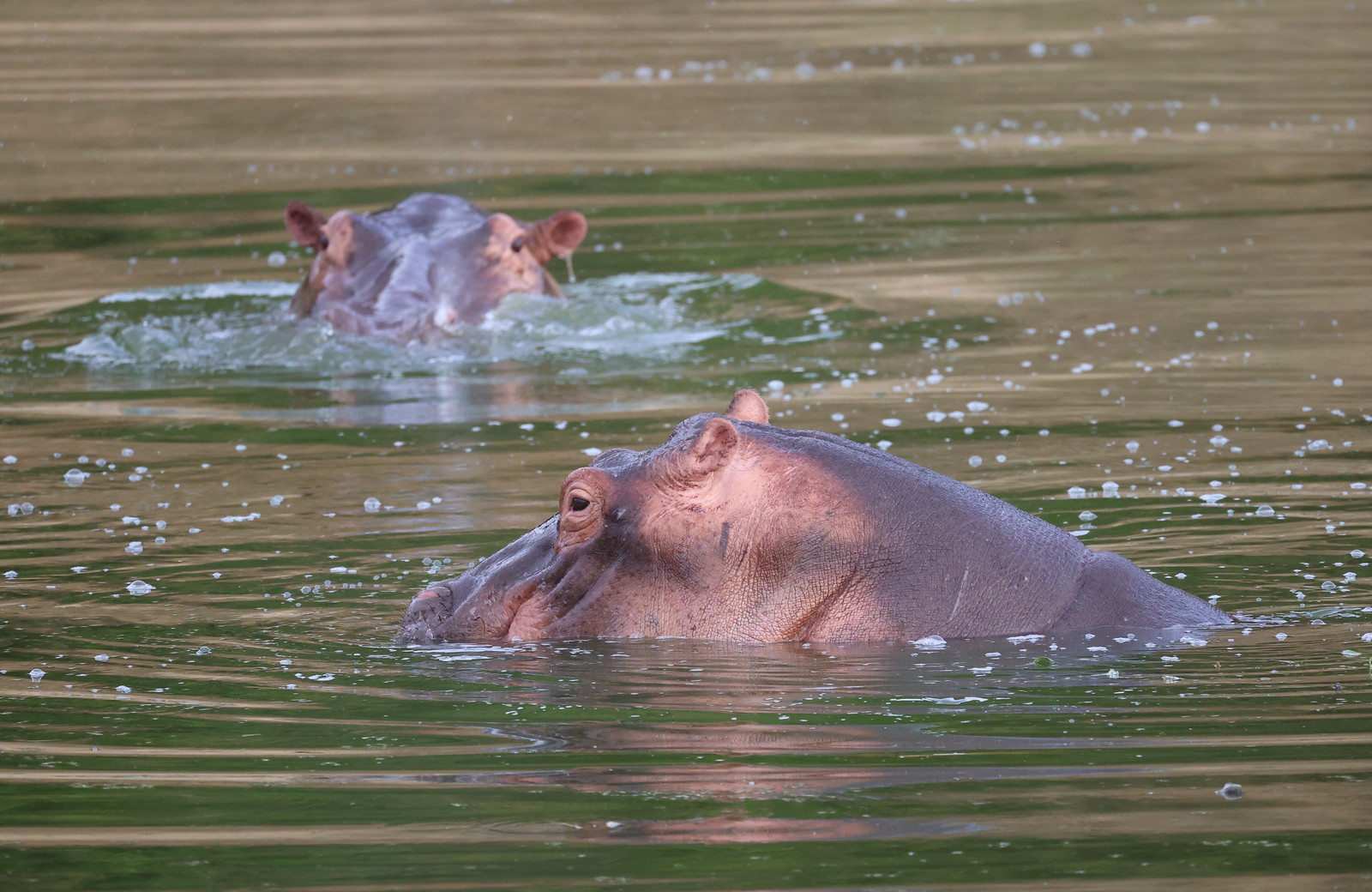
Hippos so close I could count the wrinkles on their snouts
-
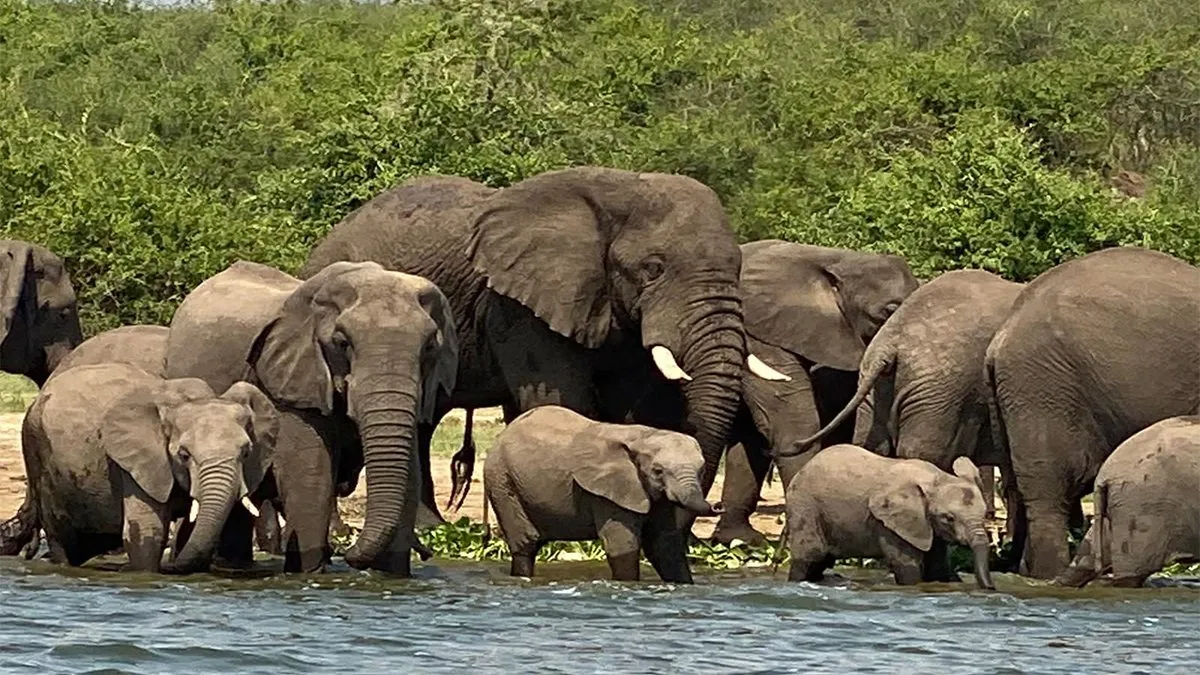
A herd of elephants drinking right at the water’s edge
-
Crocodiles lying completely still, looking like weird logs
-
More bird species than I’ve seen in my entire life combined
The late afternoon cruise is the one to book. The light turns everything soft and gold. And the animals are most active as the heat fades.
Seriously. Don’t skip this.
The Tree-Climbing Lions (Yes, They’re Real)
I’ll be honest – when I first heard about lions climbing trees, I thought it was a gimmick. Something guides said to sound exciting.
Then I saw one.
A fully grown lioness, sprawled across a giant fig tree branch like an overfed house cat. One paw hanging down. Completely relaxed.
No one fully agrees why they do it. Maybe to escape the heat. to get a better view of prey. Maybe just because they can.
Whatever the reason, it’s surreal.
The Ishasha sector is where you find them. But here’s the thing – they’re not on every tree, every day. You need patience. And a guide who knows where the prides have been hanging out.
Morning is best. Before the heat drives them deeper into the branches where you can barely see them.
What Nobody Tells You About the Game Drives
The Kasenyi Plains are where you go for the classic savanna experience.
But here’s what caught me off guard.
You might drive for an hour seeing nothing but kob (those graceful antelope things). And then suddenly – out of nowhere – a lion appears, walking right alongside the road like they own the place.
Which they do, technically.
We watched a hunt once. Or rather, we watched the setup of a hunt. A lioness crouched low in the grass, eyes locked on a kob maybe fifty meters away. The guide killed the engine. Complete silence.
She never pounced. Something spooked the kob at the last second.
But sitting there, in that perfect quiet, waiting? That felt more real than any nature documentary I’ve ever seen.
Practical tip: Go on at least two game drives – one early morning, one late afternoon. The middle of the day is hot and animals are sleeping. You’ll see almost nothing.
The Chimps of Kyambura Gorge
Most people go to Kibale Forest for chimpanzees.
And Kibale is amazing.
But Kyambura Gorge is different. It’s a sunken forest – you literally walk down into a steep, green canyon. The temperature drops. The sounds change. It feels like entering another world.
The chimp trekking here is less crowded than Kibale. Fewer tourists. More intimate.
But I have to be honest with you – it’s not guaranteed. The chimps move fast, and the gorge is thick with vegetation. We heard them long before we saw them. Those pant-hoots echoing off the gorge walls? Spine-tingling.
If seeing chimps is your absolute top priority, go to Kibale.
If you want adventure and don’t mind working for it, Kyambura is special.
Where to Stay (For Every Budget)
Splurge: Mweya Safari Lodge. It sits right on the peninsula overlooking the Kazinga Channel. At sunset, hippos graze on the lawn. No joke. I had a gin and tonic watching them.
Mid-range: Buffalo Safari Lodge. Cozy cottages, solid food, and a watering hole where elephants come to drink. You can watch from the deck while eating dinner.
Budget: Pumba Safari Cottages. Run by a local family. Clean, simple, warm. About $40 a night. The hospitality alone is worth it.
Unique: Ishasha Wilderness Camp. Tented camp in the middle of lion territory. At night, you hear everything – hyenas whooping, branches snapping, who knows what else. Bring earplugs if you’re a light sleeper.
When to Go (So You Don’t Cry in the Mud)
Dry season. June to September, or December to February.
I went in November once – the “short rains.” The park was incredibly green and almost empty of tourists. Beautiful.
But I also got stuck in red mud for over an hour. A friendly ranger truck had to pull us out. My guide was embarrassed. I was just relieved we didn’t have to sleep in the car.
Learn from my mistake.
If you go in wet season, bring patience and a good sense of humor.
Small Tips That Make a Big Difference
-
Bring a dust mask. Dry season roads are unbelievably dusty. You’ll look like you’ve been mining coal after an hour.
-
Binoculars aren’t optional. The leopard in the tree? You won’t see it without them. I tried. Failed.
-
Your guide matters more than your car. A bad guide stares at the road. A great one spots a bird from 200 meters and tells you its name, what it eats, and where it sleeps. Ask for recommendations before booking.
-
Don’t forget insect repellent. Tsetse flies are real. They bite through thin clothes. I have a scar on my ankle to prove it.
-
Stay at least two nights. One night is a tease. Two gives you a boat cruise plus two game drives. Three lets you add chimp trekking or the Ishasha lions.
The Honest One
No safari is perfect.
You might drive for hours and miss the lions. The rain might cancel your boat cruise. Your camera battery might die right when an elephant walks past.
That happened to me. The battery thing. I was furious at myself.
But here’s what I remember more than any photo.
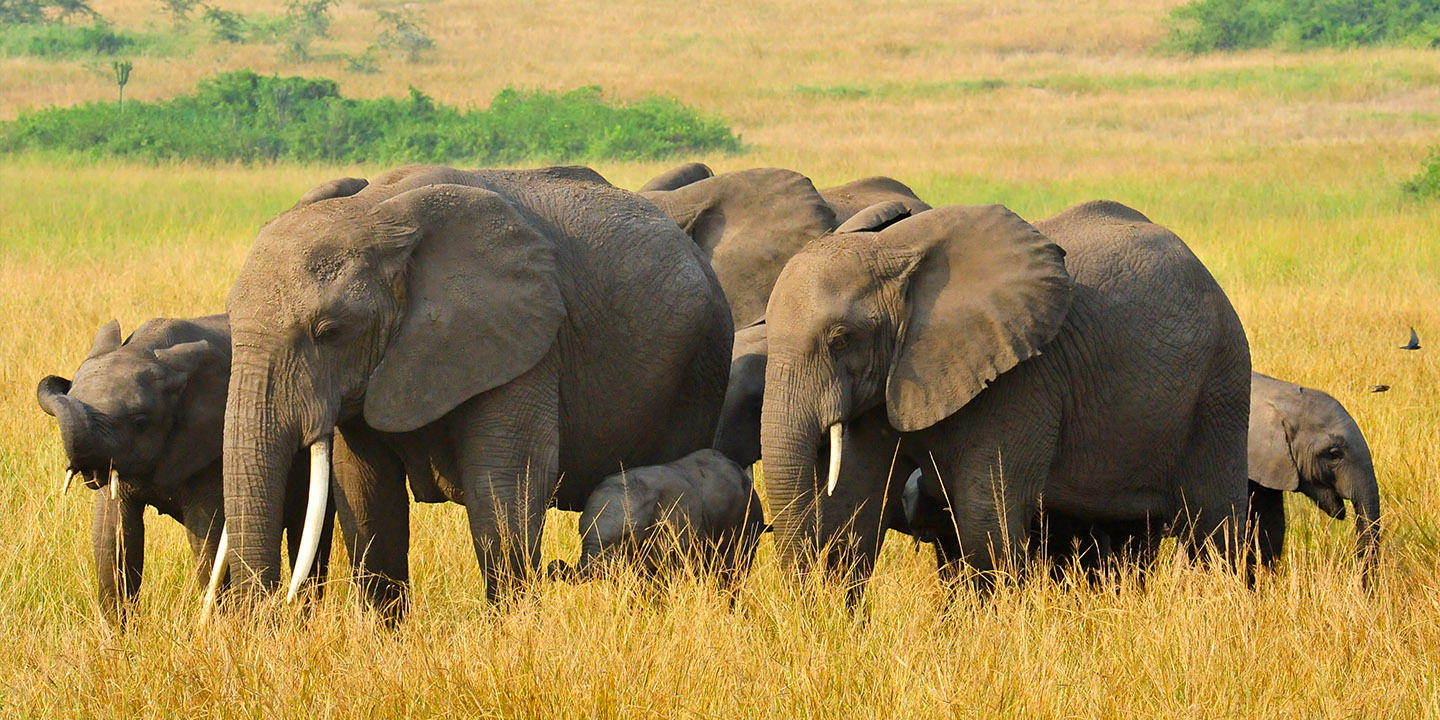
Sitting in the open roof of the safari vehicle. The sun setting behind the Rwenzoris. A herd of elephants walking across the plains below us, so quiet you could only hear the soft thud of their feet.
No picture would have captured that feeling anyway.
Queen Elizabeth National Park isn’t the most famous safari destination in Africa. It’s not the Serengeti. It’s not the Maasai Mara.
But that’s kind of the point.
You’re not fighting crowds and following twenty other vehicles. You’re just… there. In the middle of it. Watching elephants and hippos and lions go about their day, mostly ignoring you.
That feeling?
That’s why you go.