Rwanda Gorilla Trek for Beginners: Everything First-Timers Need to Know
The first time I booked a gorilla trek, I was terrified.
Not of the gorillas. Of everything else.
What if I wasn’t fit enough? What if the altitude made me sick? What if I couldn’t keep up with the group? What if I spent all that money and didn’t even see them? What if I did something wrong and upset the silverback?
I spent weeks worrying about things that never happened.
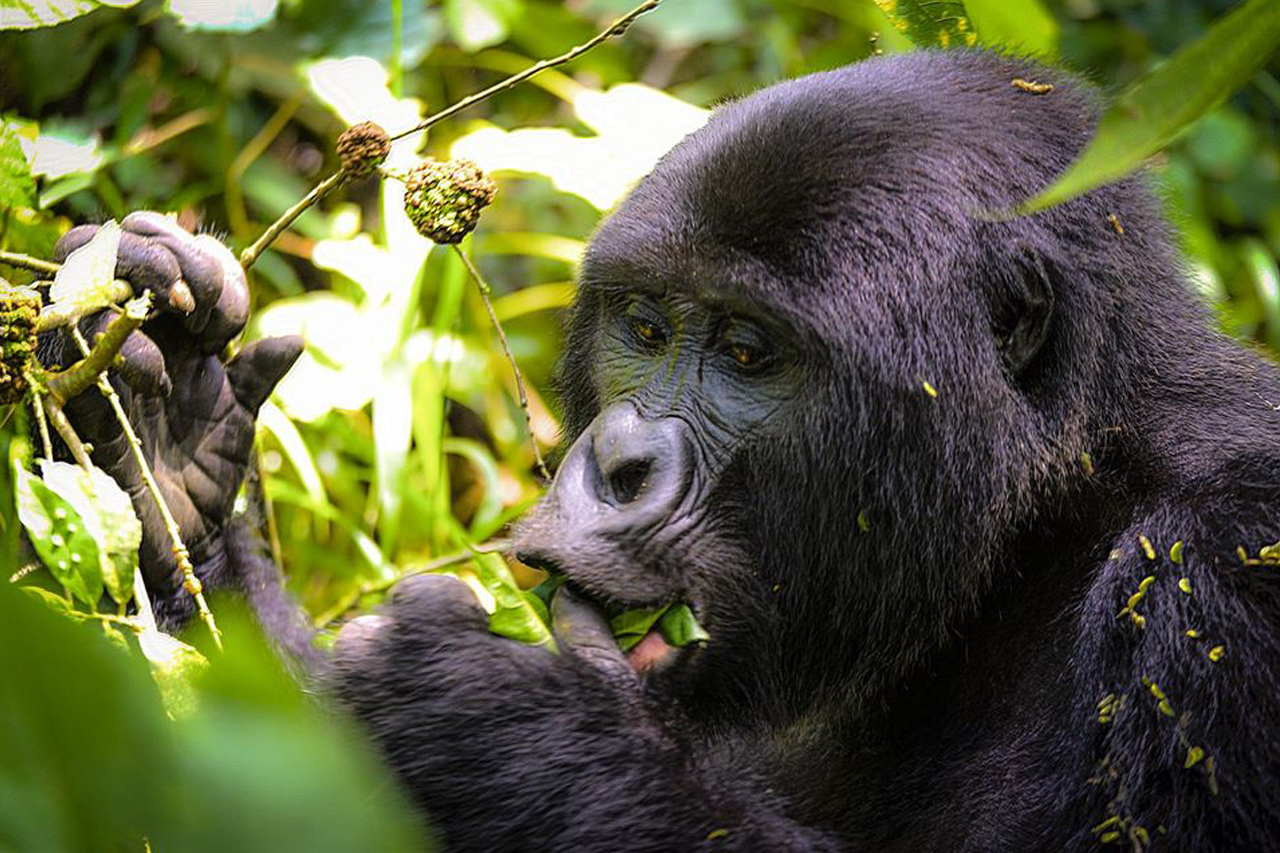
The trek was challenging, but I managed. The altitude was real, but I survived. And when I finally sat in the forest, watching a silverback eat bamboo with his family around him, I realized that all my worrying had been pointless.
Gorilla trekking is life-changing. It’s also simpler than most people think.
Here’s everything you need to know before you go.
Understanding the Gorilla Permit
The gorilla permit is your ticket to the forest. In Rwanda, it costs $1,500 per person. That sounds like a lot—it is a lot—but the money goes directly to conservation. It funds anti-poaching patrols, veterinary care, and community development projects.
The permit gives you one hour with the gorillas. Just one hour. But that hour is the most valuable hour of your trip.
Permits must be booked in advance. Peak season—June to October and December to February—fills up months ahead. If you’re traveling during those months, book at least three to six months in advance. For green season, you can often book closer to the date, but don’t wait too long.
There’s also a permit for golden monkey trekking, which costs around $100. It’s a different experience, but it’s a great add-on if you have the time.
Fitness and Preparation
Gorilla trekking requires a reasonable level of fitness. The hikes can be one to four hours each way, depending on where the gorillas are. The terrain is steep and muddy, and the altitude is high—around 7,000 to 8,000 feet.
If you’re not fit, don’t panic. You can always hire a porter to carry your daypack and help you up the steep sections. The porters are local men and women who know the terrain well, and they’re worth every penny.
I’ve seen people of all ages and fitness levels complete the trek. The key is pacing yourself and listening to your guide.
The altitude is the real challenge. At 7,000 feet, the air is thinner, and you’ll feel it. Drink plenty of water. Walk slowly. Take breaks when you need them.
What to Wear
The forest is wet, muddy, and often cold. You need to dress appropriately.
Hiking boots. Broken in, waterproof, with good tread. The mud is relentless, and the terrain is slippery. The last thing you want is to fall.
Long pants and long sleeves. The vegetation is thick and full of stinging nettles. You need coverage.
Rain jacket. It will rain. Probably. The forest is wet, and the rain can come at any time.
Layers. The mornings are cold, the afternoons are warmer, and the forest is unpredictable. Layers let you adjust.
Hat and sunglasses. The sun can be intense at high altitude.
Gaiters. They keep mud out of your boots and protect your ankles.
Gardening gloves. The vegetation is rough. Gardening gloves protect your hands.
What to Bring
-
Binoculars. Essential for spotting animals at a distance.
-
Camera. You’ll want to capture the experience. Bring extra batteries—the cold drains them quickly.
-
Water. Stay hydrated. The lodge will provide a water bottle.
-
Snacks. The hike can be long, and you’ll need energy.
-
Trekking poles. They make the descent easier.
What to Pack
Pack light. You’ll be moving between lodges, and you don’t want to be hauling heavy bags.
-
Soft-sided luggage. It’s easier to fit in the vehicle.
-
A daypack. For carrying water, snacks, camera, and extra layers.
-
Medications. Bring everything you need, and bring extra.
-
A portable charger. For your phone and camera.
-
A headlamp. For early mornings and evenings at the lodge.
The Day Before
The day before your trek, you’ll have a briefing at the park headquarters. This is where you’ll meet your guide, get assigned to a gorilla family, and receive instructions.
The briefing is thorough. The guide will explain the rules, the trek, and what to expect. They’ll also check your fitness level and answer any questions.
Most people choose to stay near the park headquarters in Musanze or Ruhengeri, where there are plenty of lodges and hotels.
The evening before the trek, relax. Eat a good meal. Get plenty of sleep. You’ll need the energy.
The Morning of the Trek
Wake up early—usually around 5:00 AM. Have a quick breakfast, then drive to the park headquarters.
The drive from Musanze to the park headquarters takes about thirty minutes. The roads are bumpy but manageable.
At the headquarters, you’ll be assigned to a group and a gorilla family. There are several habituated families in Volcanoes National Park, and each has a different personality.
You’ll then drive to the trailhead and start the hike.
The Trek
The trek can last from one to four hours each way. The terrain is steep, muddy, and challenging. The guide and trackers will lead you through the forest.
The trackers go into the forest before dawn to find the gorillas. They’ll radio the guide when they’ve located the family. The trackers will then lead you to the gorillas.
The hike is demanding, but it’s also beautiful. The bamboo forests are stunning, the views are spectacular, and the mist adds an air of mystery.
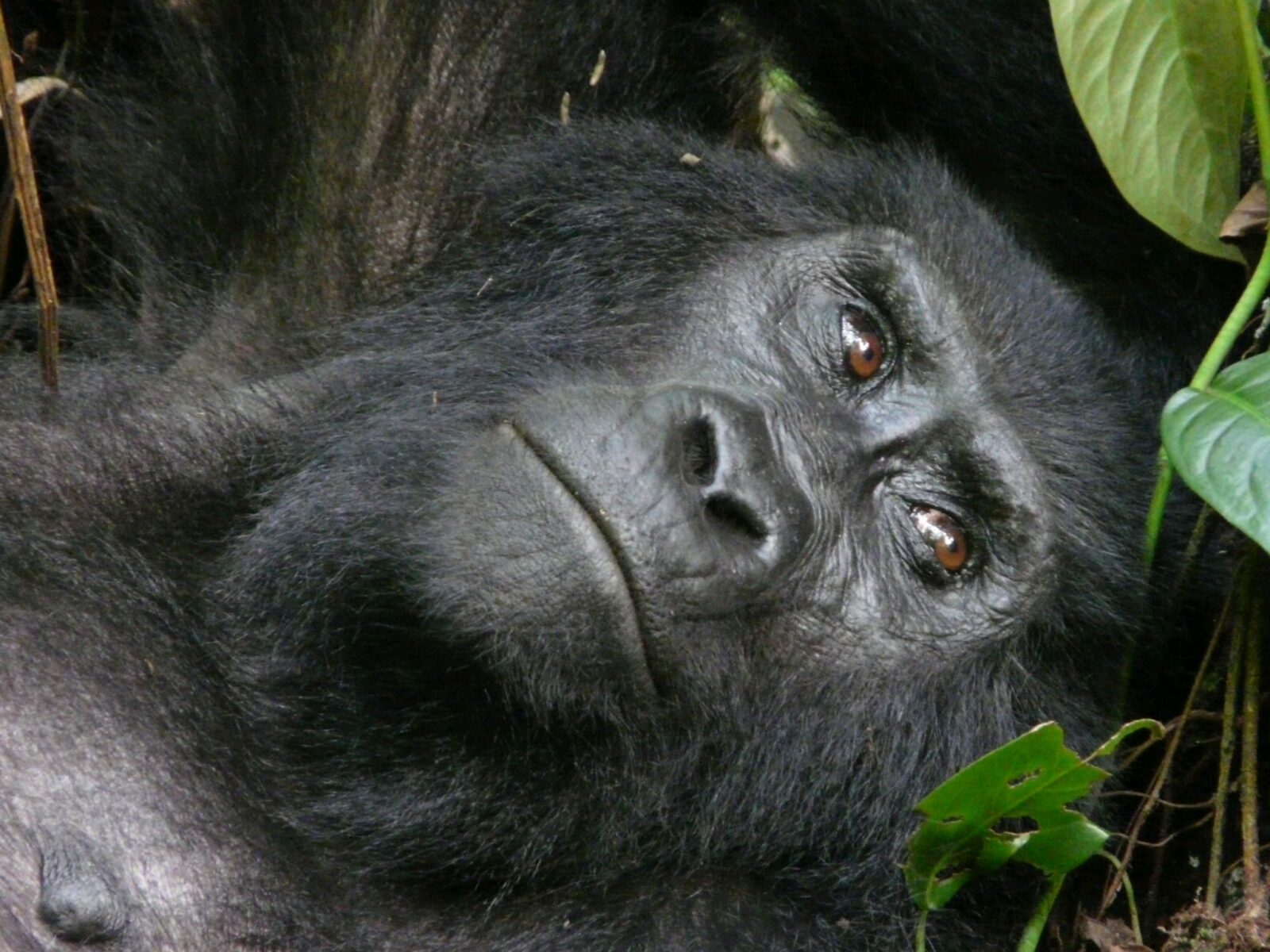
When you find the gorillas, you’ll have one hour with them. Just one hour. Use it wisely. Watch, photograph, and absorb the experience.
Rwanda Gorilla
One Hour with Gorillas
The hour will fly by. I can’t stress this enough. It feels like five minutes. Soak in every detail.
-
Watch the silverback. He’s the leader. Watch his interactions with his family.
-
Watch the babies. They’re playful and curious. They tumbled through the vegetation, climbed on their mothers, and stared at us with equal curiosity.
-
Watch the mothers. They groom their babies, carry them, and keep them close. The bond between a mother and baby is extraordinary.
-
Watch the dynamics. Gorillas are social animals, and there’s always something interesting happening.
And remember—the gorillas are wild. Follow the guide’s instructions. Keep your distance. Stay quiet. Be respectful.
After the Trek
After the trek, you’ll hike back to the trailhead. You’ll be tired, muddy, and exhilarated.
Return to your lodge. Take a long shower. Have a good meal. Rest.
And then, when you’re ready, relive the experience. Write in your journal. Share photos with friends. Book your next trip.
Practical Details
The cost. In Rwanda, a gorilla permit costs $1,500. This includes the trek, the guide, and the rangers. It does not include accommodation, transport, or tips.
The altitude. Volcanoes National Park is at high altitude—around 7,000 to 8,000 feet. The air is thinner, and you’ll feel it. Drink water, walk slowly, and listen to your body.
The weather. The forest is wet and unpredictable. Bring layers and a rain jacket.
The food. The lodges serve excellent food. It’s usually buffet-style, with lots of local ingredients. It’s designed to fuel you up for the trek.
The guides. The guides are professionals. They know the forest, the gorillas, and the rules. Trust them.
The porters. Porters are available for hire. They carry your daypack and help you up the steep sections. They’re worth every penny.
When to Go
The best time for gorilla trekking is during the dry season—June to September and December to February. The trails are firmer, the vegetation is thinner, and the weather is more predictable.
That said, the green season—March to May and October to November—has its own charm. Fewer tourists, lower prices, and lush, beautiful landscapes. The trails are muddier and more challenging, but it’s still a rewarding experience.
Thought
Gorilla trekking is life-changing.
It’s not just about seeing the gorillas. It’s about the hike through the forest. The mist, the bamboo, the sounds. The moment you see the silverback. The hour you spend with his family.
It’s about the connection. Standing in the forest, surrounded by gorillas, feeling like you’ve stepped into a sacred space. It’s about the realization that these animals are our cousins, and that we share this planet with them.
It’s about the effort. The mud, the sweat, the tears. And the triumph of making it to the gorillas and back.
If you’re considering a gorilla trek, don’t wait. Book the permit. Pack your bags. Go.
You won’t regret it.