
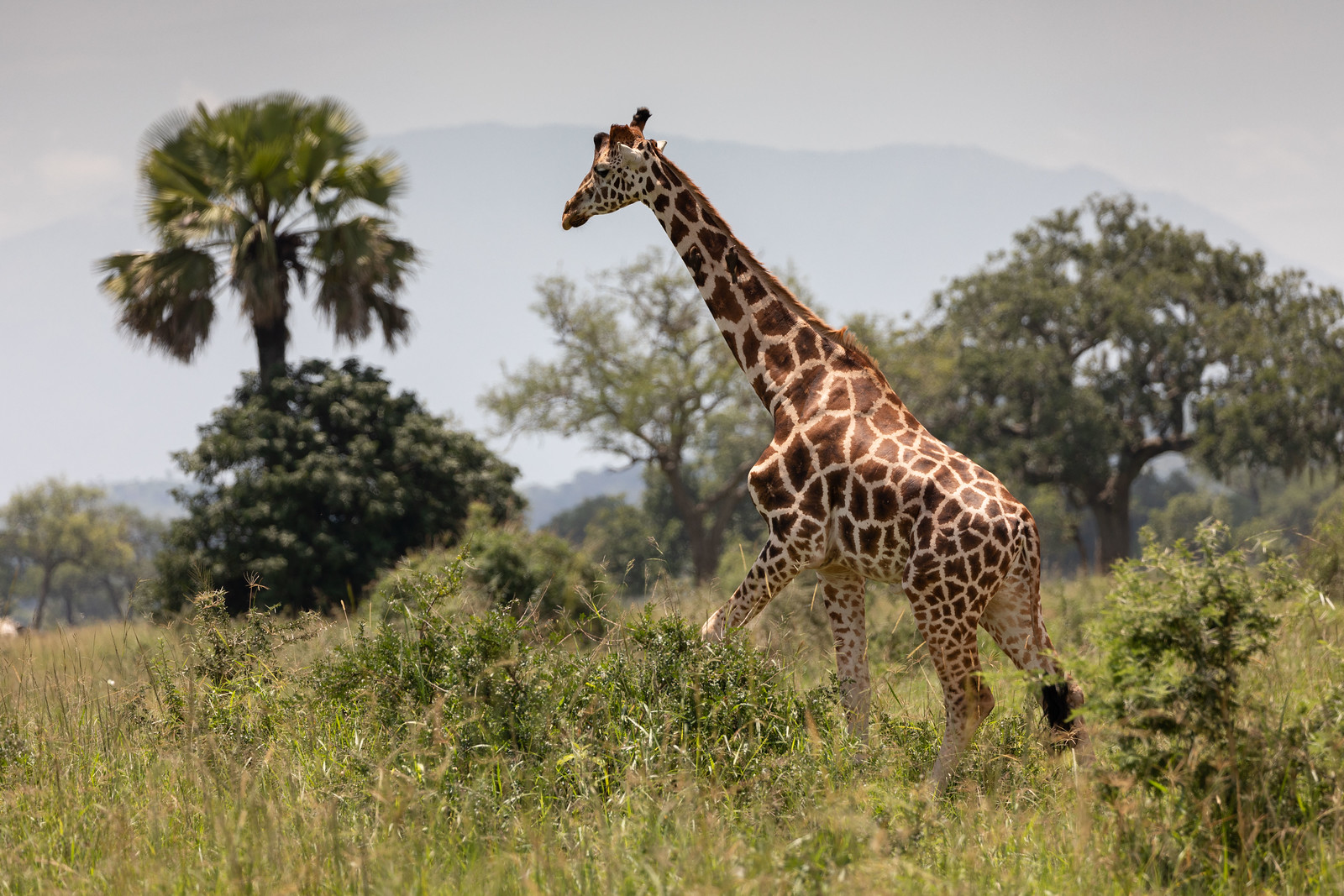
Wildlife of Kidepo Valley: Cheetahs, Ostriches & Animals You Won’t Find Elsewhere
Most Uganda safari itineraries revolve around the same core species list, gorillas, chimpanzees, lions, elephants, hippos, a genuinely impressive roster but one that can start to feel somewhat familiar after visiting Bwindi, Queen Elizabeth, and Murchison Falls in relatively quick succession. Kidepo Valley National Park breaks this pattern entirely, hosting roughly 28 mammal species found nowhere else in Uganda’s protected area network, a genuinely distinctive wildlife community that fully rewards the considerable, genuine effort required to actually reach this remote northeastern corner of the country. Genuinely understanding exactly what makes Kidepo’s animal population so different from the rest of Uganda’s parks helps explain why serious wildlife enthusiasts increasingly treat this destination as a genuine priority rather than simply an optional extra reserved only for travelers with genuinely unlimited time.
Cheetahs: A Species Found Nowhere Else in Uganda
Kidepo genuinely stands as Uganda’s only reliable, consistent location for cheetah sightings, a species entirely absent from the country’s other major parks and present here specifically because of Kidepo’s open, semi-arid savanna terrain, precisely the kind of habitat cheetahs depend on for their distinctive high-speed hunting strategy. This exclusivity makes a Kidepo cheetah sighting genuinely significant for travelers who have already visited Uganda’s other parks and assumed they had seen the country’s full range of large cats. Our page on whether there are cheetahs in Uganda covers this specific species in considerably more depth, useful background for travelers specifically prioritizing a cheetah encounter during their Kidepo visit.
The Only Wild Ostriches in Uganda
Kidepo hosts Uganda’s only wild ostrich population, the common ostrich, the largest living bird on Earth, found in no other Ugandan national park despite the species’ broader presence across East Africa’s drier savanna regions. This single fact alone genuinely makes Kidepo a must-visit destination for dedicated birders actively working through a comprehensive East African species list, since no amount of time spent in Uganda’s other parks will produce an ostrich sighting the way even a modest Kidepo game drive routinely does. Spotting these genuinely enormous, unmistakable birds moving steadily across the park’s open grassland adds a distinctly different visual element to game drives otherwise focused on more conventional savanna mammals.
Eland, Kudu, and the Park’s Other Exclusive Antelope
Beyond cheetahs and ostriches, Kidepo hosts several antelope species found either nowhere else or almost nowhere else in Uganda. The greater eland, Africa’s largest antelope species, occurs in Uganda only within Kidepo and, in smaller numbers, at Lake Mburo National Park in the country’s southwest, making a genuine Kidepo eland sighting significant for travelers who have not also specifically visited Lake Mburo elsewhere in the country. Greater and lesser kudu, both striking, spiral-horned antelope species, similarly appear here in numbers unmatched elsewhere in the country, giving Kidepo a genuinely distinctive antelope community compared to the kob-and-waterbuck-dominated populations typical of Uganda’s other savanna parks. Spotting a greater kudu bull, with its dramatically spiraled horns reaching well over a meter in length, ranks among the more visually striking wildlife encounters available anywhere in Uganda, and Kidepo remains one of the very few realistic places in the country to actually witness this specific sighting rather than reading about the species purely in a field guide.
Predators and Smaller Carnivores Unique to the Region
Kidepo’s predator community extends well beyond cheetahs to include several species genuinely rare or entirely absent elsewhere in Uganda. Caracal, a genuinely striking, medium-sized wild cat with distinctive tufted ears, and the striped hyaena, a genuinely different, distinct species from the far more commonly encountered spotted hyaena found across Uganda’s other parks, both call Kidepo home specifically because of the park’s semi-arid habitat type. The bat-eared fox, a smaller, genuinely distinctive carnivore recognizable by its oversized ears and largely insectivorous diet, rounds out Kidepo’s roster of species associated specifically with drier, more open savanna environments than Uganda’s other parks typically offer. The aardwolf, a further insect-specialist relative of the hyaena family, occasionally appears here too, though its genuinely nocturnal, secretive habits mean most sightings depend heavily on a dedicated night drive rather than the standard daytime game viewing most Kidepo itineraries are built around.
Why Kidepo’s Habitat Produces Such Different Wildlife
Kidepo’s distinctive species list traces directly back to its genuinely different ecological character compared to the rest of Uganda. Sitting directly in the country’s semi-arid northeastern corner, bordering both South Sudan and Kenya simultaneously, Kidepo’s climate and vegetation more closely resemble the drier savanna ecosystems typical of East Africa’s classic safari destinations, Kenya’s northern reaches and parts of Tanzania, than the wetter, more forested landscape dominating much of southern and western Uganda. This ecological difference is precisely why species adapted to drier, more open terrain, cheetahs, ostriches, eland, caracal, thrive here in a way they simply cannot within Uganda’s more typical rainforest and moist savanna habitats. The Narus and Kidepo valleys themselves, the park’s two central drainage systems, concentrate water and grazing during the dry months in a way that draws wildlife into genuinely predictable, visible areas, giving game drives here a rewarding density despite the park’s overall vast, sparsely populated scale. Rangers and trackers familiar with these seasonal movement patterns can often anticipate roughly where specific herds or predators are likely to be found on a given day, knowledge built from years of daily observation across a landscape that, to an untrained eye, might otherwise appear too vast and open to predict with any real confidence.
Guenther’s Dik-Dik and the Park’s Smaller Specialists
Beyond the park’s larger, more headline-grabbing species, Kidepo hosts Guenther’s dik-dik, a genuinely tiny antelope species found in only a few other Ugandan locations, along with mountain reedbuck favoring the park’s rockier, hillier terrain rather than the open valley floors most larger herbivores prefer. These smaller specialists rarely feature in Kidepo’s marketing the way cheetahs and ostriches do, but they round out a genuinely comprehensive wildlife community that rewards visitors willing to look beyond the park’s most obvious headline attractions during a well-paced, unhurried game drive.
The Big Four and Kidepo’s Predator Density
Kidepo genuinely hosts four of Africa’s traditional Big Five species, lions, elephants, buffalo, and leopard, missing only rhino, since Uganda’s own rhino population exists solely at the dedicated Ziwa Rhino Sanctuary rather than within any national park. Buffalo herds gather in genuinely substantial seasonal congregations within the Narus Valley specifically, one of Kidepo’s most productive game-viewing areas, drawing predators in turn and producing some of Uganda’s most consistently rewarding lion sightings outside the more famous tree-climbing lions of Queen Elizabeth’s Ishasha sector. This predator density, combined with the park’s genuinely exclusive species roster, is part of why experienced Uganda safari guides consistently rank Kidepo among the country’s most rewarding wildlife destinations despite, or perhaps partly because of, how few visitors make the journey compared to Uganda’s more accessible parks. This lower visitor volume means predator sightings, when they happen, often unfold with a genuine sense of privacy and space rarely available in busier parks elsewhere, a small group of vehicles at most sharing a single sighting rather than the larger convoys that can sometimes gather around a notable predator encounter in more heavily visited destinations.
Birding Beyond the Ostrich
Kidepo’s bird list runs to roughly 475 species, second only to Queen Elizabeth’s considerably higher count among Uganda’s parks, but including a genuinely distinctive selection of dry-country specialists found in few other locations countrywide. Rose-ringed parakeets, Clapperton’s francolin, and the Karamoja apalis, a species essentially endemic to this specific region, join the ostrich as reasons dedicated birders increasingly treat Kidepo as a genuine priority destination rather than a secondary add-on to a more conventional Uganda itinerary built around the country’s southern parks. Serious listers working through East Africa’s full regional checklist often find Kidepo delivers a meaningful number of species unavailable anywhere else on a standard Uganda circuit, making the park’s inclusion genuinely difficult to skip for anyone treating birding as a primary rather than incidental trip focus.
Planning a Trip Around Kidepo’s Distinctive Wildlife
Our broader page on activities and things to do in Kidepo Valley National Park covers the full range of experiences worth building into a trip focused on this genuinely distinctive wildlife community. Our page on getting to Kidepo Valley covers the transport logistics worth understanding before committing to a trip built specifically around encountering species unavailable anywhere else in the country. Kidepo Valley’s wildlife, cheetahs, ostriches, eland, kudu, and a genuinely distinctive and varied predator community, represents one of Uganda’s single most compelling arguments for venturing beyond the country’s more established southern circuit, a reward considerable enough to justify the journey for travelers with a genuine interest in seeing the full breadth of what Uganda’s ecosystems actually contain. Travelers who have already completed the standard southern circuit, gorillas at Bwindi, big game at Queen Elizabeth, the Nile at Murchison Falls, and are wondering what Uganda might still have left to offer, generally find Kidepo answers that question more convincingly than any other single addition to an established itinerary could.