
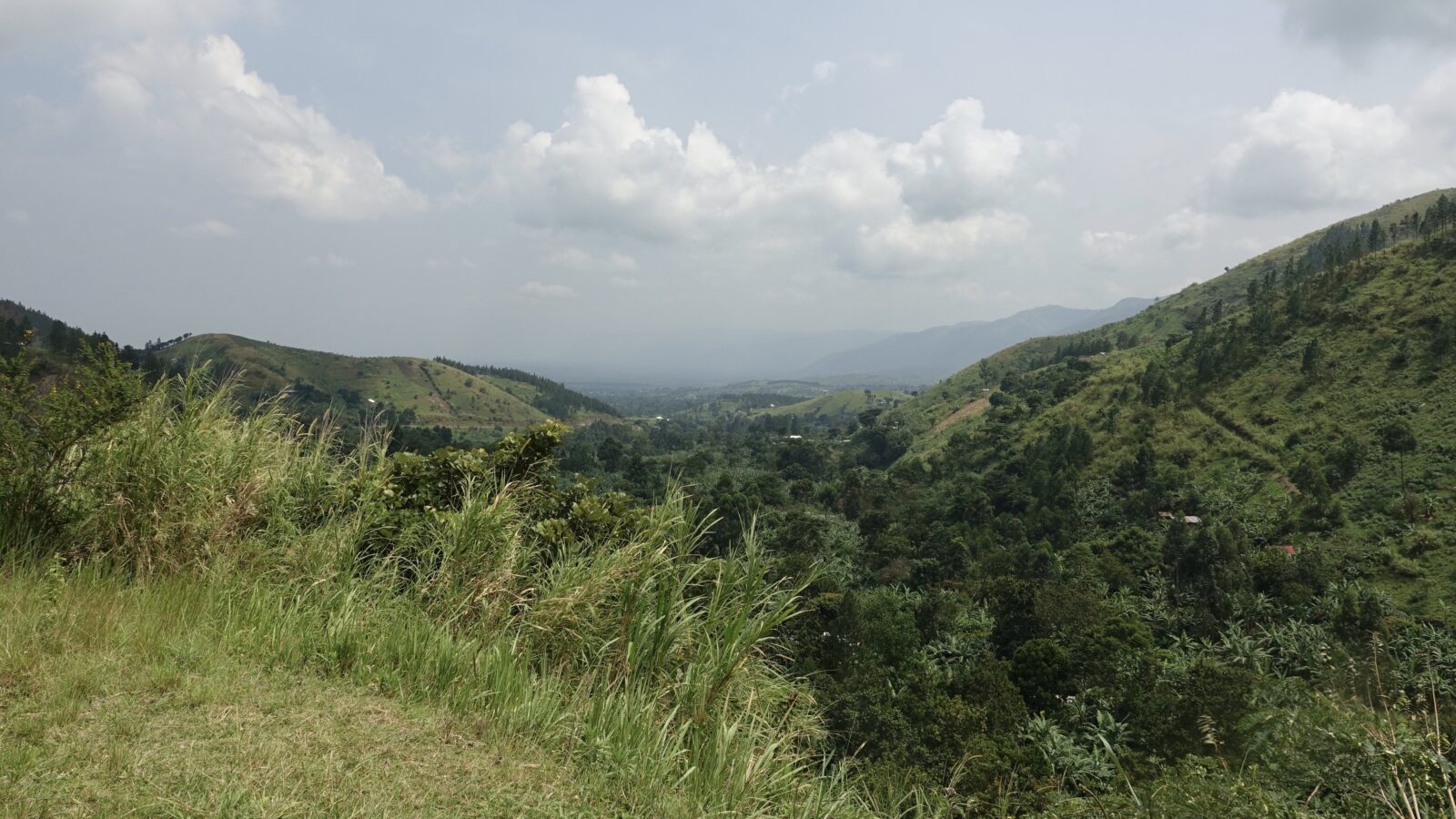
Semuliki National Park: Uganda’s Most Biodiverse and Underrated Destination
Tucked into a genuinely remote corner of western Uganda, hard against the border with the Democratic Republic of Congo, Semuliki National Park receives a fraction of the visitors that flock to Uganda’s headline parks each year, despite housing one of the richest concentrations of biodiversity anywhere in the country. This is the eastern edge of the vast Congo Basin rainforest, an ecosystem far more commonly associated with Central Africa than with East Africa’s savannah-dominated safari circuit, and Semuliki’s distinction as genuinely Congolese forest on Ugandan soil is precisely what makes it so scientifically and ecologically significant.
Why Semuliki Is So Biologically Rich
Semuliki protects the far eastern extension of the vast Ituri Forest system, part of the broader Congo Basin, and this connection means the park hosts species found nowhere else in Uganda, many of them sitting at the absolute eastern limit of their entire geographic range. The park’s plant life alone runs to over three hundred tree species, a genuinely staggering figure for a protected area of Semuliki’s size, reflecting the sheer density and layered complexity of true Congo Basin lowland rainforest.
That botanical richness supports an equally impressive animal community. Semuliki is home to well over a hundred mammal species, including forest elephants, chimpanzees, and a range of other primates, alongside forest antelopes moving quietly through the dense understory and hippos and crocodiles along the Semuliki River that gives the park its name.
A Birding Destination Without Rival in Uganda
For dedicated birders specifically, Semuliki holds a reputation that genuinely borders on legendary within East African birding circles. The park has recorded well over four hundred species, including thirty-five Guinea-Congo forest biome species found almost nowhere else in Uganda, several rare raptors, and a dozen species with such restricted global ranges that Semuliki represents one of only a handful of places on Earth to reliably encounter them. This dense concentration of range-restricted and biome-specific species is exactly what draws serious birders to Semuliki specifically, often as a dedicated addition to a broader Uganda itinerary rather than a casual stop.
Butterflies, Moths, and the Smaller Details
Beyond birds and mammals, Semuliki’s insect diversity adds another dimension to its ecological significance, with more than three hundred recorded butterfly species and well over two hundred moth species documented within the park. For visitors with any interest in entomology, or simply an appreciation for the sheer density of life packed into this relatively compact protected area, Semuliki rewards slow, attentive walking through its forest trails in a way that faster-paced savannah game drives elsewhere in Uganda rarely allow.
The Sempaya Hot Springs
Semuliki’s best-known single attraction is the Sempaya Hot Springs, a pair of dramatically different geothermal features reached via a walking trail from the park’s main entrance area. The female spring, known locally as Nyansimbi, ejects a striking jet of scalding water and steam that can shoot more than two metres into the air, with vent temperatures consistently measured above the boiling point. The male spring, called Bintente, sits roughly half a kilometre away in a swampy depression and, counterintuitively given the naming, produces even hotter water than its female counterpart, with recorded temperatures exceeding 103 degrees Celsius during peak heating periods.
Local guides typically share the cultural stories and traditional beliefs associated with both springs as part of the walking visit, adding a layer of human and cultural context to what is already one of Uganda’s more visually striking and photogenic natural phenomena, one that rarely fails to impress even travellers who have already seen a great deal of East Africa’s natural attractions.
An Underrated Destination by Almost Any Measure
Given the sheer density of unique species, the dramatic hot springs, and a genuinely different ecosystem from anything else on Uganda’s standard safari circuit, Semuliki’s relatively low visitor numbers are somewhat puzzling on paper, though largely explained by its remote location and the specialised appeal of true rainforest and Congo Basin birding compared to the broader draw of gorillas and savannah wildlife. For travellers who have already covered Uganda’s more famous parks, or who arrive with specific interests in birding, primates, or rainforest ecology, Semuliki offers a genuinely different experience within the same country, one that rewards the extra effort required to reach it.
Getting There and Planning a Visit
Semuliki sits in Uganda’s far west, generally reached via Fort Portal, itself a common base for visitors also exploring the Rwenzori Mountains or Kibale’s chimpanzee tracking. This convenient regional clustering makes Semuliki a genuinely natural addition for travellers already planning time in western Uganda, rather than a destination requiring an entirely separate trip. Guided walks remain the standard, recommended way to explore the park’s forest trails and reach the Sempaya Hot Springs, with local guides providing both navigation and the specialist knowledge needed to spot the park’s more elusive bird and mammal species.
A Genuine Rainforest Experience Within Uganda’s Borders
Uganda markets itself heavily around gorilla trekking and savannah safaris, and rightly so given how exceptional both experiences are, but Semuliki offers something those better-known destinations simply cannot: a direct, accessible encounter with genuine Congo Basin lowland rainforest and the extraordinary concentration of specialised, range-restricted species that come with it. For travellers exploring Semuliki Valley and its surrounding attractions, the park delivers a genuinely distinct chapter within a Uganda itinerary, rewarding those willing to venture to one of the country’s more remote and least visited corners.
The Primates of Semuliki
Semuliki’s primate community reflects its Congo Basin character just as strongly as its bird and plant life, with several species present that are difficult or impossible to find elsewhere in Uganda. Chimpanzees move through the forest canopy alongside a range of monkey species adapted to this particular lowland rainforest environment, and while primate tracking here is generally less structured and less guaranteed than the well-established chimpanzee tracking experience in Kibale Forest, sightings within Semuliki carry an added sense of genuine wilderness discovery precisely because the park receives so few visitors compared to Uganda’s more established primate destinations.
Forest antelope species, generally shy and difficult to observe in dense rainforest conditions, round out Semuliki’s mammal community alongside its more visible residents. Patient, quiet, slow walking with a genuinely experienced local guide remains by far the best strategy for spotting these smaller, more elusive forest mammals, a genuinely different approach from the vehicle-based game viewing that defines most of Uganda’s savannah parks.
The Batwa and Local Communities
Communities living around Semuliki, including Batwa populations with deep historical ties to Central African forest environments, maintain cultural and practical knowledge of the forest that predates the park’s formal protected status by generations. Some visits to the area include opportunities to engage with these communities, offering insight into traditional forest-based ways of life that have adapted alongside, rather than been entirely displaced by, the park’s conservation framework. This cultural dimension adds meaningful depth to a Semuliki visit beyond its purely ecological significance, connecting the landscape’s biological richness to the human history bound up with it.
The Semuliki River Itself
The Semuliki River, which gives the park its name, forms part of the border with the Democratic Republic of Congo and feeds into Lake Albert further north, part of the broader Nile system’s upper watershed. Hippos and crocodiles inhabit its waters year-round, and the river corridor supports its own genuinely distinct band of wildlife activity, quite different from the deeper forest interior, adding yet another habitat type to a park already remarkably notable for packing several genuinely different ecosystems into one relatively compact protected area.
Best Time to Visit
Semuliki’s rainforest climate means rainfall is a near-constant possibility throughout the year, considerably more so than Uganda’s savannah parks, and visitors should come prepared for wet trail conditions regardless of season. That said, the drier windows that broadly align with Uganda’s dry seasons elsewhere in the country tend to offer somewhat more comfortable walking conditions and marginally easier birding visibility through the forest canopy, though serious birders and wildlife enthusiasts generally find the park rewarding across a wide span of the calendar year given how consistently active its ecosystem remains regardless of rainfall patterns.
Combining Semuliki With Western Uganda’s Other Highlights
Given its proximity to Fort Portal, Semuliki pairs naturally with a broader western Uganda circuit that might also include chimpanzee tracking in Kibale Forest, crater lake scenery around Fort Portal itself, or a Rwenzori Mountains trekking expedition. Travellers building an itinerary around this region can add Semuliki as a focused day trip or a short overnight extension, gaining access to a genuinely unique ecosystem without requiring a dramatically different travel route from the rest of a western Uganda itinerary already centred on this part of the country. For travellers with a genuine interest in ecology and a willingness to trade a degree of comfort and guaranteed sightings for the chance to explore one of Africa’s most biologically significant, least visited corners, Semuliki rewards that curiosity more generously than almost anywhere else in Uganda’s protected area network.