
Photography Safari Uganda: Parks, Timing & Operator Recommendations
Uganda rewards photographers with a genuinely unusual range of subject matter within a single country, misty gorilla portraits in Bwindi’s ancient forest, golden-hour savannah scenes in Murchison Falls, and intimate primate behaviour in Kibale’s rainforest canopy, all achievable within a two-week itinerary. Getting the most from a Uganda photography safari means understanding which parks suit which kind of photography, how to time visits around light and weather, and how to choose guides and operators genuinely equipped to support serious photographic work rather than treating cameras as an afterthought.
Bwindi Impenetrable Forest: Gorilla Portraiture
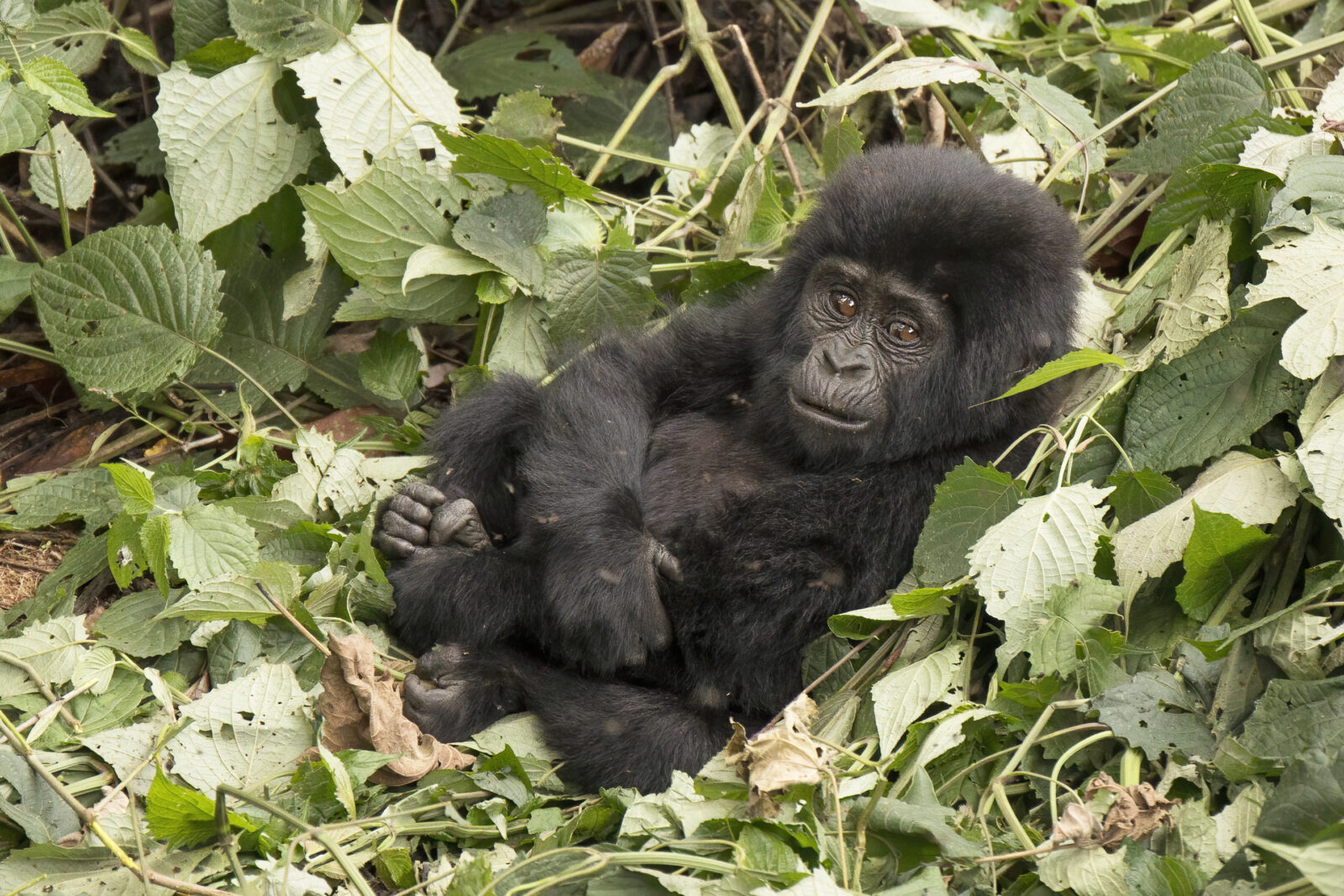
Photographing gorillas in Bwindi presents a genuinely distinct technical challenge, dense forest canopy creates low, inconsistent light, gorillas move constantly through thick vegetation, and the strict one-hour viewing window leaves little room for repositioning or waiting for better conditions. Fast prime lenses and a willingness to shoot at higher ISO settings than photographers might normally prefer both help considerably in Bwindi’s low-light forest interior, and photographers who arrive having practised shooting handheld in dim conditions tend to come away with noticeably better results than those relying purely on their usual settings.
Murchison Falls National Park: Classic Savannah and Dramatic Water
Murchison Falls offers two genuinely distinct photographic environments within a single park, open savannah supporting classic wildlife photography of elephant, giraffe, and lion, and the thunderous Nile falls themselves, where the entire river forces through a gap barely seven metres wide before crashing into the gorge below. The golden hour light across Murchison’s northern savannah, particularly during a game drive timed for early morning or late afternoon, consistently produces some of the most rewarding wildlife photography conditions found anywhere in Uganda.
Queen Elizabeth National Park: Tree-Climbing Lions and Water-Based Wildlife
Queen Elizabeth’s Ishasha sector offers a genuinely rare photographic subject in the region’s tree-climbing lions, animals that spend significant daytime hours draped across fig tree branches, a distinctive behaviour found in very few other locations worldwide. The park’s Kazinga Channel boat safaris additionally offer close, stable-platform photography of hippos, buffalo, and abundant water birds, conditions considerably more forgiving for photographers than the vehicle-based shooting required elsewhere in the park.
Kibale Forest National Park: Primate Behaviour Photography
Kibale’s chimpanzee tracking offers photographers a genuinely different kind of primate photography than gorilla trekking in Bwindi, chimpanzees move considerably faster and more unpredictably through the canopy, rewarding photographers who can react quickly and shoot at faster shutter speeds to freeze motion in the forest’s characteristically dim light. Kibale also hosts twelve other primate species, giving photographers focused on behavioural primate photography considerably more variety within a single park than most other Uganda destinations offer.
Kidepo Valley: Dramatic Light and Remote Wilderness
Kidepo’s remote location and rugged, mountain-backed savannah produce some of Uganda’s most visually dramatic photography opportunities, dust-filled golden light, distant mountain silhouettes, and considerably fewer other vehicles competing for the same sightings compared to Uganda’s more heavily visited parks. Photographers specifically seeking landscape-scale, atmospheric wildlife imagery rather than tight portrait shots often find Kidepo’s wide-open terrain and lower visitor density deliver genuinely unique results unavailable elsewhere in the country.
Essential Camera Gear for a Uganda Photography Safari
A telephoto zoom lens in the 100-400mm range covers the majority of savannah wildlife photography needs, while a wider lens, ideally something in the 24-70mm range, handles landscape scenes and environmental wildlife portraits where showing habitat context matters as much as the animal itself. For gorilla and chimpanzee trekking specifically, a fast prime or zoom capable of performing well at higher ISO settings makes a meaningful difference given the consistently low light found in Uganda’s forest interiors, and a second camera body, where budget allows, prevents having to change lenses at exactly the moment a gorilla shifts into perfect position.
Timing Your Visit Around Light and Weather
Uganda’s dry seasons, June through September and December through February, generally offer the most reliable shooting conditions, clearer skies, better road access for reaching prime locations, and more predictable wildlife movement patterns around remaining water sources. That said, the rainy season isn’t without its own photographic rewards, dramatic storm-light skies, lush green landscapes, and considerably fewer other photographers competing for the same compositions, trade-offs worth weighing against the practical challenges of muddier roads and less predictable trekking conditions.
Choosing a Photography-Focused Tour Operator
Not every safari operator understands the specific needs of serious photographers, positioning vehicles for optimal light angles, allowing extended time at productive sightings rather than rushing to check off a checklist, and understanding which seating arrangements and vehicle types best support photography with minimal obstruction. Travellers serious about photography should ask prospective operators directly about their experience specifically guiding photographers, rather than assuming a generally excellent wildlife guide will automatically understand these more specialised photographic requirements.
Photographing Gorillas: Rules and Etiquette
Gorilla photography in Bwindi and Volcanoes National Park operates under strict rules, no flash photography under any circumstances, given how easily it can startle gorillas and cause genuine behavioural disturbance, and a mandatory minimum distance that occasionally frustrates photographers hoping for extreme close-up shots. Working within these constraints rather than attempting to circumvent them isn’t merely a legal requirement but a genuine conservation necessity, and experienced gorilla photographers learn to work creatively within the mandated distance rather than treating it as a limitation to be worked around.
Post-Processing Considerations for Forest and Savannah Shots
Images captured in Bwindi’s dim forest interior typically require more deliberate post-processing than bright savannah shots, careful noise reduction given the higher ISO settings forest shooting demands, and often some exposure recovery given how challenging it can be to nail perfect exposure in rapidly shifting dappled forest light. Savannah images, by contrast, often benefit from more restrained processing, since Uganda’s naturally warm golden-hour light frequently needs little correction beyond minor contrast and clarity adjustments.
Photographing Birds in Uganda
With over 1,000 recorded bird species, Uganda offers exceptional opportunities for dedicated bird photography, from the prehistoric-looking shoebill stork found in Mabamba Swamp to the vividly coloured turacos and bee-eaters found throughout the country’s forest and wetland habitats. Bird photography demands its own specialised approach, considerably longer telephoto reach than general wildlife photography, patience for extended waiting periods, and often a willingness to shoot from a boat or blind rather than a conventional safari vehicle.
Building a Realistic Photography Itinerary
A dedicated photography-focused Uganda itinerary typically runs longer than a standard wildlife safari, since serious photographers benefit from extra time at each location to work varying light conditions and wait out unproductive periods rather than moving on immediately after a single decent sighting. Building in buffer days at photographically rich locations like Murchison Falls or Queen Elizabeth, rather than rushing through on a tight standard itinerary, consistently produces a stronger overall photographic portfolio by trip’s end.
Bringing It All Together
Uganda’s genuine strength as a photography destination lies precisely in this variety, misty forest primates, dramatic savannah light, and rare behavioural subjects like tree-climbing lions, all achievable within a single, well-planned trip. For photographers building an itinerary around Uganda gorilla trekking safaris, extending the trip to include Murchison Falls or Queen Elizabeth adds considerably to the photographic range available without requiring an entirely separate journey.
Vehicle Setup and Shooting Positions
Standard closed-roof safari vehicles work adequately for casual photography but genuinely limit serious photographers, restricting shooting angles and forcing awkward positioning through side windows. Purpose-built pop-top or open-sided safari vehicles, increasingly available through specialised operators, allow photographers to shoot from a stable, elevated position with a far wider range of angles, a meaningful upgrade for anyone planning to spend extended periods photographing a single productive sighting rather than simply passing through for a quick look.
Working With a Local Photography Guide
Beyond general safari guides, a small but growing number of Uganda-based photography specialists offer guiding services specifically tailored to photographers, understanding not just where wildlife tends to appear but how to position a vehicle relative to sun angle, background clutter, and anticipated animal movement. Booking one of these specialists for at least part of a longer itinerary, even if a general guide handles the remainder of the trip, often produces a noticeably stronger set of images than relying entirely on standard game-drive guiding throughout.
Protecting Gear in Uganda’s Climate
Uganda’s combination of dust during the dry season and humidity during the wet season both pose genuine risks to camera equipment, making dust-resistant camera bags, lens cleaning kits, and silica gel packets worthwhile additions to any serious photography kit. Photographers spending extended time on Kazinga Channel boat safaris or near Murchison Falls itself should also take particular care protecting gear from water spray, since the falls in particular generate a surprisingly persistent fine mist that can travel further than expected on a breezy day.
Balancing Photography With the Experience Itself
It’s worth acknowledging that an excessive focus on capturing the perfect shot can occasionally detract from the raw experience of a gorilla encounter or a dramatic savannah sighting, and the most satisfied photography-focused travellers tend to be those who consciously balance time spent shooting with time spent simply watching. Building in deliberate pauses, lowering the camera occasionally to actually absorb what’s happening in front of them, tends to produce both better mental memories and, somewhat counterintuitively, better photographs overall, since photographers who aren’t constantly rushing tend to make more considered compositional choices.