
Conservation Safari Uganda: How Tourism Dollars Protect Wildlife
Every gorilla permit, park entry fee, and lodge booking in Uganda feeds into a genuinely direct economic model connecting tourist spending to on-the-ground wildlife protection, an arrangement that has become one of the clearest real-world examples of tourism revenue funding conservation success anywhere in Africa. Understanding exactly how this money flows, from a traveller’s payment through to ranger salaries, community benefit schemes, and habitat protection, helps explain why Uganda’s mountain gorilla population has grown steadily even as many other African wildlife populations continue declining.
The Gorilla Permit: Uganda’s Primary Conservation Funding Mechanism
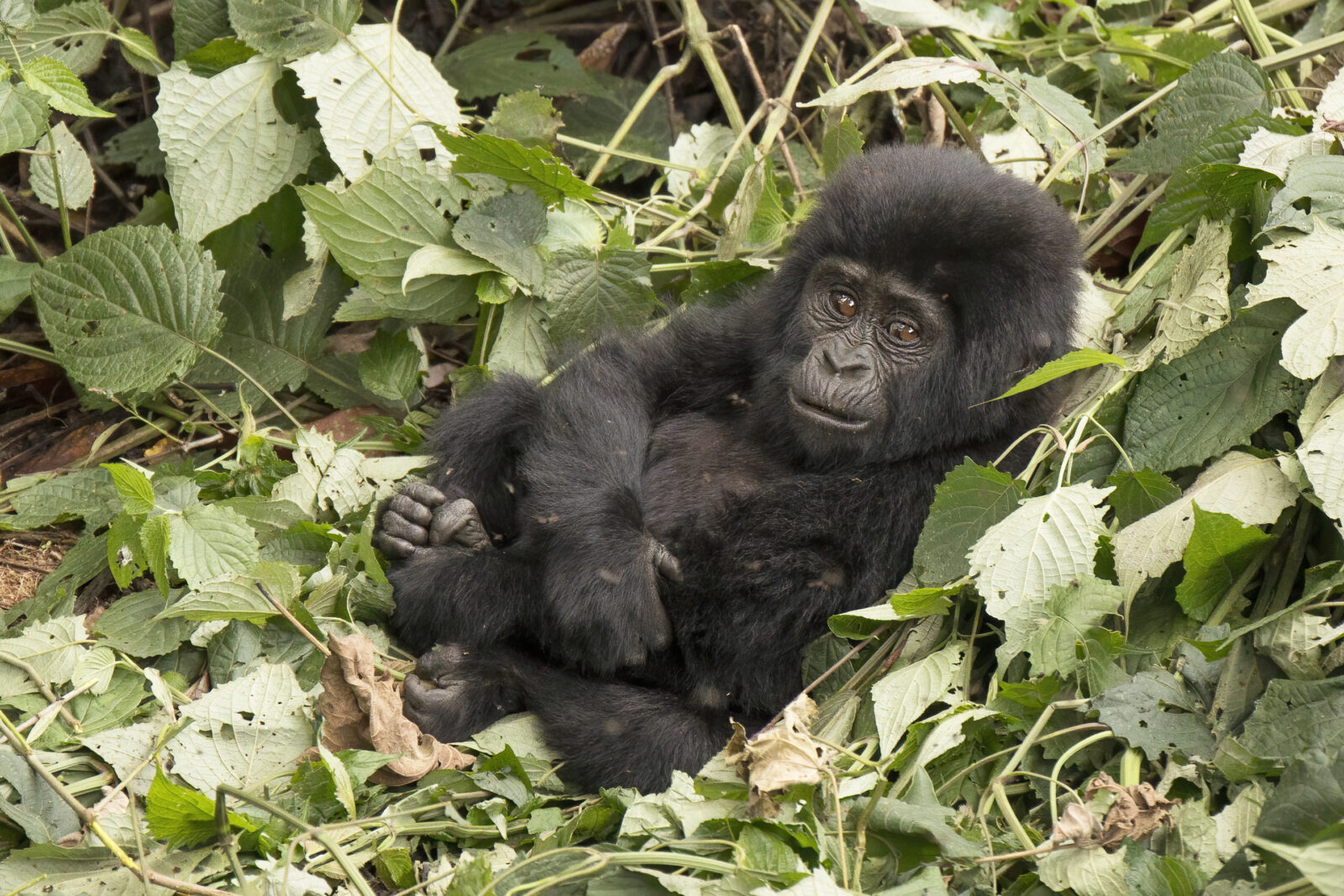
Uganda’s $800 gorilla trekking permit represents the single largest direct conservation funding stream tied to a specific species anywhere on the continent, with revenue from permit sales funding a substantial share of the Uganda Wildlife Authority’s operational budget for protecting Bwindi and Mgahinga’s gorilla populations. This direct link between what travellers pay and what funds ranger patrols, veterinary care, and habitat protection gives the gorilla permit a genuinely different character from a standard park entry fee, functioning closer to a dedicated conservation investment than a simple access charge.
Where Permit Revenue Actually Goes
A meaningful share of gorilla permit revenue funds the Uganda Wildlife Authority’s ranger workforce, the personnel responsible for daily gorilla monitoring, anti-poaching patrols, and the habituation process that makes gorilla trekking possible in the first place. Additional revenue supports veterinary intervention when gorillas are injured or ill, ongoing research into gorilla health and behaviour, and infrastructure maintenance across the parks, from trail networks to ranger outposts positioned throughout gorilla habitat.
Revenue Sharing with Local Communities
Uganda operates a formal revenue-sharing scheme returning a percentage of park revenue directly to communities living adjacent to protected areas, funding schools, health clinics, and infrastructure projects in villages bordering Bwindi and other parks. This mechanism directly addresses one of conservation’s most persistent challenges, ensuring that communities bearing the practical costs of living alongside protected wildlife, crop damage from wildlife incursions, restricted land access, also see tangible benefit from the tourism revenue that wildlife protection generates.
How Tourism Revenue Reduces Poaching Incentive
Beyond directly funding anti-poaching patrols, tourism revenue reshapes local economic incentives around wildlife in a more fundamental way, transforming gorillas and other wildlife from a potential poaching target into a genuinely more valuable long-term economic asset when left alive and protected. Communities that see direct employment and revenue-sharing benefit from tourism have measurably stronger incentive to support conservation efforts and report poaching activity than communities that see wildlife purely as a threat or nuisance without corresponding economic upside.
Employment Generated by Conservation Tourism
Uganda’s gorilla tourism sector generates substantial direct employment, rangers, trackers, porters, lodge staff, drivers, and guides, alongside considerable indirect employment supporting the broader tourism supply chain, from local food producers supplying lodges to craft vendors selling to visiting travellers. This employment base gives entire communities a genuine economic stake in continued conservation success, since a decline in gorilla populations or tourism visitation would directly threaten livelihoods that now depend on the sector’s continued health.
The Porter Programme: Direct Community Benefit
Bwindi’s porter programme offers one of the clearest examples of how gorilla tourism translates directly into local income, with community members hired to carry supplies and assist trekkers during the physically demanding hike through forest terrain. Beyond the direct income this provides, the programme deliberately prioritises hiring from communities historically dependent on forest resources now protected within the park, offering an alternative income source that reduces economic pressure toward illegal resource extraction.
Comparing Uganda’s Model to Other Conservation Funding Approaches
Uganda’s tourism-funded conservation model stands in useful contrast to conservation approaches relying primarily on international donor funding or government budget allocation, both of which can prove considerably less stable and predictable than a functioning tourism revenue stream tied directly to a valuable, protected species. This isn’t to suggest donor funding and government support play no role in Uganda’s conservation success, both remain important, but the self-sustaining nature of tourism-funded conservation offers a genuine resilience that pure donor dependency often lacks.
Rwanda’s Parallel Model
Rwanda operates a broadly similar tourism-funded conservation model around its own mountain gorilla population in Volcanoes National Park, with an even higher gorilla permit price funding comparable ranger operations, community revenue sharing, and habitat protection efforts. The success of both countries’ parallel approaches, alongside similar efforts in the Democratic Republic of Congo, has contributed directly to the mountain gorilla’s rare status among great apes as a species with a genuinely growing, rather than declining, wild population.
Risks and Limitations of Tourism-Dependent Conservation
Uganda’s tourism-funded conservation model, however successful, carries genuine vulnerability to disruption, a reality starkly illustrated during the COVID-19 pandemic when collapsed tourism revenue temporarily strained ranger operations and community revenue-sharing payments across the region. This vulnerability underscores why conservation organisations and governments continue working to diversify funding sources, combining tourism revenue with donor support, government allocation, and emerging mechanisms like carbon credit schemes, rather than relying on tourism income alone.
How Travellers Can Maximise Their Conservation Contribution
Beyond simply paying the mandatory gorilla permit fee, travellers genuinely interested in maximising their conservation contribution can make deliberate choices throughout their trip, choosing accommodation and tour operators with demonstrated community and conservation commitments, purchasing crafts and services directly from local producers, and considering additional direct donations to established conservation organisations operating in the region. These choices, while individually modest, collectively reinforce the broader economic logic underpinning Uganda’s conservation success.
The Broader Economic Case for Conservation
Uganda’s experience offers a genuinely compelling real-world case study in how aligning conservation with sustainable economic incentive can outperform purely regulatory or enforcement-based approaches to wildlife protection, transforming what might otherwise be viewed as a resource constraint, land set aside for wildlife rather than agriculture or development, into a genuine economic asset generating sustained revenue and employment. This economic reframing has become increasingly influential in conservation policy discussions well beyond Uganda’s borders, cited frequently as a model for how tourism revenue can align local economic interest with long-term wildlife protection.
Understanding the Full Picture Behind Every Trek
Every traveller who treks to see Uganda’s mountain gorillas becomes, whether they fully realise it or not, a direct participant in one of Africa’s most successful tourism-conservation partnerships, their permit fee flowing directly into ranger salaries, community development, and the habitat protection that has allowed this critically endangered species to slowly recover. Understanding this connection adds genuine depth to a Uganda gorilla trekking experience, transforming what might otherwise feel like simply an expensive wildlife encounter into meaningful participation in an ongoing conservation success story.
Chimpanzee Tracking and Forest Conservation Funding
Beyond gorilla tourism specifically, chimpanzee tracking permits in Kibale Forest and Budongo Forest fund a parallel conservation model protecting Uganda’s broader forest ecosystems and primate populations, revenue supporting ranger patrols, research stations, and forest protection efforts that benefit not just chimpanzees but the full range of species sharing these forest habitats. This broader forest conservation funding matters considerably given how much biodiversity these ecosystems support beyond their primate populations, from birdlife to smaller mammals that rarely feature prominently in tourism marketing but depend equally on continued habitat protection.
National Park Entry Fees Beyond Gorilla Permits
Standard park entry fees across Uganda’s savannah parks, Murchison Falls, Queen Elizabeth, and Kidepo among them, fund a similar though smaller-scale version of the conservation model built around gorilla tourism, supporting ranger operations, anti-poaching efforts, and infrastructure maintenance across landscapes protecting elephant, lion, and a wide range of other wildlife. While these fees individually generate less revenue than the premium gorilla permit, their cumulative contribution across Uganda’s full park network remains a meaningful part of the country’s overall conservation funding picture, particularly for wildlife species and habitats that don’t carry the same premium pricing power or global brand recognition that gorillas enjoy.
The Role of Lodges and Tour Operators in Conservation Funding
Beyond direct government fees, private lodges and tour operators increasingly contribute to conservation funding through their own conservation levies, community partnership programmes, and direct financial support for research and anti-poaching initiatives operating near their properties. Travellers choosing accommodation and operators with genuine, verifiable conservation commitments, rather than those merely using conservation language as marketing without substantive backing, add a meaningful additional layer of support beyond the mandatory fees already built into their trip.
Measuring Conservation Success Against Investment
The clearest evidence for the effectiveness of Uganda’s tourism-funded conservation model lies in the numbers themselves, a mountain gorilla population that has grown from a few hundred individuals decades ago to well over a thousand today, one of remarkably few great ape populations worldwide moving steadily in a genuinely positive direction. While tourism revenue alone doesn’t explain this entire recovery story, sustained international conservation partnership and government commitment both played essential roles, the direct, measurable link between tourism dollars and on-the-ground protection efforts remains one of the most compelling arguments for this model’s continued expansion, and for conservation planners elsewhere on the continent studying Uganda’s approach as a genuine template worth adapting to their own struggling wildlife populations.