
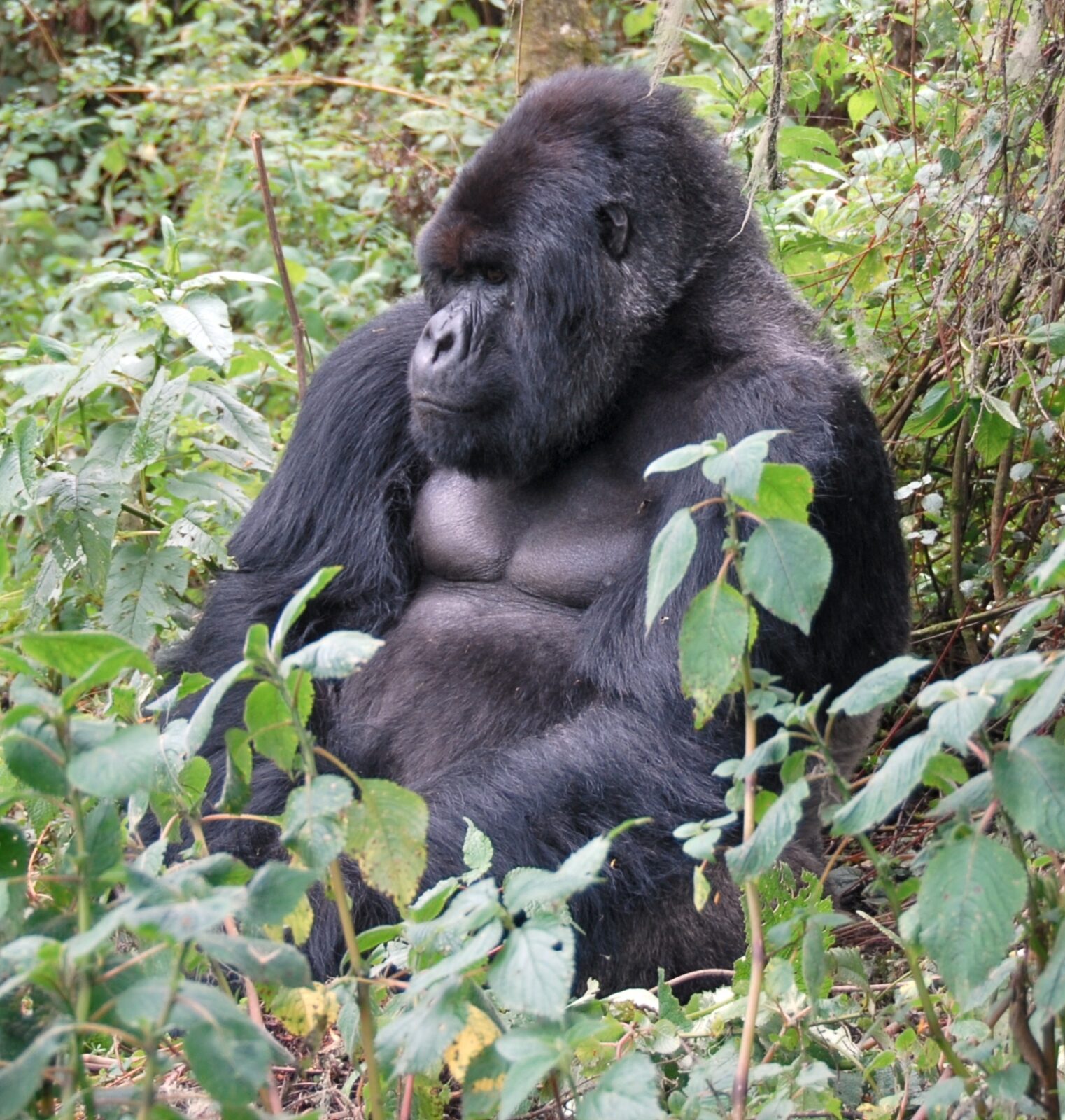
Mountain Gorilla Extinction Risk: What Threats Remain in 2026
Mountain gorillas remain classified as endangered, an improvement from their earlier critically endangered status but still a designation reflecting genuine, ongoing extinction risk despite decades of dedicated conservation success. Understanding exactly which threats persist today, and how conservation efforts continue addressing them, offers a more complete, honest picture than simply celebrating the population’s encouraging growth trend without acknowledging the real vulnerabilities that remain.
The Encouraging Population Trend
Mountain gorilla numbers have grown from roughly 250 individuals in the 1980s to over 1,000 today, a genuinely remarkable conservation success story driven by sustained anti-poaching efforts, veterinary intervention, and tourism-funded habitat protection across Uganda, Rwanda, and the Democratic Republic of Congo. This growth led to the species’ 2018 reclassification from critically endangered to endangered on the IUCN Red List, a meaningful improvement, though still far from suggesting the species faces no further risk.
Habitat Loss and Fragmentation
Mountain gorillas occupy an extremely limited total habitat range, confined entirely to the Virunga volcanic range and Bwindi Impenetrable Forest, meaning any further habitat loss or fragmentation carries outsized risk given how little room the species already has to occupy. Surrounding human population growth and agricultural expansion continue placing pressure on habitat boundaries, making sustained land protection a continuous rather than one-time conservation achievement.
Disease Transmission Risk
Given mountain gorillas’ close genetic relationship to humans, they remain genuinely vulnerable to human respiratory illnesses and other communicable diseases, a risk that has grown alongside increasing tourism visitor numbers even as strict protocols work to minimise transmission opportunities. A serious disease outbreak within a habituated gorilla family could spread rapidly given close social bonds within gorilla groups, representing one of the more acute, immediate risks conservation managers actively work to prevent through health screening and distance protocols.
Poaching and Snare-Related Injuries
While direct poaching targeting gorillas specifically has declined considerably due to sustained ranger patrols and community engagement, gorillas remain vulnerable to snares originally set for other wildlife, injuries that can prove fatal without prompt veterinary intervention. This indirect poaching threat persists precisely because it isn’t deliberately targeted at gorillas, making it considerably harder to eliminate entirely compared to threats that could be addressed through gorilla-specific protection measures alone.
Political Instability in the Democratic Republic of Congo
Virunga National Park in the Democratic Republic of Congo, home to a portion of the mountain gorilla population, has experienced significant periods of armed conflict and political instability that have repeatedly disrupted conservation operations and ranger safety, with numerous rangers killed in the line of duty over the years protecting this specific population. This ongoing instability represents a genuinely distinct risk category from the more manageable conservation challenges facing Uganda and Rwanda’s comparatively more stable gorilla populations.
Climate Change Impacts
Emerging research increasingly points to climate change as a longer-term threat to mountain gorilla habitat, shifting temperature and rainfall patterns potentially affecting the specific high-altitude vegetation gorillas depend on for food, though the full scope of this impact remains an active area of ongoing scientific study rather than a fully quantified, immediate crisis. Conservation organisations increasingly factor climate resilience into long-term habitat protection planning, recognising this as a genuine emerging concern requiring sustained attention.
Genetic Diversity Concerns
With a total population still numbering only slightly over 1,000 individuals split across two genetically separate subpopulations, the Virunga range and Bwindi, mountain gorillas face ongoing genetic diversity concerns that could affect long-term population health and resilience to disease or environmental change. Conservation geneticists continue monitoring this concern carefully, since reduced genetic diversity can compound other extinction risks even as raw population numbers continue trending positively overall.
Tourism Revenue Dependency
The conservation funding model protecting mountain gorillas depends heavily on sustained tourism revenue, a vulnerability starkly demonstrated during the COVID-19 pandemic when collapsed tourism income temporarily strained ranger operations and community revenue-sharing payments across the region. This dependency means that any future sustained disruption to tourism, whether from pandemic, political instability, or global economic downturn, could meaningfully threaten the conservation infrastructure that has driven the population’s recovery.
Why “Endangered” Still Means Genuine Risk
The shift from critically endangered to endangered status, while genuinely worth celebrating, shouldn’t be mistaken for the species reaching safety, endangered still represents a category reflecting real, ongoing extinction risk absent continued, sustained conservation investment. Conservation organisations working directly with mountain gorillas consistently emphasise that current population trends depend entirely on maintaining, not merely achieving, the conservation infrastructure currently in place.
What Continued Conservation Success Requires
Sustaining and building on mountain gorillas’ encouraging population trend requires continued investment across every threat category outlined above, habitat protection, disease prevention protocols, anti-poaching patrols, political stability support in the Democratic Republic of Congo, and diversified funding sources reducing dependency on tourism revenue alone. This multi-pronged requirement underscores why conservation success, however encouraging the current trajectory, remains an ongoing project rather than a completed achievement.
Comparing Bwindi and Virunga Population Trends
The Bwindi population and the Virunga range population, while both classified as mountain gorillas, have shown somewhat different growth trajectories over recent decades, reflecting distinct local conservation conditions, habitat characteristics, and security environments between Uganda’s relatively stable Bwindi forest and the more politically complex Virunga landscape spanning Rwanda, Uganda’s Mgahinga sector, and the Democratic Republic of Congo. Researchers monitoring both subpopulations separately note that this divergence matters for understanding where continued conservation investment might prove most urgently needed going forward, rather than treating the overall mountain gorilla population as a single, uniformly trending statistic.
How Travellers Contribute to Continued Protection
Every traveller who treks to see mountain gorillas contributes directly to the conservation funding addressing these ongoing threats, permit revenue supporting ranger patrols, veterinary care, and community programmes that collectively work to protect this genuinely vulnerable species. Anyone planning a Uganda gorilla trekking safari can trek with a clear understanding that their visit meaningfully supports the ongoing effort required to keep mountain gorillas moving further from extinction risk rather than back toward it.
Comparing Mountain Gorillas to Other Great Ape Conservation Statuses
Mountain gorillas’ relatively positive population trend stands in stark contrast to most other great ape species and subspecies, many of which continue experiencing sustained population decline despite ongoing conservation efforts, making the mountain gorilla’s trajectory a genuinely rare conservation bright spot within the broader great ape conservation landscape. This distinction matters for understanding why mountain gorilla conservation specifically has attracted such significant, sustained research and funding attention, a model conservationists working with other declining great ape populations study closely for potentially transferable lessons.
The Role of International Conservation Organisations
Beyond the direct tourism revenue funding ranger operations, several major international conservation organisations maintain sustained, long-term involvement in mountain gorilla protection, providing research funding, technical expertise, and international advocacy that complements the on-the-ground work of national wildlife authorities. This international dimension adds a meaningful layer of funding diversification and technical support beyond what tourism revenue and national government resources alone could sustain, particularly valuable during periods when tourism income faces disruption.
Monitoring Population Trends Going Forward
Regular population census efforts, conducted periodically across the Virunga range and Bwindi through careful field survey methodology, provide the essential data underlying our understanding of whether mountain gorilla numbers continue trending positively or face emerging new pressures requiring adjusted conservation response. These census efforts represent a critical, ongoing scientific foundation for evidence-based conservation decision-making, ensuring that conservation strategy continues adapting based on genuine population data rather than outdated assumptions about the species’ current status.
Community Attitudes as a Long-Term Risk Factor
Beyond direct physical threats, the long-term sustainability of mountain gorilla conservation depends significantly on maintaining positive community attitudes toward gorillas and the parks protecting them, since communities that don’t genuinely benefit from or support conservation efforts represent a longer-term structural risk regardless of current ranger patrol effectiveness. Sustained investment in community revenue-sharing, local employment opportunities, and genuine, ongoing engagement with communities living adjacent to gorilla habitat therefore functions just as much as a core conservation strategy as any direct anti-poaching patrol or veterinary intervention effort might.
Cross-Border Coordination Challenges
Given that mountain gorilla habitat spans three separate countries, each with distinct governments, wildlife authorities, and, in the Democratic Republic of Congo’s case, considerably more volatile security conditions, effective conservation requires genuine cross-border coordination that isn’t always straightforward to maintain consistently. Differences in resourcing, political priority, and security conditions between Uganda, Rwanda, and the Democratic Republic of Congo mean the overall population’s safety depends on the weakest link among these three conservation systems functioning adequately, not merely on whichever of the three happens to be functioning most effectively at any given moment.
Why Continued Vigilance Matters More Than Celebration
Conservation organisations working directly with mountain gorillas consistently caution against treating the population’s improved status as a finished success story, emphasising instead that every positive trend documented so far resulted directly from sustained, active intervention that must continue indefinitely rather than tapering off once population numbers reach a seemingly comfortable threshold. This framing, vigilance over celebration, shapes how genuinely informed observers, and travellers alike, should understand the mountain gorilla’s current conservation status heading into 2026 and the years immediately beyond it.