
What Happens Between Treks? Gorilla Families’ Daily Lives Revealed
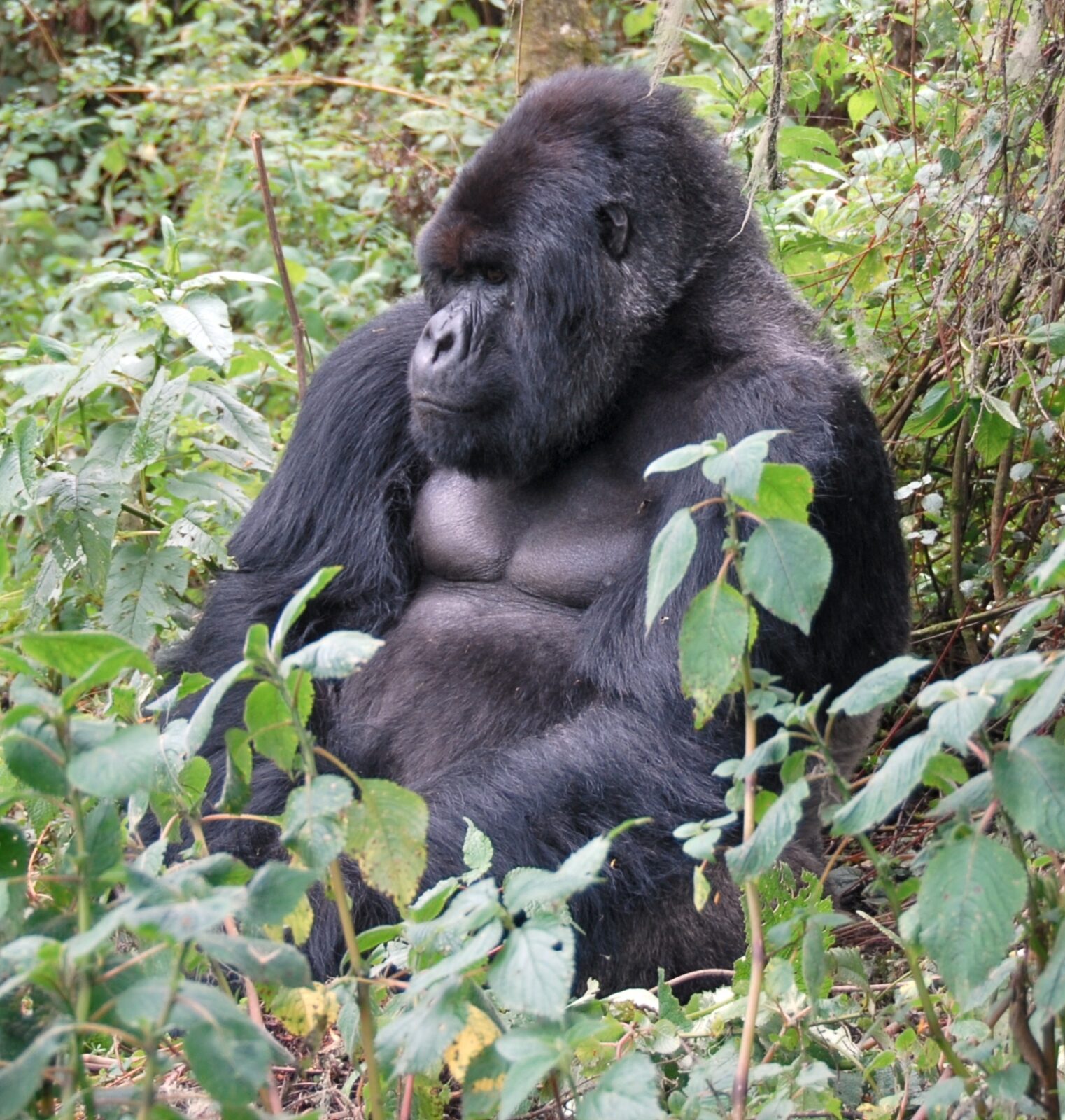
Trekkers genuinely experience just one carefully regulated hour with a gorilla family, a genuinely profound but necessarily brief window into lives that continue, largely unwitnessed by tourists, across the remaining twenty-three hours of every single day. Understanding what gorilla families actually do between tourist visits offers genuine insight into their broader daily existence, revealing lives shaped considerably more by feeding, resting, and social bonding than by the human encounters that dominate most visitor understanding of gorilla behaviour.
The Dominant Daily Activity: Feeding
Mountain gorillas spend a genuinely substantial portion of each day feeding, their considerable body size and specific dietary needs requiring extended periods consuming vegetation, primarily leaves, stems, and shoots, alongside occasional fruit and other food sources available within their forest habitat. This near-constant feeding behaviour, considerably less dramatic than the encounter tourists typically witness, nonetheless represents the genuine core activity structuring most of a gorilla family’s daily rhythm across the forest.
Morning Routines and Waking Behaviour
Gorilla families typically begin each day from overnight nest sites, constructed fresh each evening from surrounding vegetation, gradually rousing and beginning morning feeding activity as daylight increases across the forest. This morning transition, rarely witnessed by tourists given trekking’s later daily timing, involves genuine family coordination as the group collectively decides on the day’s initial movement direction based on food availability and other environmental factors.
Midday Rest Periods
Following extended morning feeding, gorilla families typically enter a genuine rest period during the warmer midday hours, individuals grooming each other, young gorillas playing, and the broader group generally relaxing before resuming more active feeding as afternoon temperatures moderate. This midday rest period offers some of the richest social interaction opportunities within a gorilla family’s daily routine, though tourists rarely witness this specific phase given typical trekking timing.
Social Bonding Through Grooming
Grooming represents a genuinely central social activity within gorilla family life, individuals spending considerable time carefully grooming each other’s fur, behaviour serving both practical hygiene functions and, more importantly, reinforcing social bonds and hierarchical relationships within the broader family group. This sustained social bonding activity, occurring throughout the day but particularly during rest periods, illustrates the genuine emotional and social complexity underlying gorilla family life beyond simple survival behaviour.
Juvenile Play and Development
Young gorillas engage in genuinely extensive play behaviour throughout the day, wrestling, chasing, and general boisterous interaction that serves important developmental functions, building physical coordination and social skills essential for successful adult integration within the broader gorilla community later in life. This playful behaviour, often the most visually engaging aspect of gorilla family life, continues largely unwitnessed by tourists beyond whatever play activity happens to occur during their specific hour-long visit.
The Silverback’s Daily Responsibilities
The dominant silverback maintains genuine leadership responsibility throughout each day, monitoring group safety, making key decisions about movement and feeding locations, and intervening in occasional internal disputes requiring his authority to resolve. This leadership role continues constantly throughout the day, well beyond the specific moments tourists witness during their limited trekking encounter, reflecting the sustained responsibility silverback leadership genuinely requires.
Afternoon Movement and Continued Feeding
Following midday rest, gorilla families typically resume more active movement and feeding through the afternoon, covering additional ground in search of fresh vegetation while gradually working toward that evening’s eventual nesting location. This afternoon activity phase, like morning feeding, represents genuine core daily behaviour that continues regardless of whether any tourist trekking group happens to encounter the family during this particular day’s movement.
Evening Nest Construction
As daylight fades, gorilla families construct fresh overnight nests, each individual, except very young infants remaining with their mothers, building their own sleeping platform from surrounding vegetation, a behaviour repeated fresh every single night rather than reusing previous locations. This nightly nest-building represents a genuinely universal gorilla behaviour, observed consistently across habituated and unhabituated populations alike, reflecting deeply ingrained natural behaviour patterns.
How Researchers Track Daily Patterns
Much of what’s understood about gorilla families’ full daily patterns comes from sustained research monitoring, trackers and researchers following specific families throughout entire days, documenting behaviour patterns that inform both scientific understanding and the practical tracking knowledge that helps guides locate families efficiently each morning for tourist trekking groups. This research foundation, built through decades of accumulated observation, underlies much of what conservation organisations and guides currently understand about gorilla daily life beyond the limited tourist encounter window.
Comparing Habituated and Wild Family Routines
Habituated gorilla families, those regularly visited by trekking groups, generally maintain remarkably similar daily routines to entirely wild, unhabituated families elsewhere in the forest, since habituation specifically targets tolerance of brief human proximity rather than altering the family’s fundamental daily behaviour patterns. This consistency reassures conservationists that the habituation and tourism process hasn’t meaningfully distorted natural gorilla behaviour, the daily rhythm trekkers glimpse during their hour genuinely reflects authentic, undisturbed gorilla life rather than some artificially modified version shaped by tourism itself.
Why the One-Hour Limit Exists Despite This Fuller Picture
Understanding gorillas’ full daily activity pattern helps explain why the strict one-hour tourist viewing limit makes genuine conservation sense, extended human presence throughout a family’s entire day would meaningfully disrupt the natural feeding, resting, and social patterns essential to their wellbeing, whereas a carefully limited hour allows meaningful human observation while preserving the vast majority of each day for undisturbed natural behaviour.
Appreciating the Fuller Picture
Understanding gorilla families’ complete daily rhythm, feeding, resting, social bonding, and movement continuing largely unwitnessed by tourists, adds genuine depth to appreciating what trekkers actually observe during their limited hour. Anyone planning a Uganda gorilla trekking safari can approach their eventual encounter with richer appreciation, recognising their brief hour as a genuine glimpse into a much fuller, continuous daily life extending well beyond what any single tourist visit can reveal.
Seasonal Variation in Daily Patterns
Gorilla families’ daily activity patterns shift somewhat with Uganda’s seasonal changes, dry season conditions sometimes requiring more extensive movement to locate adequate vegetation, while wetter periods often allow more concentrated feeding within smaller home range areas given generally greater vegetation abundance. Researchers tracking these seasonal patterns have documented meaningful variation in daily travel distance and feeding duration depending on broader environmental conditions, illustrating how gorilla behaviour genuinely adapts to changing resource availability throughout the year.
Individual Personality Within Daily Routines
Despite broadly consistent daily patterns across gorilla families generally, individual gorillas display genuine personality variation within these routines, some individuals showing greater curiosity, playfulness, or social engagement than others, personality differences researchers and experienced guides increasingly recognise and document across sustained observation periods. This individual variation means no two gorilla families, or even two individuals within the same family, follow entirely identical daily patterns, adding genuine behavioural richness beyond simplified generalisations about gorilla daily life.
Conflict and Resolution Within Family Groups
Beyond peaceful feeding and social bonding, gorilla families occasionally experience internal tension, competition for feeding resources or social status prompting brief confrontations that the dominant silverback typically intervenes to resolve before serious conflict develops. These conflict resolution moments, while less commonly witnessed during brief tourist visits, represent a genuine, important dimension of gorilla family social dynamics, illustrating the sophisticated social management skills silverback leadership genuinely requires throughout each day.
Weather’s Impact on Daily Behaviour
Rain, a frequent feature of Bwindi’s forest climate, meaningfully affects gorilla daily behaviour, families often seeking shelter under dense canopy during heavier rainfall while reducing overall movement and activity level until conditions improve. This weather-responsive behaviour pattern means a gorilla family’s specific daily rhythm can vary considerably depending on current weather conditions, adding genuine environmental responsiveness to what might otherwise seem simply a fixed, predictable daily schedule.
How This Research Informs Trekking Logistics
Understanding gorilla families’ typical daily movement patterns, informed by this sustained research into their fuller daily behaviour, directly supports the tracker system allowing guides to locate specific families relatively efficiently each trekking morning, using knowledge of the previous day’s location and typical movement patterns to narrow search areas considerably compared to searching without this accumulated behavioural understanding.
A Deeper Appreciation for Every Trekking Encounter
Recognising that the hour tourists spend with a gorilla family represents just a small window into a considerably richer, more complex daily existence transforms the trekking experience from simply observing animals into genuine appreciation for witnessing a brief, carefully protected moment within an ongoing, largely private natural life continuing whether or not any tourist happens to be present that particular day.
What Guides Learn From Sustained Observation
Experienced ranger guides who spend years working with the same specific gorilla families develop genuinely intimate knowledge of individual personalities, family relationships, and typical daily patterns, knowledge that considerably enriches the storytelling and context they provide during the actual trekking hour itself. This accumulated familiarity means guides can often explain not just what a specific gorilla is doing in the moment, but how that behaviour fits within the family’s broader typical daily patterns, adding genuine depth to the tourist encounter beyond simple observation alone.
The Ongoing Nature of Gorilla Family Life
Perhaps the most important takeaway from understanding gorilla families’ fuller daily existence is recognising that these are genuinely ongoing lives, continuing through every season, every day, entirely independent of tourism schedules, permit bookings, or trekking logistics. This recognition helps travellers approach their encounter with appropriate humility, understanding themselves as brief, carefully managed visitors into an ongoing natural story that began long before their arrival and will genuinely continue long after they eventually depart.