
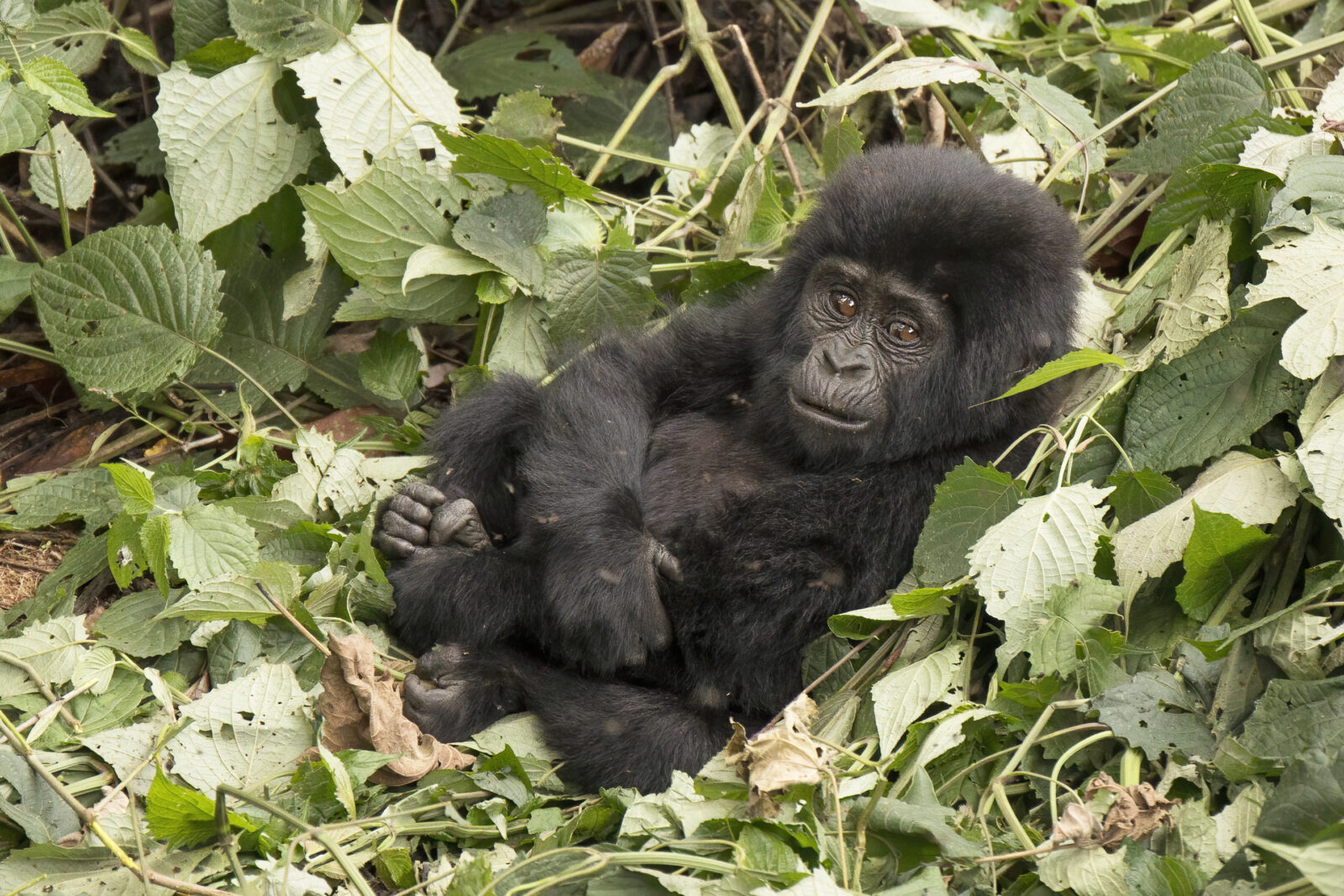
Gorilla Research Stations in Bwindi: Ongoing Studies and Discoveries
Beyond the tourist-facing trekking infrastructure most visitors encounter, Bwindi Impenetrable Forest hosts genuine scientific research stations supporting sustained, decades-long study of mountain gorilla biology, behaviour, and health, work that directly informs the conservation practices making tourism itself genuinely sustainable over the long term. Understanding this research infrastructure offers travellers meaningful, genuine insight into the scientific foundation underlying Uganda’s broader gorilla conservation success story.
The Role of Research Stations Within Bwindi
Research stations positioned within or near Bwindi’s various trekking sectors provide operational bases for scientists, veterinarians, and research staff conducting sustained observation and study of the park’s habituated and, in some cases, unhabituated gorilla populations. These facilities genuinely support everything from daily health monitoring to considerably longer-term behavioural and genetic research, representing genuinely essential infrastructure underlying much of what’s currently understood about mountain gorilla biology and their ongoing conservation needs.
Long-Term Individual Gorilla Monitoring
A core research function involves sustained individual gorilla monitoring, tracking specific animals across years and, in some cases, decades, building detailed life histories that genuinely inform understanding of gorilla longevity, reproductive patterns, and social dynamics across multiple successive generations. This long-term monitoring approach, requiring genuine institutional continuity and sustained funding, has produced research datasets considerably richer than shorter-term studies could ever achieve, offering genuine, lasting scientific value extending well beyond Bwindi’s own immediate conservation needs.
Health Monitoring and Disease Research
Research stations support ongoing health monitoring work, tracking gorilla health indicators and investigating disease transmission patterns given gorillas’ genuine vulnerability to human-transmitted illness. This health research directly informs the safety protocols governing tourist trekking, minimum viewing distances and health screening requirements grounded in genuine scientific understanding of transmission risk rather than arbitrary precaution, making research station work directly relevant to how tourism itself operates.
Behavioural Research and Social Dynamics Study
Beyond health monitoring, researchers conduct sustained behavioural observation, documenting social hierarchy dynamics, communication patterns, and group interaction that build genuine scientific understanding of gorilla social complexity. This behavioural research contributes to broader primatology knowledge extending well beyond gorilla-specific conservation applications, informing comparative understanding of great ape social behaviour more generally across the scientific community.
Genetic Research and Population Studies
Research stations support genetic sampling and analysis work, contributing to broader understanding of mountain gorilla population genetics, inbreeding considerations, and the genetic relationships between different family groups and the broader Bwindi and Virunga subpopulations. This genetic research, often conducted through non-invasive sampling methods, provides essential data informing long-term conservation planning around genetic diversity and population viability.
Training Ground for Conservation Professionals
Beyond direct research output, Bwindi’s research stations serve genuine educational functions, training Ugandan and international researchers, veterinary students, and conservation professionals through hands-on field experience unavailable through classroom study alone. This training function builds sustainable regional conservation capacity, ensuring specialised gorilla research and conservation expertise continues developing within East Africa rather than remaining dependent purely on international expertise.
International Research Collaboration
Bwindi’s research stations maintain genuine collaborative relationships with international universities and research institutions, supporting visiting researchers and joint studies that bring additional scientific expertise and resources to bear on Uganda’s specific conservation research needs. This international collaboration model reflects broader patterns in African conservation research, combining local knowledge and access with international scientific resources and specialised expertise.
How Research Findings Inform Conservation Policy
Research station findings directly inform practical conservation policy decisions, from health protocol adjustments based on disease transmission research to habitat protection priorities informed by ranging pattern studies, creating a genuine feedback loop between scientific research and practical conservation management decisions. This research-to-policy connection ensures Uganda’s conservation approach remains grounded in current scientific understanding rather than static, unchanging practice regardless of new research findings.
Funding Challenges Facing Research Operations
Like broader conservation efforts, research station operations depend on sustained funding from a combination of government support, international grants, and, indirectly, tourism revenue supporting the broader conservation infrastructure research stations operate within. This funding dependency means research continuity, like broader conservation programming, remains genuinely vulnerable to funding disruption, underscoring why diversified, sustained financial support matters for maintaining research momentum over time.
Visiting or Learning About Research Work
While research stations themselves generally don’t offer standard tourist visiting access given their operational research focus, travellers genuinely interested in this scientific dimension can often learn more through knowledgeable guides who frequently incorporate research findings and station context into their broader trekking commentary and storytelling. Asking guides directly about current research activities often reveals genuinely interesting insight beyond standard trekking logistics discussion.
Appreciating the Science Behind Conservation Success
Understanding the sustained scientific research underlying Uganda’s gorilla conservation success adds genuine depth to appreciating why the current population recovery has proven possible, decades of accumulated research directly informing the practical conservation decisions that have moved mountain gorillas from critically endangered toward a more genuinely hopeful conservation trajectory. Travellers planning a Uganda gorilla trekking safari can appreciate that their encounter builds directly on this substantial scientific foundation.
The Karisoke Legacy and Research Station Evolution
While Rwanda’s Karisoke Research Center, founded by Dian Fossey, represents the most historically prominent mountain gorilla research facility, Bwindi’s own research infrastructure has developed considerably since gorilla trekking tourism began, building genuinely independent research capacity specifically addressing Uganda’s distinct gorilla population and forest ecosystem. This development reflects broader maturation within Uganda’s conservation sector, moving from earlier dependence on external research infrastructure toward genuinely home-grown scientific capacity addressing the country’s specific conservation needs.
Data Collection Methods and Field Techniques
Researchers employ various sustained data collection methods, direct behavioural observation, non-invasive genetic sampling from shed hair or faecal material, and increasingly, camera trap technology supplementing traditional field observation techniques. This methodological diversity allows researchers to build genuinely comprehensive understanding of gorilla biology and behaviour while minimising direct interference with natural gorilla activity, balancing scientific data needs against genuine conservation welfare priorities protecting the very population being studied.
Student and Early-Career Researcher Opportunities
Bwindi’s research infrastructure increasingly supports opportunities for Ugandan university students and early-career researchers to gain genuine hands-on field experience, contributing to broader national capacity building within conservation science while providing valuable practical training unavailable through classroom instruction alone. These opportunities help address a genuine historical gap in African-led conservation research leadership, building toward a future where Uganda’s own researchers increasingly drive the scientific agenda shaping their country’s conservation priorities.
Publishing Research Findings and Scientific Impact
Research conducted through Bwindi’s stations regularly contributes to peer-reviewed scientific publications, building the broader academic literature informing global understanding of great ape conservation, behaviour, and health beyond Uganda’s specific context. This publication record represents genuine scientific contribution extending well beyond Uganda’s immediate conservation needs, positioning Bwindi’s research work within the broader global primatology and conservation science community.
Coordination With Rwanda and Congo Research Efforts
Given mountain gorilla habitat’s cross-border distribution, Bwindi’s research increasingly coordinates with parallel research efforts in Rwanda’s Volcanoes National Park and the Democratic Republic of Congo’s Virunga National Park, sharing data and methodological approaches that strengthen overall scientific understanding of the species across its full range rather than treating each country’s population as an entirely separate research subject. This coordination reflects the broader cross-border conservation collaboration increasingly characterising mountain gorilla protection efforts across all three range countries.
How Tourism Revenue Indirectly Supports Research
While gorilla permit fees primarily fund direct conservation operations, ranger patrols and habitat protection, the broader conservation infrastructure tourism revenue sustains creates the stable operating environment research stations depend upon, secure park access, basic infrastructure, and general institutional stability that research work requires to function effectively over sustained periods. This indirect connection means every trekking tourist’s visit contributes, at least partially, to the broader ecosystem supporting continued scientific research alongside more directly funded conservation activities.
Research Priorities Looking Ahead
Current and emerging research priorities within Bwindi’s research stations increasingly extend beyond traditional behavioural and health monitoring toward climate change impact assessment, genetic diversity management strategies, and refined disease prevention protocols addressing evolving conservation challenges facing the population. This forward-looking research agenda reflects growing recognition that sustained gorilla conservation success requires continuously adapting scientific understanding rather than relying purely on established knowledge accumulated during earlier decades of research.
Why Sustained Research Funding Matters
The considerable value research stations provide, informing health protocols, conservation policy, and broader scientific understanding, depends entirely on sustained, reliable funding that allows research continuity across the extended timeframes genuine scientific understanding requires, some of the most valuable findings emerging only after years or decades of consistent data collection. This funding requirement underscores why research infrastructure, much like ranger operations and veterinary care, represents an essential, ongoing conservation investment rather than a one-time expense requiring only initial establishment funding and nothing more thereafter.
A Foundation Worth Understanding
The considerable, largely invisible research infrastructure supporting Bwindi’s gorilla conservation represents a genuine scientific achievement extending well beyond what most trekking tourists ever fully appreciate during their brief, carefully managed encounter with a single gorilla family, decades of accumulated data collection, genuine international collaboration, and sustained institutional commitment together making possible the remarkable conservation success story travellers ultimately come to witness firsthand during their own visit.