
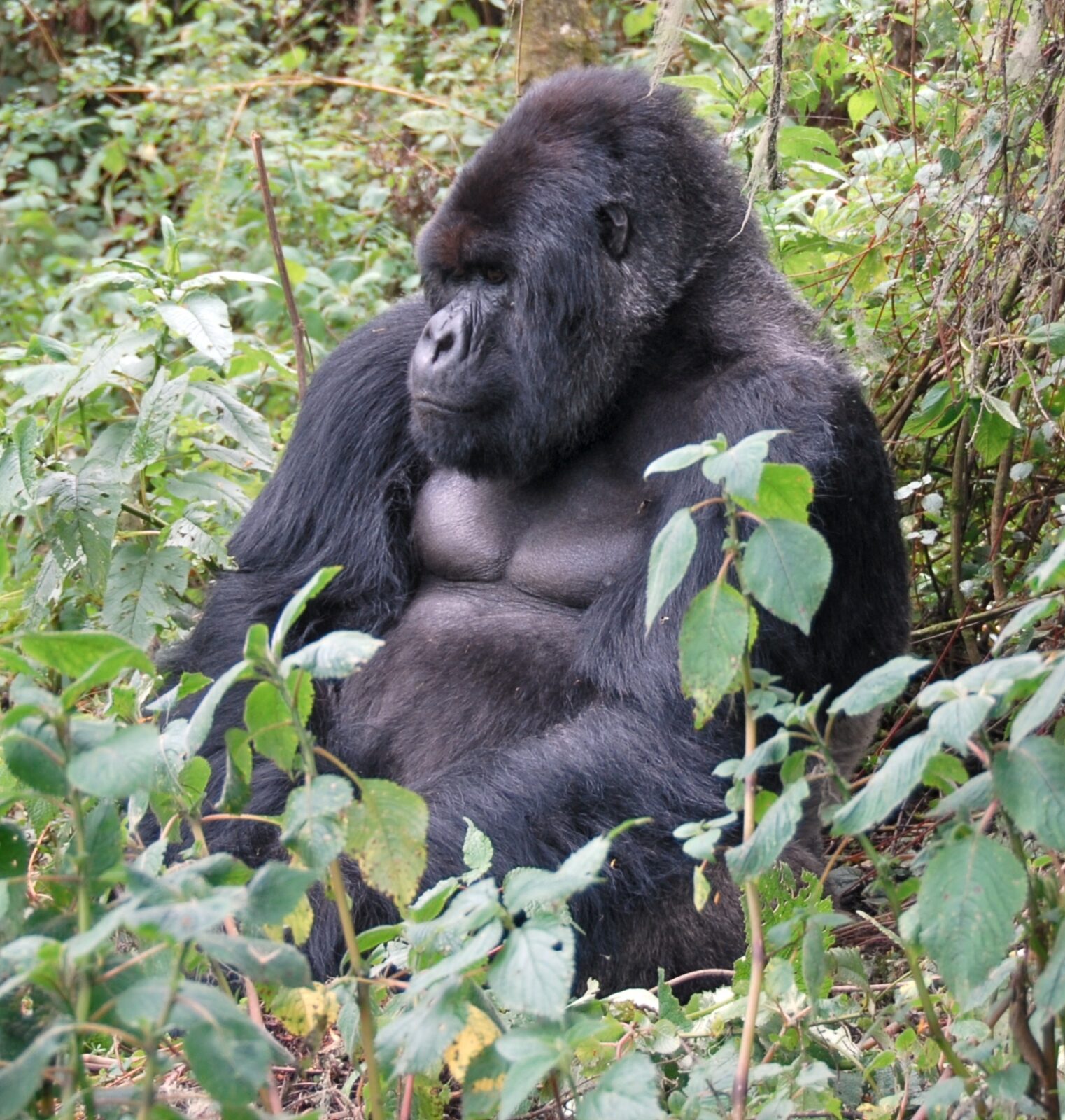
How COVID Changed Gorilla Tourism: Lessons from the Pandemic
The COVID-19 pandemic delivered a genuinely severe, unprecedented shock to Uganda’s gorilla tourism sector, the sudden, near-total collapse of international travel exposing real vulnerabilities within the tourism-funded conservation model while also prompting meaningful adaptations that continue shaping how the industry operates today. Understanding what actually happened during this genuinely unprecedented disruption, and what lessons emerged, offers valuable context for appreciating gorilla tourism’s current resilience and remaining vulnerabilities.
The Immediate Impact of Border Closures
When international travel restrictions took effect in early 2020, Uganda’s gorilla trekking sector experienced an almost immediate, complete collapse in visitor numbers, permit bookings evaporating virtually overnight as international borders closed and travel became genuinely impossible for the vast majority of prospective trekkers. This sudden revenue collapse struck directly at the tourism-funded conservation model underlying gorilla protection, threatening ranger salaries, community revenue-sharing payments, and broader conservation operations dependent on this now-vanished income stream.
Conservation Funding Gaps and Emergency Response
With permit revenue essentially eliminated, conservation organisations and government wildlife authorities faced genuine funding crises, prompting emergency response measures including international donor appeals, government emergency funding allocation, and difficult operational decisions about which conservation activities could continue given severely constrained resources. This period tested the underlying resilience of Uganda’s conservation infrastructure in ways normal operations never had, revealing both genuine vulnerabilities and, ultimately, meaningful institutional resilience that allowed core conservation functions to continue despite severe funding pressure.
Impact on Ranger Operations and Anti-Poaching Efforts
Reduced funding meaningfully strained ranger operations during the pandemic’s most severe phase, though anti-poaching patrols and core gorilla monitoring generally continued given their genuine conservation necessity, even as broader operational budgets faced significant pressure. Some reports suggested increased poaching pressure during this period, as reduced tourism presence and economic hardship in surrounding communities potentially increased incentive toward illegal wildlife exploitation, though the overall gorilla population thankfully avoided catastrophic impact during this challenging period.
Community Economic Impact
Communities economically dependent on gorilla tourism, porters, craft vendors, lodge staff, and broader tourism-adjacent employment, experienced genuine economic hardship during the pandemic’s tourism collapse, losing income streams that had become genuinely central to local economic wellbeing around Bwindi and other trekking destinations. This community impact illustrated tourism-dependent conservation’s genuine double-edged nature, the same economic dependency that incentivises community conservation support also creates genuine vulnerability when tourism itself collapses unexpectedly.
Emergency Conservation Funding Initiatives
International conservation organisations mobilised emergency funding specifically addressing the pandemic’s conservation funding gap, providing bridge financing that helped sustain critical ranger operations and community support payments through the most severe disruption period. This emergency response demonstrated genuine international commitment to mountain gorilla conservation extending beyond simple tourism revenue dependency, though it also highlighted how quickly normal operational funding models could face genuine crisis without this kind of emergency intervention.
Adapted Health and Safety Protocols
The pandemic prompted genuine reconsideration of health protocols governing gorilla trekking, given gorillas’ pre-existing vulnerability to human respiratory illness now considered alongside the specific COVID-19 transmission risk, resulting in enhanced health screening, mask requirements during certain periods, and other adapted protocols designed to protect gorilla health during this heightened disease transmission concern. Some of these enhanced protocols have persisted even as the acute pandemic crisis has passed, reflecting genuine lessons learned about disease transmission risk management.
The Gradual Return of International Tourism
As international travel restrictions gradually eased, gorilla tourism experienced a genuinely gradual, uneven recovery, initial cautious traveller return followed by accelerating demand as broader international travel confidence rebuilt over subsequent years. This recovery trajectory, while ultimately positive, involved a genuinely extended period of reduced revenue considerably longer than the initial acute crisis phase, extending the broader financial pressure conservation operations experienced well beyond the pandemic’s most severe initial months.
Lessons About Funding Diversification
Perhaps the most significant lasting lesson from this experience involves genuine recognition that tourism revenue dependency, while generally an effective conservation funding model, requires meaningful diversification to provide resilience against exactly this kind of unpredictable, severe disruption. Conservation organisations have subsequently invested more deliberately in diversified funding approaches, expanded donor relationships, endowment-style reserve funds, and other mechanisms specifically designed to provide buffer capacity against future tourism disruption, whatever form it might eventually take.
Changes in Traveller Behaviour and Booking Patterns
Post-pandemic gorilla tourism has shown some genuinely lasting behavioural shifts, travellers increasingly valuing flexible booking and cancellation policies, greater interest in health and safety protocol transparency, and, in some cases, increased appreciation for supporting conservation-focused tourism given heightened awareness of conservation funding’s genuine fragility exposed during the pandemic crisis. These shifts have prompted operators and conservation authorities to adapt their own policies and communication approaches accordingly.
Current Resilience Following the Pandemic Experience
Uganda’s gorilla tourism sector has genuinely recovered from the pandemic’s severe disruption, current visitor numbers and conservation funding having substantially rebuilt toward, and in some respects exceeded, pre-pandemic levels, while incorporating the genuine operational and funding diversification lessons this challenging period taught. This recovery demonstrates genuine underlying resilience within the broader conservation model, even as the experience exposed real vulnerabilities worth remembering.
Appreciating the Full Story Behind Current Tourism
Understanding gorilla tourism’s genuine pandemic experience adds meaningful context to appreciating the current, recovered state of the industry, a conservation model that proved genuinely resilient through unprecedented disruption while learning real lessons about funding diversification and operational adaptability. Travellers planning a Uganda gorilla trekking safari today benefit from an industry that emerged from this genuine crisis with meaningfully strengthened resilience and adaptability.
How Gorilla Populations Themselves Fared During the Crisis
Remarkably, despite the severe human and economic disruption tourism collapse caused, mountain gorilla populations themselves avoided catastrophic decline during the pandemic period, sustained ranger patrols and core conservation operations, even when significantly strained, proving sufficient to prevent the kind of population setback some conservationists initially feared. This outcome offers genuine reassurance about the underlying robustness of conservation infrastructure built up over preceding decades, even when tested by genuinely unprecedented funding pressure.
Rwanda and Congo’s Parallel Pandemic Experiences
Rwanda and the Democratic Republic of Congo experienced broadly similar pandemic disruption to their own gorilla tourism sectors, facing comparable funding challenges and community economic impact, though each country’s specific response and recovery trajectory reflected their own particular institutional capacity and available emergency funding relationships. This shared regional experience reinforced existing cross-border conservation coordination, since addressing a genuinely region-wide crisis benefited from continued collaboration rather than each country managing the disruption in complete isolation from neighbouring conservation efforts.
Digital Adaptation and Remote Engagement
During the period when physical travel remained impossible, several conservation organisations and tour operators experimented with digital engagement alternatives, virtual gorilla trekking experiences, online donation campaigns, and enhanced digital storytelling maintaining public engagement and, in some cases, generating modest supplementary funding during the crisis period. While these digital alternatives could never fully replace actual trekking revenue, they represented genuine creative adaptation attempting to maintain some connection between the conservation cause and its global support base during an otherwise entirely disrupted period.
Long-Term Structural Changes to Booking Systems
The pandemic prompted genuine structural changes to how gorilla permits and broader safari bookings operate, more flexible rescheduling policies, clearer communication about health-related cancellation circumstances, and generally more traveller-friendly booking terms than existed before the crisis fundamentally reshaped industry expectations around booking flexibility. These changes have generally persisted post-pandemic, reflecting genuine, lasting improvement in how the industry manages the inherent uncertainty travel booking always involves, pandemic or not.
What This Experience Revealed About Conservation Priorities
Perhaps most importantly, the pandemic experience revealed genuine clarity about conservation funding priorities when resources become severely constrained, ranger operations and core gorilla monitoring receiving protected priority status even as other, less immediately critical conservation and tourism infrastructure activities faced deeper cuts. This forced prioritisation exercise, while genuinely difficult to navigate at the time, provided valuable clarity about which conservation functions organisations consider truly non-negotiable versus those that can, if genuinely necessary, absorb temporary reduction without catastrophic long-term consequence.
Preparing for Future Disruptions
Building on lessons from the pandemic experience, many conservation organisations and tour operators have since developed more explicit contingency planning for future disruptions, whatever form they might take, recognising that the fundamental vulnerability tourism dependency exposed during COVID-19 could theoretically resurface through other unforeseen crises entirely. This forward planning represents a genuinely mature institutional response, treating the pandemic not as a one-off aberration to simply move past, but as a valuable case study informing more robust future crisis preparedness across the entire conservation tourism sector.
What Travellers Can Take From This History
Travellers booking a gorilla trek today benefit from an industry that has genuinely stress-tested its own resilience under the most severe conditions imaginable, and understanding this history offers a meaningful reminder that permit fees and tourism spending carry weight well beyond a single traveller’s personal experience, contributing to a conservation system that has already proven it can weather genuine crisis and continue protecting mountain gorillas regardless of what challenges the future might still bring.
A Genuinely Instructive Chapter in Conservation History
The COVID-19 pandemic’s impact on gorilla tourism will likely remain studied as a genuinely instructive case study within broader conservation funding literature, illustrating both the real vulnerabilities tourism-dependent conservation models carry and the genuine resilience sustained institutional commitment, emergency international support, and adaptive management can provide even through unprecedented disruption. Understanding this genuinely recent history offers travellers a fuller, more honest appreciation for the conservation infrastructure supporting their own eventual gorilla encounter today.