
Responsible Wildlife Photography: How Not to Harm Animals for a Shot
Wildlife photography’s growing popularity has unfortunately produced genuine documented cases of animal welfare compromise, photographers prioritising the perfect shot over animal wellbeing in ways responsible travellers should understand and actively avoid. Learning genuine responsible wildlife photography principles ensures your Uganda safari photography contributes to appreciation and conservation rather than inadvertently causing the harm irresponsible practices sometimes create.
Maintaining Appropriate Distance
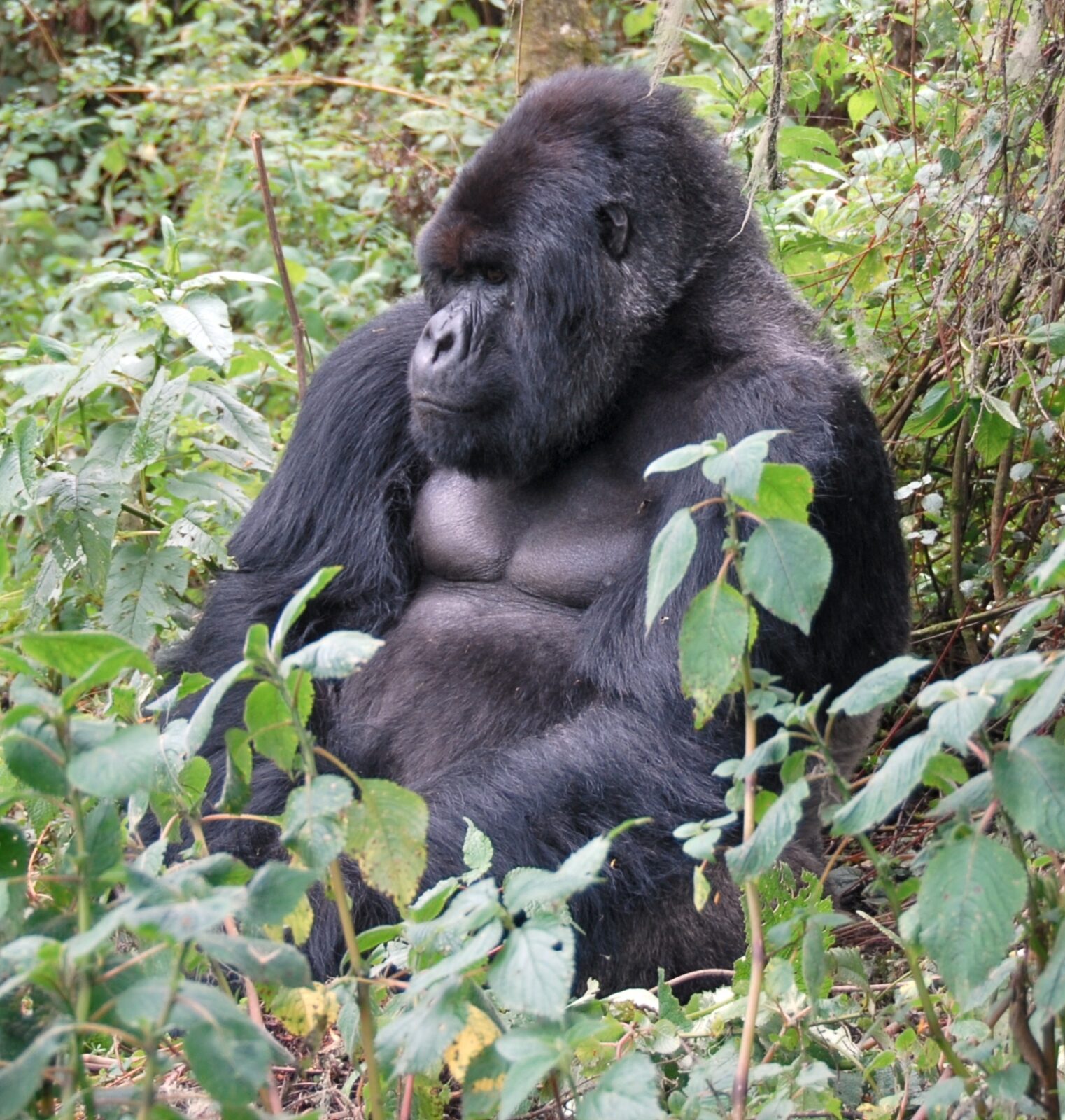
Responsible wildlife photography requires genuine commitment to maintaining appropriate viewing distance regardless of how much closer positioning might improve a specific shot, respecting established guidelines specifically designed to protect both animal welfare and visitor safety. This principle applies with particular importance during gorilla trekking, where strict distance requirements exist precisely because closer proximity poses genuine disease transmission and behavioural disturbance risk to habituated gorilla families.
Never Using Flash Photography Near Gorillas
Flash photography around gorillas is strictly prohibited, and responsible photographers understand and respect this rule without exception, recognising that sudden bright flash can genuinely startle and stress gorillas in ways potentially triggering defensive or fear-based reactions. Bringing appropriate camera equipment capable of performing well in Bwindi’s characteristically low forest light, rather than relying on flash as a workaround, represents essential preparation for genuinely responsible gorilla photography.
Avoiding Behaviour That Disturbs Natural Activity
Responsible photographers avoid any behaviour specifically intended to provoke reaction or movement from wildlife purely for photographic purposes, unnecessary noise, sudden movement, or any deliberate attempt to alter natural animal behaviour simply to capture a more dramatic or engaging image. This principle requires genuine patience, waiting for naturally occurring interesting moments rather than artificially manufacturing them through behaviour that compromises animal welfare or natural behaviour patterns.
Respecting Guide Instructions Without Exception
Experienced guides possess genuine expertise regarding safe, appropriate wildlife interaction, and responsible photographers follow guide instructions consistently, even when this means missing a potentially compelling shot due to positioning or timing constraints the guide has determined necessary. Photographers who pressure guides to bend established protocols for better photographic access demonstrate genuine ethical failure prioritising personal photographic ambition over animal welfare and conservation protocol integrity.
Avoiding Baiting or Luring Wildlife
Responsible wildlife photography never involves baiting animals with food or other lures specifically to draw them closer or into more photogenic positioning, a practice that can create genuinely harmful dependency on human-provided food while also potentially altering natural behaviour patterns in ways compromising long-term animal welfare and safety. This principle applies across all wildlife photography, not merely gorilla-specific contexts, extending to broader savannah wildlife encountered throughout a Uganda safari.
Understanding Stress Signals in Wildlife
Responsible photographers develop genuine understanding of stress signals across different species, recognising when photographic positioning or behaviour might be causing animal discomfort even without obvious dramatic reaction, and adjusting behaviour proactively rather than waiting for clear distress signs before modifying their approach. This awareness requires genuine study and attentiveness beyond simply focusing on achieving the desired photographic outcome regardless of subtle animal welfare indicators.
Photography Ethics Around Vulnerable Individuals
Particular care applies when photographing vulnerable individuals, young animals, injured or ill wildlife, or animals during sensitive periods like breeding or nursing, situations where photographic disturbance carries elevated welfare risk compared to routine wildlife encounters. Responsible photographers exercise heightened caution and restraint specifically around these more vulnerable situations, sometimes choosing not to photograph at all when genuine welfare concern outweighs photographic opportunity.
Social Media Responsibility Beyond the Moment of Capture
Responsible wildlife photography extends beyond the capture moment into how images are subsequently shared, avoiding captions or framing that might encourage others toward irresponsible wildlife interaction, and being honest about how specific images were obtained rather than implying closer or more intimate contact than actually occurred through misleading framing or captioning. This broader responsibility recognises photography’s genuine influence on how viewers understand appropriate wildlife interaction.
Supporting Conservation Through Photography
Beyond avoiding harm, genuinely responsible wildlife photography can actively support conservation objectives, documenting and sharing authentic wildlife behaviour that builds broader public appreciation and support for conservation efforts, while avoiding sensationalised or manipulated content that might misrepresent genuine wildlife behaviour or conservation realities. This positive conservation contribution represents photography’s genuine potential beyond simply avoiding negative welfare impact.
Equipment Considerations for Ethical Wildlife Photography
Investing in appropriate telephoto equipment allows photographers to capture compelling images while maintaining appropriate distance, reducing the temptation toward closer positioning that might compromise animal welfare or safety protocols. This equipment investment represents a genuinely practical way to align photographic ambition with responsible practice, rather than viewing distance requirements as an obstacle to overcome through closer positioning.
Photographing Responsibly Throughout Your Safari
Approaching wildlife photography with genuine ethical commitment ensures your Uganda safari images reflect authentic, undisturbed animal behaviour while avoiding the genuine harm irresponsible practices can cause. Travellers planning a Uganda gorilla trekking safari should approach their photography with these responsible principles guiding every shot throughout their trip.
The Difference Between Documentary and Manufactured Images
Genuinely responsible wildlife photography prioritises documentary authenticity, capturing wildlife behaving naturally within their genuine environment, over manufactured images achieved through provoked behaviour, artificial positioning, or post-processing manipulation misrepresenting what actually occurred during the encounter. This documentary commitment reflects a broader ethical orientation toward photography as genuine witness and record rather than purely aesthetic production disconnected from authentic wildlife reality.
Learning From Photography Ethics Controversies
Various documented controversies within wildlife photography, images later revealed to involve captive animals presented as wild, baited predator shots, or digitally manipulated compositions, offer instructive cautionary examples for photographers genuinely committed to ethical practice, illustrating how photographic ambition can sometimes override both animal welfare and basic representational honesty when left unchecked by genuine ethical commitment. Studying these documented controversies helps photographers recognise similar ethical pitfalls before inadvertently replicating them during their own wildlife photography.
Photography Etiquette Around Fellow Travellers
Responsible wildlife photography also considers fellow trekkers and travellers sharing the same wildlife encounter, avoiding monopolising optimal viewing positions purely for photographic advantage, and generally practising consideration for shared access to memorable wildlife moments rather than treating photography as a purely individual pursuit disconnected from the broader group experience. This social dimension of photography ethics matters particularly during gorilla trekking, where group size limits mean shared, considerate positioning genuinely benefits everyone’s overall experience.
Post-Processing Ethics and Honest Representation
While reasonable post-processing, exposure adjustment, cropping, colour correction, represents standard, generally accepted photography practice, responsible wildlife photographers avoid manipulation misrepresenting actual wildlife behaviour or environmental context, compositing multiple images to fabricate scenes that never actually occurred, or removing contextual elements that would meaningfully change viewer understanding of how an image was actually captured. This honest representation principle extends ethical photography practice beyond the moment of capture into the complete image production process.
Teaching Responsible Photography to Fellow Travellers
Experienced responsible photographers can play a genuinely valuable role modelling and gently sharing ethical photography principles with fellow travellers less familiar with these considerations, particularly newer wildlife photographers who might not yet fully understand why certain practices, close approach, flash use, provoking behaviour, genuinely matter beyond simply following arbitrary rules. This peer education, offered thoughtfully rather than judgmentally, helps spread responsible photography awareness beyond formal guide instruction alone.
Photography Equipment That Supports Ethical Practice
Beyond appropriate telephoto lenses, equipment choices like image stabilisation technology, allowing sharp images at lower shutter speeds in challenging light without requiring flash, and weather-sealed gear supporting patient, extended observation periods regardless of conditions, both support genuinely ethical photography practice by reducing technical pressure that might otherwise tempt photographers toward welfare-compromising shortcuts.
Reviewing Your Own Images With an Ethical Eye
After returning home, responsible photographers benefit from reviewing their own captured images with genuine self-reflective honesty, asking whether any specific shot required questionable proximity, provoked behaviour, or other compromises to obtain, and using this reflection to refine future wildlife photography approach even after a specific trip has already concluded. This ongoing self-evaluation habit helps ensure ethical wildlife photography develops as a genuinely sustained practice improving across multiple future trips, rather than a one-time consideration applied only during active shooting.
Why Patience Produces Better Images Anyway
Interestingly, photographers who commit fully to responsible, patient observation rather than forcing shots through provoked behaviour or excessive proximity often find their resulting images genuinely improve, natural, unforced behaviour typically producing more authentic, compelling compositions than artificially manufactured moments ever could. This practical benefit reinforces that ethical photography practice and genuinely excellent photographic outcomes align far more often than the false trade-off between ethics and quality that some less scrupulous photographers might assume exists.
Bringing Ethical Awareness Into Every Wildlife Encounter
Ultimately, responsible wildlife photography reflects a broader mindset extending beyond specific technical rules into genuine, sustained respect for the animals being photographed throughout an entire safari experience, treating each encounter as a privilege requiring careful, considerate behaviour rather than simply an opportunity for photographic acquisition regardless of consequence. Carrying this mindset consistently throughout every wildlife encounter, not merely during the most obviously sensitive situations like gorilla trekking, ensures genuinely ethical practice becomes habitual rather than merely situational, applied consistently whether photographing a gorilla family, a distant lion, or a small bird along a forest trail.