
Wildlife Selfies: Why You Should Never Touch Wild Animals on Safari
The temptation to get closer to wildlife for a more dramatic photograph, or even to reach out and touch an animal that appears calm and approachable, represents one of the more genuinely dangerous impulses travellers face on safari, carrying real risk to both human safety and animal welfare that isn’t always obvious in the moment. Understanding why touching wild animals is never appropriate, regardless of how tame or friendly a specific individual creature might appear, helps travellers enjoy genuinely safe and ethical wildlife encounters throughout their Uganda trip.
Why “Tame Looking” Animals Remain Genuinely Wild
Animals that appear calm, habituated to human presence, or even approach vehicles and groups voluntarily remain fundamentally wild creatures whose behaviour can shift unpredictably within seconds, meaning apparent tameness offers no genuine guarantee of safety for anyone attempting closer contact. Wildlife guides consistently emphasise that habituation to human presence, allowing animals to tolerate nearby vehicles or observers, differs entirely from domestication, and travellers should never interpret an animal’s tolerance of distant observation as an invitation for physical contact.
The Real Physical Danger to Travellers
Even relatively small wild animals possess genuine capacity to cause serious injury through bites, scratches, or defensive charges, while larger animals, buffalo, elephants, hippos, present genuinely lethal risk that has resulted in real traveller injuries and fatalities across East Africa when safety distance wasn’t maintained. Guides’ repeated safety instructions about maintaining distance reflect this genuine physical danger rather than excessive caution, and travellers should treat these instructions with the seriousness they warrant regardless of how safe a particular situation might feel in the moment.
Disease Transmission Risks in Both Directions
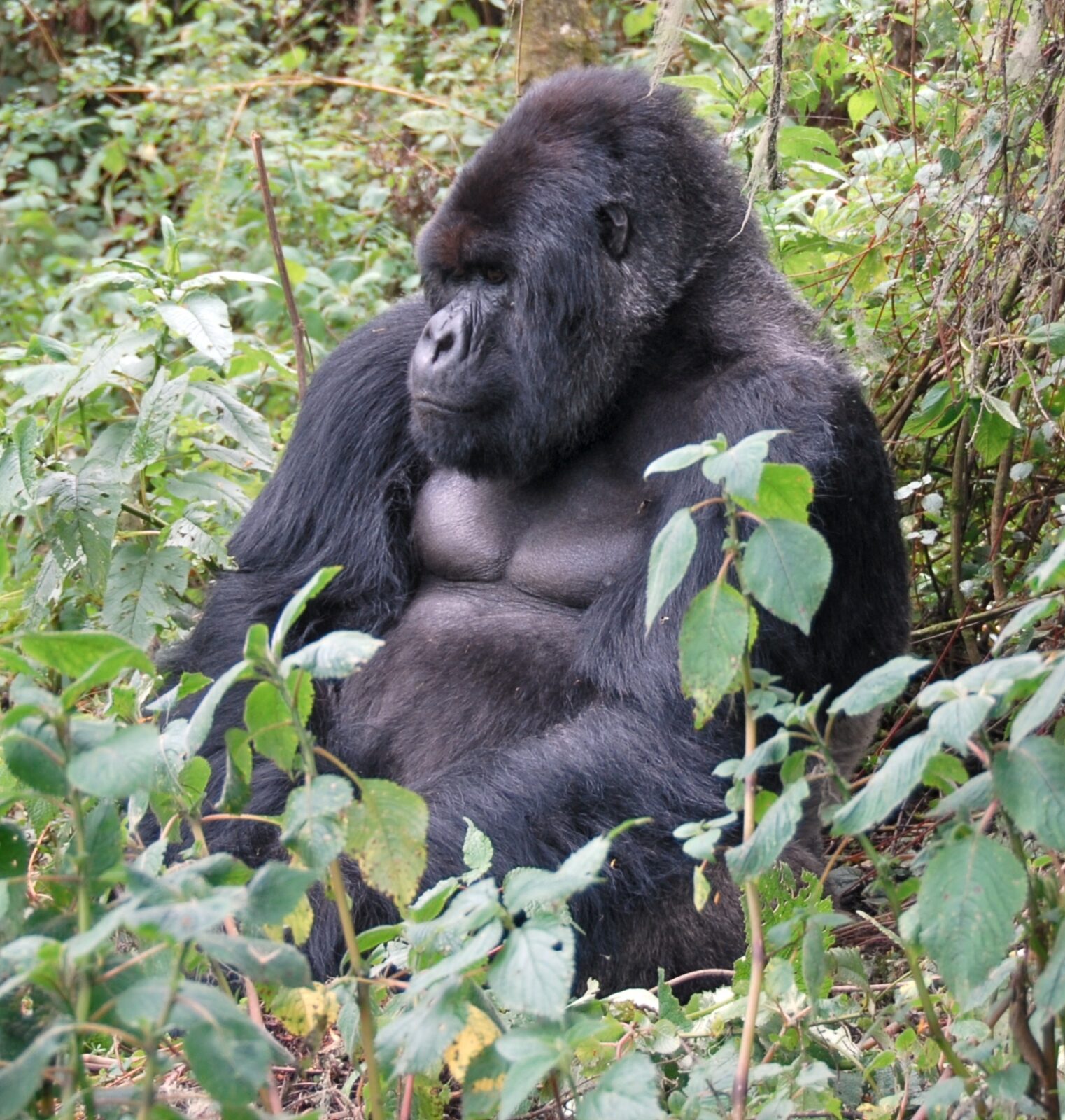
Physical contact with wild animals creates genuine risk of disease transmission in both directions, humans can potentially transmit respiratory illnesses to genetically similar primates like gorillas and chimpanzees, while animals can carry pathogens genuinely dangerous to human health through bites, scratches, or even indirect contact. This bidirectional disease risk represents part of why gorilla trekking maintains strict seven-metre minimum distance requirements, protecting both endangered gorilla populations and visiting travellers from genuine cross-species health risks.
How Touching Disrupts Natural Animal Behaviour
Physical human contact, even when animals appear to tolerate or even seek it, can genuinely disrupt natural wild behaviour patterns, potentially reducing an animal’s appropriate wariness toward humans generally, a change that can prove genuinely dangerous for that animal’s future interactions with less well-intentioned people or with community members living near park boundaries. Wildlife habituated to comfortable human contact sometimes subsequently approaches other humans expecting similar interaction, occasionally leading to genuinely tragic outcomes when that expectation meets a less careful or less patient human response.
The Particular Problem With Selfie Culture
Social media’s genuine influence on travel behaviour has measurably increased incidents of travellers approaching wild animals for close-contact photographs, a pattern wildlife safety organisations have specifically documented and identified as a growing genuine safety concern across popular safari destinations. Recognising this social media pressure as a specific behavioural trap, rather than simply an individual lapse in judgement, helps travellers consciously resist the urge toward risky close-contact photography regardless of how compelling the resulting image might appear.
What Responsible Wildlife Photography Actually Requires
Genuinely impressive wildlife photography doesn’t require dangerous proximity, skilled photographers achieve compelling images through appropriate zoom lenses, patient observation, and understanding of animal behaviour patterns that allow predicting good photographic moments from a safe, appropriate distance. Investing in appropriate photography equipment, or simply adjusting expectations about the kind of images achievable within safe distance parameters, allows travellers to capture genuinely satisfying wildlife photographs without compromising safety or animal welfare.
Baboons, Monkeys, and the “Cute and Harmless” Misconception
Primates encountered near lodges or picnic sites sometimes appear approachable and even endearing, but baboons and monkeys retain genuine capacity for aggressive behaviour, particularly around food, and numerous documented incidents involve travellers sustaining real injury after underestimating these animals’ genuine physical capability and unpredictability. Treating all primates encountered outside formal, guided gorilla or chimpanzee trekking contexts with the same safety distance principles applied to larger wildlife protects against this commonly underestimated risk.
Feeding Wildlife Compounds the Risk
Offering food to wild animals, whether directly by hand or by leaving food accessible near vehicles or accommodation, creates compounding risk beyond touching alone, training animals to associate humans with food access in ways that frequently escalate into aggressive, demanding behaviour toward subsequent visitors. Responsible travellers never feed wild animals under any circumstances, recognising that this seemingly generous gesture carries genuine long-term risk for both future travellers and the animals themselves.
Following Your Guide’s Instructions Without Exception
Experienced safari guides possess genuine, often hard-won understanding of specific animal behaviour patterns and warning signs that inform their real-time safety instructions during game drives and treks, meaning travellers should follow guide direction immediately and without negotiation or hesitation, even when a specific instruction isn’t immediately self-explanatory. This deference to guide expertise reflects genuine respect for specialised knowledge rather than mere procedural compliance, and represents one of the most important safety practices any safari traveller can adopt.
Why Gorilla Trekking Distance Rules Exist Specifically
The seven-metre minimum distance maintained during gorilla trekking reflects carefully considered scientific understanding of disease transmission risk between humans and gorillas’ genetically similar immune systems, alongside behavioural consideration for maintaining gorillas’ appropriate wariness toward unfamiliar humans beyond habituated trekking groups. Travellers planning a Uganda gorilla trekking safari should understand and respect this specific distance requirement as genuinely protective rather than arbitrarily restrictive.
What to Do If an Animal Approaches You
Should a wild animal approach closer than expected during a walking safari, village encounter, or lodge stay, the appropriate response involves remaining calm, avoiding sudden movement, and following guide instruction rather than attempting to touch, feed, or photograph the animal at close range regardless of how unusual or exciting the encounter feels. Backing away slowly while maintaining calm behaviour, rather than either fleeing suddenly or approaching further, represents the generally recommended response guides consistently teach for these situations.
Teaching Children Appropriate Wildlife Boundaries
Families travelling with children face particular responsibility for establishing appropriate wildlife interaction boundaries early and consistently, since children’s natural curiosity and limited risk assessment capacity can create genuine danger if not actively managed through clear parental guidance and consistent reinforcement throughout the trip. Explaining the reasoning behind distance rules, rather than simply issuing restrictions, helps children genuinely internalise appropriate wildlife respect rather than merely complying temporarily under supervision.
The Difference Between Sanctuary Encounters and Wild Settings
Some legitimate wildlife sanctuaries and rehabilitation centres do permit limited, carefully supervised contact with specific animals as part of structured educational or conservation programmes, a genuinely different context from spontaneous contact attempts with wild animals encountered during game drives or treks. Travellers should understand this distinction clearly, recognising that sanctuary-supervised contact, when offered by legitimate, reputable institutions with appropriate animal welfare standards, doesn’t establish general permission for touching wildlife encountered in genuinely wild settings.
Respecting Wildlife as the Foundation of Ethical Safari Travel
Maintaining appropriate distance from wild animals throughout your safari, resisting the temptation toward closer contact regardless of how calm or approachable a specific animal appears, represents a foundational element of genuinely ethical and safe wildlife travel. Approaching every wildlife encounter with this consistent respect for appropriate boundaries ensures your safari experience remains both genuinely safe and genuinely respectful of the wild animals whose natural behaviour and welfare depend on travellers maintaining exactly this kind of appropriate distance.
Why This Matters Beyond Any Single Encounter
Every traveller who resists the urge toward risky close contact, even when a particular moment feels safe or the resulting photograph would be genuinely spectacular, contributes to broader behavioural norms that protect both future travellers and the wild animals whose long-term welfare depends on maintaining healthy wariness toward humans generally. This cumulative effect means individual restraint carries genuine importance extending well beyond any single traveller’s personal safety, reinforcing safer, more respectful wildlife tourism norms across the broader safari industry over time.
Choosing Operators Who Reinforce These Principles
Reputable tour operators and guides consistently reinforce appropriate wildlife distance principles throughout a trip, rather than permitting or encouraging risky close-contact photography opportunities purely to satisfy traveller requests for more dramatic images. Travellers evaluating prospective operators can reasonably treat consistent, genuine safety emphasis around wildlife interaction as a positive indicator of overall operational professionalism and authentic commitment to both traveller safety and animal welfare throughout the trip.
Documented Incidents Worth Learning From
Wildlife safety organisations and national park authorities across East Africa have documented numerous genuine incidents where travellers underestimated animal unpredictability, often involving individuals who had witnessed apparently calm animal behaviour just moments before sustaining injury attempting closer contact or photography. Reviewing this documented pattern, rather than assuming such incidents reflect purely unusual bad luck, helps travellers genuinely internalise that these risks apply broadly rather than representing rare exceptions unlikely to affect their own particular safari experience.
Setting Realistic Expectations Before You Travel
Travellers who arrive with realistic expectations about appropriate wildlife viewing distance, informed in advance rather than discovering these boundaries only through an in-the-moment guide correction, generally adapt more comfortably to safe wildlife viewing practice throughout their trip. Reviewing responsible wildlife interaction guidance before departure, alongside researching your specific chosen operator’s safety record and stated policies, helps ensure your genuine excitement about upcoming wildlife encounters translates into safe, respectful behaviour once those encounters actually occur.