
Karamoja Region Uganda: The Land of the Karimojong Warriors
Karamoja, Uganda’s remote northeastern region bordering Kenya and South Sudan, remains one of the country’s least visited yet most culturally distinctive areas, home to the Karimojong people whose semi-nomadic pastoralist traditions have persisted with remarkable continuity despite the significant social and economic changes reshaping much of the rest of Uganda. Understanding Karamoja’s unique cultural landscape and genuine travel considerations helps interested travellers approach this distinctive region with appropriate context and realistic expectations, particularly given how differently it presents from Uganda’s more widely visited southern and western tourism regions.
Who Are the Karimojong People
The Karimojong are a Nilotic ethnic group whose cattle-centred pastoralist culture has historically organised social structure, wealth, and identity around livestock herding across Karamoja’s semi-arid landscape, a lifestyle sharing deep cultural and linguistic connection with related pastoralist groups across the wider Horn of Africa and East African rift region. This cattle-centred cultural identity, while gradually evolving alongside broader regional development, remains genuinely central to Karimojong social organisation and cultural practice today.
A History of Relative Isolation
Karamoja’s historical geographic remoteness, combined with a prolonged period of regional insecurity related to cattle raiding and disarmament processes through the 2000s and early 2010s, meant the region remained largely disconnected from Uganda’s broader tourism development for many years, a situation that has only gradually begun shifting as regional security has genuinely stabilised in recent years. This historical isolation helps explain why Karamoja remains considerably less developed for tourism than most other Uganda regions, even as interest in visiting has slowly grown.
The Cultural Significance of Cattle
Cattle hold profound cultural, economic, and even spiritual significance within traditional Karimojong society, functioning simultaneously as currency, social status marker, marriage payment (bridewealth), and central subject of cultural expression through song, decoration, and ceremony. Visitors genuinely interested in understanding Karamoja’s culture benefit from appreciating this cattle-centred worldview as foundational context for interpreting much of what they might observe or learn about during a visit, rather than viewing cattle herding merely as an economic activity separate from broader cultural meaning.
Traditional Dress and Adornment
Karimojong traditional dress and body adornment, including distinctive beadwork, scarification patterns, and traditional clothing that varies by age, gender, and social status, represents a visually striking and culturally significant aspect of Karimojong identity that has persisted more strongly in Karamoja than in many other Uganda regions where traditional dress has become more occasional or ceremonial. Travellers should approach these visual cultural markers with genuine respect and appropriate curiosity, recognising their significance within Karimojong cultural continuity rather than treating them purely as photographic subject matter.
Kidepo Valley National Park’s Proximity
Karamoja’s most significant tourism draw for most international visitors remains Kidepo Valley National Park, widely regarded among Africa’s most spectacular yet least visited wilderness areas, whose remote location within Karamoja means most travellers experience the region primarily through the lens of reaching this exceptional park rather than dedicated cultural tourism in its own right. This connection between Kidepo’s wildlife appeal and Karamoja’s cultural landscape offers genuinely interested travellers a meaningful opportunity to combine wildlife viewing with authentic cultural learning during the same regional visit.
Responsible Cultural Visits to Karimojong Communities
Travellers interested in visiting Karimojong communities should do so through established, respectful arrangements, ideally facilitated by knowledgeable local guides with genuine community relationships, rather than attempting informal, unplanned visits that risk causing genuine cultural disruption or discomfort for community members. Responsible cultural tourism in Karamoja, conducted with appropriate community partnership and genuine respect, can provide meaningful mutual benefit, but requires considerably more thoughtful planning than more established Uganda cultural tourism circuits, including advance coordination with community leaders and a genuine willingness to follow local guidance about what kinds of interaction and photography feel appropriate.
Current Development Challenges
Karamoja continues facing genuine development challenges including limited infrastructure, periodic food security concerns related to the region’s semi-arid climate, and ongoing social transition as traditional pastoralist lifestyle increasingly intersects with broader economic and educational change across the region. Understanding these genuine contemporary challenges, alongside appreciating Karamoja’s rich cultural heritage, helps travellers approach the region with realistic, well-rounded understanding rather than viewing it purely through a romanticised cultural tourism lens disconnected from genuine contemporary circumstances.
Practical Considerations for Visiting Karamoja
Travellers planning to visit Karamoja, whether primarily for Kidepo Valley National Park or for broader cultural interest, should arrange transport, accommodation, and any community visits well in advance given the region’s limited tourism infrastructure compared to more established Uganda destinations, ideally working with an experienced tour operator familiar with genuinely current regional conditions. This advance planning proves considerably more important in Karamoja than in more heavily visited Uganda regions where tourism infrastructure and spontaneous options remain more readily available.
How Karamoja Fits Into a Broader Uganda Itinerary
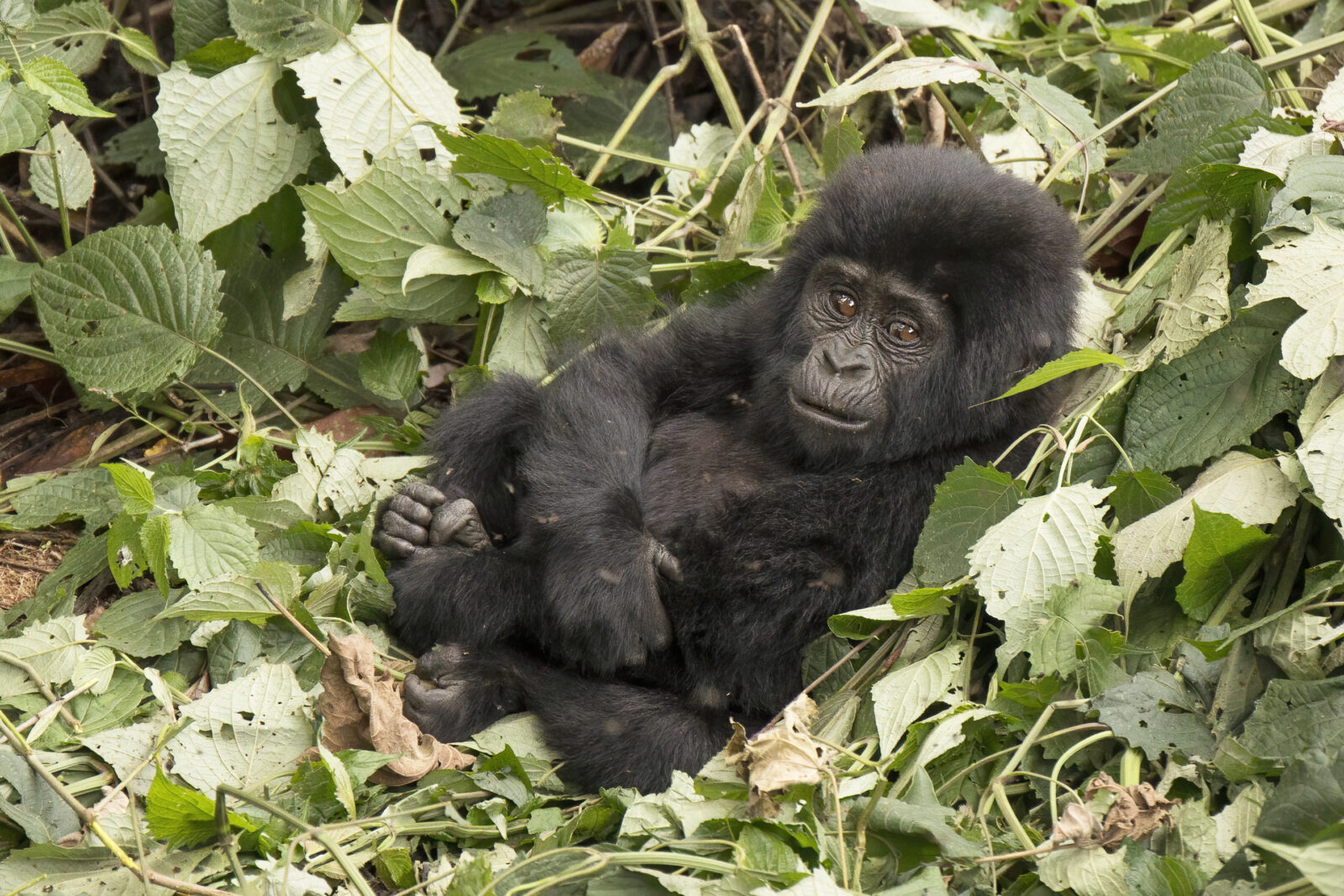
Given Karamoja’s remote northeastern location, most travellers incorporate the region into a broader Uganda itinerary specifically built around Kidepo Valley National Park, sometimes combined with a Uganda gorilla trekking safari or broader wildlife circuit elsewhere in the country, rather than visiting Karamoja as an isolated standalone destination. Travellers planning a Uganda gorilla trekking safari interested in extending their trip to include Karamoja’s distinctive cultural and wildlife landscape should discuss this addition with their tour operator during initial itinerary planning, given the additional logistics this remote region’s inclusion genuinely requires.
Why Karamoja Rewards Genuinely Curious Travellers
Travellers willing to invest the additional planning effort Karamoja’s remoteness requires generally find the region offers a genuinely distinctive Uganda experience, encountering a culture and landscape considerably less shaped by mainstream tourism development than much of the rest of the country, alongside Kidepo Valley’s exceptional and comparatively uncrowded wildlife viewing. This combination of authentic cultural encounter and genuine wilderness experience makes Karamoja a genuinely rewarding, if logistically demanding, addition for travellers whose Uganda interests extend beyond the country’s more established tourism circuits.
Approaching Karamoja With Appropriate Cultural Sensitivity
Given Karamoja’s relative isolation from mainstream tourism development, travellers visiting the region carry particular responsibility for approaching Karimojong communities with genuine cultural sensitivity, respectful photography practices, and awareness that their visit represents a comparatively unusual encounter for communities not yet extensively shaped by regular tourism contact. This heightened responsibility reflects Karamoja’s distinctive position within Uganda’s broader tourism landscape, and approaching visits with this genuine awareness helps ensure Karamoja’s gradually developing tourism sector grows in ways that genuinely benefit and respect local communities.
The Region’s Distinctive Landscape
Beyond its cultural significance, Karamoja’s landscape itself differs strikingly from much of the rest of Uganda, its semi-arid savanna, dramatic rocky outcrops, and expansive open horizons creating a visual character genuinely distinct from the lusher, more densely vegetated landscapes travellers typically associate with Uganda’s better-known southern and western regions. This distinctive terrain, shaped by the region’s lower rainfall and different ecological character, contributes to Kidepo Valley National Park’s reputation for landscape photography and scenery considered among the most dramatic anywhere in East Africa.
Language and Communication Considerations
Karamoja’s Karimojong communities primarily speak Ngakarimojong, a language distinct from the Bantu languages more widely spoken across southern Uganda, meaning travellers relying on basic Luganda phrases learned elsewhere in the country will find limited application within Karamoja specifically. Working with local guides who speak both Ngakarimojong and English, and who can genuinely facilitate meaningful communication and cultural interpretation during community visits, proves particularly valuable given this linguistic distinction from much of the rest of Uganda’s tourism circuit.
Seasonal Timing Considerations for Karamoja
Karamoja’s semi-arid climate creates meaningfully different seasonal travel considerations than Uganda’s wetter regions, with the dry season generally offering more reliable road conditions and easier travel logistics throughout this remote region, while wet season travel can present genuine additional transport challenges given the region’s limited paved infrastructure. Travellers should factor these seasonal considerations into trip timing, ideally coordinating with a knowledgeable tour operator who understands current regional road and weather conditions when planning a Karamoja visit.
Karamoja’s Gradually Evolving Tourism Sector
As regional security has genuinely stabilised over recent years, Karamoja has seen gradual, still-limited tourism infrastructure development, additional accommodation options, improved road access toward Kidepo Valley, and growing interest from tour operators in offering thoughtfully designed cultural and wildlife experiences combining the region’s distinctive attractions. This gradual development, while still leaving Karamoja considerably less accessible than Uganda’s established tourism circuits, suggests genuinely growing opportunity for travellers interested in experiencing this distinctive region before it potentially sees more substantial tourism growth in coming years.
What Makes Karamoja Worth the Extra Effort
For travellers weighing whether Karamoja’s additional logistical demands genuinely justify inclusion in an already complex Uganda itinerary, the region’s combination of exceptional, comparatively uncrowded wildlife viewing at Kidepo Valley National Park alongside genuinely distinctive cultural encounter with Karimojong communities offers an experience meaningfully different from anything available elsewhere in the country. This distinctiveness, though it demands more planning and patience than more established destinations, represents precisely the kind of genuinely authentic, less-travelled experience that increasingly appeals to travellers seeking something beyond Uganda’s more conventional tourism offerings, and one that rewards those willing to venture beyond the country’s more familiar southern and western tourism circuits with memories genuinely distinct from a standard safari itinerary.