
Safari Etiquette: 15 Rules Every First-Timer Should Know
First-time safari travellers genuinely benefit from clearly understanding established safari etiquette conventions well before their trip begins, unwritten but genuinely widely observed guidelines that shape respectful, appropriate behaviour during wildlife viewing, gorilla trekking, and broader interaction with guides and local communities throughout their entire journey. Understanding these conventions genuinely helps travellers approach their safari with real confidence, avoiding common first-timer missteps that experienced travellers instinctively and quietly navigate.
Why This Guidance Deserves Attention Before Departure
Reading through safari etiquette guidance before departure, rather than attempting to absorb these conventions only once your trip has already begun, gives travellers genuine time to internalise these principles thoughtfully rather than scrambling to learn them reactively during actual wildlife encounters when attention should remain focused on the experience itself. This advance preparation, requiring only modest reading time, pays genuine dividends in confidence and appropriate behaviour throughout your entire trip and every activity it includes.
Always Follow Your Guide’s Instructions Immediately
Perhaps the single most important safari etiquette rule of all involves following your guide’s instructions immediately and without negotiation, since guides genuinely possess considerable expertise regarding animal behaviour and safety considerations that directly inform their real-time direction, even when a specific instruction isn’t immediately self-explanatory to inexperienced, unfamiliar travellers. This deference reflects appropriate, genuine respect for specialised expertise rather than merely rote procedural compliance for its own sake.
Maintain Appropriate Silence During Wildlife Viewing
Experienced safari travellers genuinely understand that maintaining relative quiet during actual wildlife encounters specifically, avoiding loud conversation, sudden exclamation, or unnecessary noise generally, genuinely improves the viewing experience for everyone sharing the vehicle while also genuinely respecting animals’ natural behaviour patterns that excessive human noise can meaningfully disrupt. This quiet observation etiquette, while genuinely requiring some restraint from naturally excited, enthusiastic travellers, represents a fundamental safari behavioural expectation genuinely worth internalising well before your trip actually begins.
Never Feed or Attempt to Touch Wild Animals
Regardless of how genuinely calm or approachable a specific animal might appear, feeding or attempting physical contact with wildlife represents a genuinely serious etiquette violation carrying real safety risk and potential harm to the animals themselves and others nearby, a rule that genuinely applies without exception throughout any legitimate, responsible safari experience. Understanding this boundary as genuinely absolute, rather than merely situational, helps travellers avoid this particularly serious, genuinely consequential etiquette breach.
Respect Photography Boundaries and Ask Before Photographing People
Photographing local community members, particularly during village visits or genuine cultural encounters, genuinely requires explicit permission rather than any assumed, unspoken consent, a courtesy that genuinely reflects basic respect for individual dignity regardless of how compelling a potential photograph might otherwise seem. This permission-seeking etiquette genuinely extends to children specifically as well, who genuinely require parental or guardian consent rather than their own agreement alone.
Dress Appropriately for Cultural Sensitivity
Safari etiquette genuinely extends well beyond wildlife viewing into appropriate dress consideration during cultural visits and community interactions, generally favouring more modest, culturally sensitive clothing choices than might feel necessary purely for practical wildlife viewing purposes alone. Researching appropriate dress expectations for specific cultural encounters included in your itinerary helps ensure respectful presentation throughout these interactions.
Arrive Punctually for Scheduled Activities
Punctuality represents a genuine safari etiquette expectation, particularly for time-sensitive activities like gorilla trekking briefings with fixed starting times affecting an entire trekking group, meaning travellers should genuinely prioritise arriving on time rather than treating scheduled departure times as flexible suggestions. This punctuality respects both your guide’s planning and your fellow travellers’ shared experience.
Avoid Excessive Vehicle Noise and Movement
Beyond verbal quiet, safari etiquette includes minimising excessive physical movement within safari vehicles during wildlife viewing, since sudden movements can startle animals or obstruct fellow travellers’ viewing angles, meaning experienced travellers move deliberately and considerately when adjusting position for photography or observation. This physical awareness, alongside verbal quiet, contributes to the overall respectful wildlife viewing atmosphere experienced safari groups maintain.
Tip Appropriately and According to Local Convention
Understanding appropriate tipping conventions for guides, porters, and other service providers represents genuine safari etiquette knowledge worth researching before your trip, since tipping expectations and appropriate amounts follow established regional conventions that first-time travellers might not automatically know without specific guidance. Discussing appropriate tipping amounts with your tour operator before your trip helps ensure you tip appropriately according to genuine local convention.
Respect Gorilla Trekking’s Specific Rules Absolutely
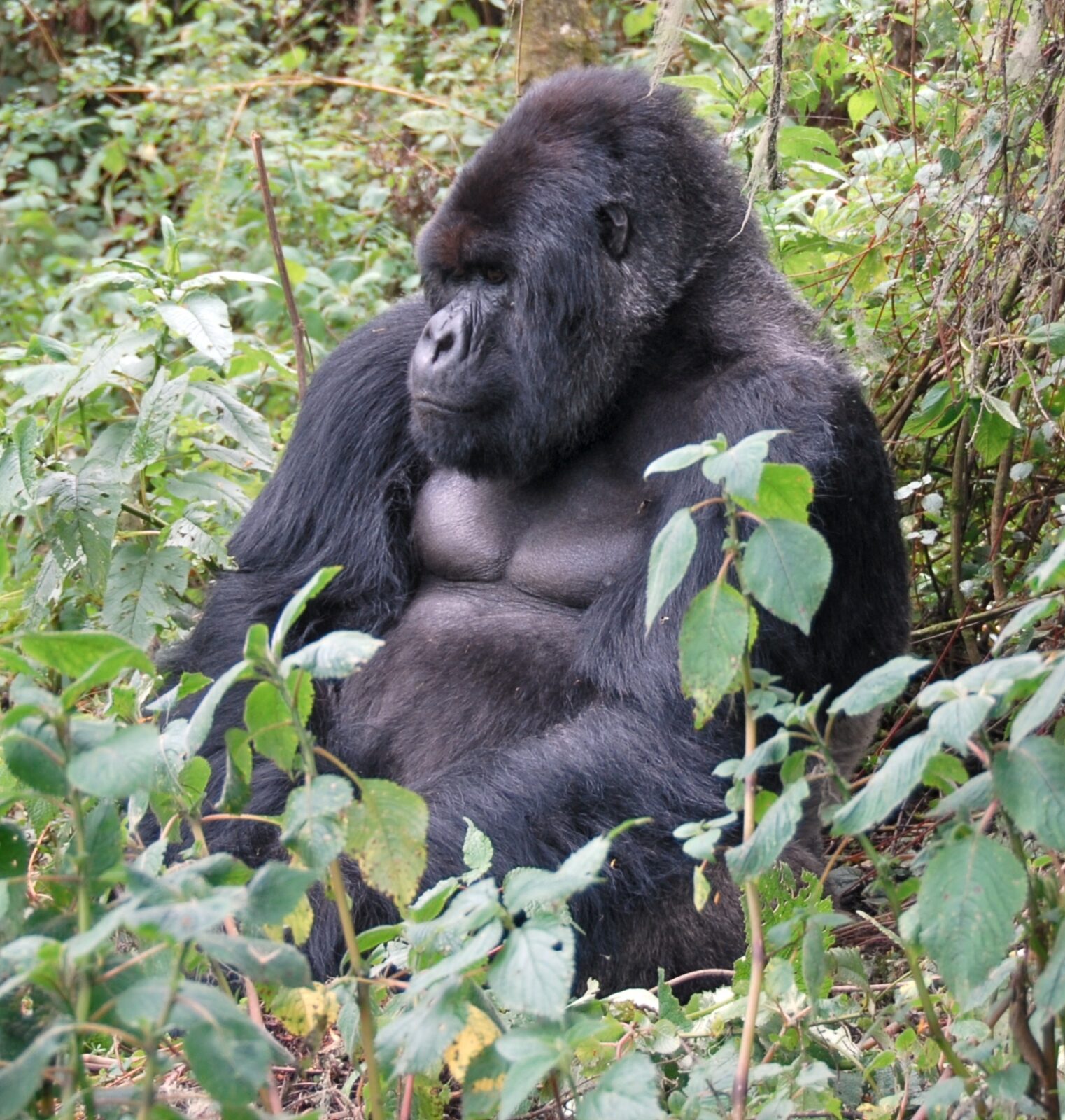
Gorilla trekking involves particularly strict etiquette rules, including the mandatory seven-metre minimum distance, prohibition on flash photography, and requirements to stay quiet and avoid sudden movement, rules that exist for genuine scientific and safety reasons rather than arbitrary restriction. Understanding and respecting these specific rules absolutely, without exception or negotiation, represents essential etiquette for this particular activity.
Don’t Pressure Guides for Guaranteed Sightings
Experienced safari travellers understand that wildlife viewing, despite skilled guide expertise, cannot guarantee specific sightings given wild animals’ genuinely unpredictable movement and behaviour, meaning pressuring guides for guaranteed encounters represents poor etiquette reflecting misunderstanding of wildlife tourism’s inherent nature. Approaching each game drive or trek with appropriate patience and realistic expectations reflects more experienced, respectful safari engagement.
Support Local Communities Through Appropriate Purchasing
When purchasing crafts or souvenirs from local vendors or community cooperatives, engaging respectfully in any appropriate negotiation while ultimately paying fair prices reflecting genuine value represents good safari etiquette, rather than aggressive haggling purely to minimise cost regardless of fair value considerations. This approach genuinely supports local economic benefit from tourism rather than purely extracting maximum personal savings.
Avoid Littering and Respect Park Environments
Basic environmental etiquette, packing out all waste, avoiding littering, and generally respecting park environments as the genuinely precious wilderness they represent, applies throughout any legitimate safari experience, a baseline expectation experienced travellers observe without requiring explicit reminder. This environmental respect reflects broader appropriate engagement with the wildlife destinations your safari allows you to experience.
Be Patient and Flexible With Itinerary Changes
Safari itineraries sometimes require flexibility given weather, road conditions, or wildlife movement patterns, meaning experienced travellers approach necessary itinerary adjustments with patience and understanding rather than frustration, recognising that these changes typically reflect genuine practical necessity rather than poor planning. This flexible mindset represents mature, experienced safari travel etiquette worth adopting before your trip begins.
Bringing This Etiquette Knowledge to Your Trip
Understanding these fifteen essential safari etiquette conventions helps first-time travellers approach their Uganda gorilla trekking safari with genuine confidence, avoiding common missteps while demonstrating respectful engagement with wildlife, guides, and local communities throughout their journey. This preparation transforms uncertain first-timer anxiety into informed, respectful confidence that enhances your overall safari experience.
Why Etiquette Matters Beyond Simple Politeness
Safari etiquette conventions genuinely extend beyond simple social politeness into meaningful practical significance, since many of these rules directly protect wildlife welfare, support genuine conservation objectives, and ensure fellow travellers’ shared experience remains positive rather than compromised by inconsiderate individual behaviour. Understanding this deeper significance, rather than viewing etiquette as arbitrary social convention, helps travellers internalise these guidelines as genuinely meaningful rather than merely performative politeness.
How Etiquette Differs Slightly Between Activities
While core safari etiquette principles apply broadly across different activities, travellers should understand that specific expectations sometimes vary meaningfully between gorilla trekking, savanna game drives, and cultural village visits, meaning genuinely attentive travellers pay close attention to activity-specific guidance their guides provide at the start of each distinct experience. This adaptability, rather than assuming identical etiquette rules apply uniformly everywhere, reflects genuinely sophisticated safari travel awareness.
Setting a Good Example for Fellow Travellers
Experienced safari travellers who understand and consistently practice these etiquette conventions often play a genuinely valuable role modelling appropriate behaviour for fellow group members who might not have previously considered these guidelines, gently reinforcing good practice through their own example rather than through explicit correction of others. This peer influence, offered naturally rather than with any sense of superiority, helps spread awareness of respectful safari etiquette more effectively than formal guide briefings alone typically achieve.
Learning From Mistakes Without Excessive Self-Criticism
First-time travellers who inadvertently commit a minor etiquette misstep, speaking slightly too loudly during a wildlife encounter or forgetting to ask before photographing someone, should approach this learning moment with reasonable grace rather than excessive self-criticism, since even experienced safari travellers occasionally make similar minor errors before fully internalising these conventions. Approaching etiquette learning as a gradual, forgiving process, rather than demanding immediate perfection, helps first-timers genuinely relax into their trip rather than experiencing unnecessary anxiety about potential missteps.
A Genuinely Worthwhile Foundation Before You Travel
Ultimately, investing time in understanding these fifteen safari etiquette conventions before your trip begins represents genuinely worthwhile preparation, transforming what could otherwise involve uncertain guesswork about appropriate behaviour into confident, informed engagement with your guides, fellow travellers, wildlife, and the communities you’ll encounter throughout your journey. This foundational preparation, combined with a genuine willingness to remain attentive and adaptable throughout your actual trip, sets first-time travellers up for the kind of respectful, rewarding safari experience that distinguishes thoughtful travellers from those who arrive without this important groundwork already in place.