
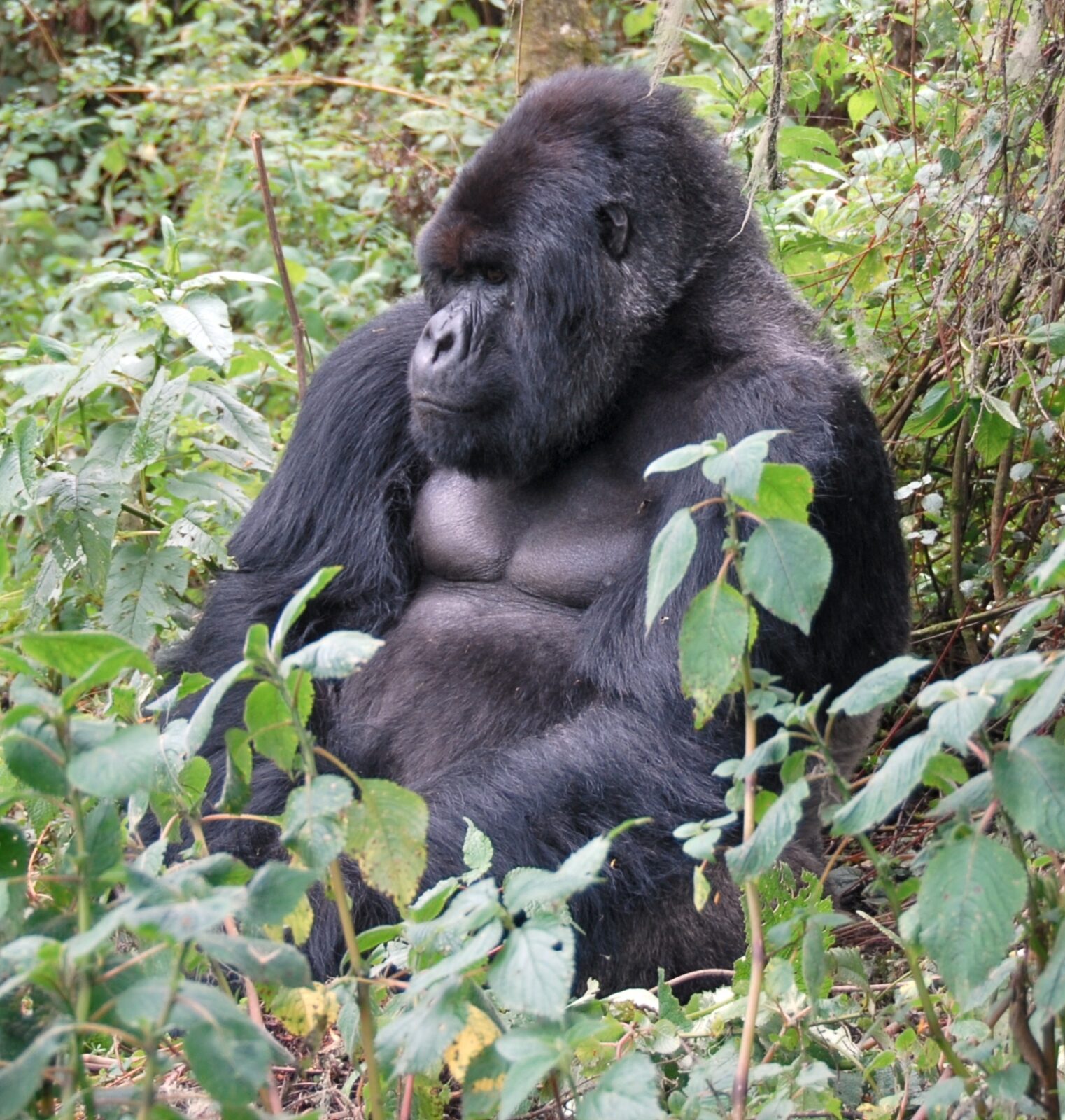
Retirement removes the one constraint that shapes most people’s travel their entire working life: a fixed, limited amount of time off. A gorilla safari retirement trip takes advantage of that shift in a way few other destinations reward quite as well, and planning one properly means thinking differently about pacing, budget, and scope than a typical two-week holiday ever allowed.
The Advantage Nobody Plans Around Enough: Time
This is worth dwelling on, because it changes decisions throughout the entire trip, not just the headline pace. A missed connection or a weather delay that would throw a tightly scheduled working-life holiday into chaos becomes a minor inconvenience when there’s no fixed return-to-work date pressing against it. That single shift in mindset, more than any specific itinerary choice, is what makes a retirement trip feel genuinely different from the trips that came before it.
Most working travellers compress a gorilla trek into the tightest itinerary that still fits around annual leave – fly in, trek, fly out, all inside a week or two. Retirement removes that pressure entirely. There’s no particular reason to rush a trip you’ve spent decades imagining, and trekkers who take their time – adding rest days, extending into a second country, staying an extra few nights wherever they enjoy it most – consistently describe the trip as more satisfying than a compressed version of the same itinerary.
Turning One Trek Into a Genuine East Africa Journey
It’s worth sitting down with a map, rather than a fixed pre-built package, and genuinely asking what you’ve always wanted to see across the wider region, then working backward to a sensible route. Some retirees have been dreaming of the Rwenzori foothills or a Nile boat cruise at Murchison Falls for decades; others simply want the gorillas and a slow, quiet finish to the trip. Both are entirely valid ways to use the freedom retirement travel provides – the point is building the itinerary around what you actually want, not what a standard package happens to include by default.
With time no longer the binding constraint, a retirement trip is a natural opportunity to see more than the gorillas alone. Combining Uganda and Rwanda, adding a wildlife safari through Queen Elizabeth or Murchison Falls National Park, or extending into a relaxed stay by Lake Kivu or Lake Bunyonyi turns a single trek into a proper multi-week journey. This kind of extended itinerary is exactly what a lifetime of careful planning and saving is for.
Fitness Preparation Deserves Real Attention, Not an Afterthought
Retirement often arrives at an age where fitness genuinely does need more deliberate preparation than it did decades earlier, and pretending otherwise does nobody any favours. Several weeks of consistent walking practice beforehand, honest footwear, and a direct conversation with your operator about pacing and sector difficulty make a real difference. Porters are worth budgeting for without hesitation – there’s no reason to push through discomfort on a trip meant to be enjoyed rather than endured.
Budgeting a Trip That’s Been a Long Time Coming
It helps to think of this trip’s budget in a genuinely different category from routine annual travel spending, rather than judging it against what a normal two-week holiday might cost. Trekkers who’ve spent years anticipating this specific trip often find it easier to justify a habituation permit, a genuinely excellent lodge, or an extra week added to the itinerary once they frame the spend as a once-in-a-lifetime allocation rather than comparing it line by line to an ordinary vacation budget.
Retirement trips are often funded differently than routine travel – drawing on savings set aside specifically for this stage of life, rather than squeezed out of a working budget. That changes the calculation around what’s worth spending on. A longer trip, a better lodge, a habituation permit instead of a standard trek, or a second country entirely all become more reasonable when weighed against years of saving rather than a single annual leave allocation.
Choosing Between Uganda and Rwanda With No Time Pressure
The absence of a hard deadline also means you can afford to be more flexible about weather and timing than a working traveller locked into fixed annual leave dates. If your first choice of week looks likely to bring heavy rain, or if a preferred sector’s permits are unexpectedly full, retirement travel gives you room to shift by a week or two rather than being forced to accept whatever’s left for a fixed, immovable travel window.
Without a tight schedule forcing a single-country decision, many retirement trekkers simply do both – Uganda for its lower permit cost and varied sectors, Rwanda for its shorter drive times from Kigali and well-established luxury lodge scene. Doing both across one extended trip, rather than choosing one and wondering about the other, is one of the clearer advantages of planning with genuine flexibility.
Making Room for Rest, Not Just Movement
This is worth saying plainly because it goes against decades of habit for most people approaching retirement: a full, busy day was the default mode of travel for most of your working life, since time off was scarce enough to feel obligated to use every hour of it. Retirement travel doesn’t carry that same scarcity, and permission to have a genuinely quiet, unscheduled day without guilt is one of the harder adjustments some retirees report making, even when they know intellectually that the time is theirs to spend however they choose.
A common mistake, even among retirees with plenty of time, is filling every day of an extended trip with movement – a new location, a new activity, constantly. Building in genuine rest days, particularly around the physically demanding trek day itself, tends to make the whole trip more enjoyable rather than less, and there’s no working-life pressure left to justify skipping that rest in favour of cramming in more.
What an Extended Retirement Itinerary Might Actually Include
Freed from the constraint of a fixed return date, a genuinely open retirement itinerary might combine a Uganda trek in Bwindi with several days of wildlife viewing in Queen Elizabeth or Murchison Falls National Park, a border crossing into Rwanda for a second trek in Volcanoes National Park, a few relaxed days on Lake Kivu or Lake Bunyonyi, and a cultural stop in Kigali or Kampala before flying home. Stitched together with working-life time constraints in mind, a trip like this would feel rushed and exhausting. Stitched together without that constraint, it becomes something closer to the trip of a lifetime rather than a compressed highlight reel.
It’s worth resisting the temptation to fill every one of those extra days with a new activity simply because the time exists. A retirement trip is one of the few times travel doesn’t need to justify itself against a limited number of vacation days, and treating a slower pace, a longer stay in one place, or an entirely unplanned day as equally valid choices – not wasted opportunities – is part of what makes this stage of travel genuinely different from what came before it.
Health and Insurance Considerations Worth Taking Seriously
A longer, more physically varied trip deserves a correspondingly thorough approach to travel insurance and pre-trip health preparation. Beyond the standard advice about medical evacuation cover for the trek itself, an extended multi-week itinerary is worth discussing with a doctor familiar with your specific health history well before departure, particularly regarding altitude, sustained physical activity across multiple days, and any medication schedules that need to travel well across a longer trip than most policies and routines are built around.
Frequently Asked Questions
Is there an upper age limit for gorilla trekking?
No formal upper limit exists. Trekkers in their seventies and beyond complete treks regularly, with the right sector choice, porter support, and honest fitness preparation.
How long should a retirement gorilla trip realistically be?
There’s no fixed answer, but two to three weeks is common for trekkers combining gorilla trekking with a broader East Africa itinerary, allowing for rest days without feeling rushed.
Should retirement trekkers consider a habituation permit over a standard one?
It’s worth considering, given the extra time and typically larger budget available at this stage. A habituation permit offers up to four hours with a family rather than one, for those who want a deeper, more immersive experience.
Is it worth travelling with a group of retired friends rather than as a couple?
Both work well. Group travel among retired friends can share costs on private vehicles and larger accommodation, while a couple travelling alone has more flexibility to adjust pace and itinerary on the fly. The right choice depends more on your travel companions’ compatibility than any inherent advantage of either arrangement.
Does an extended retirement trip need a different kind of travel insurance?
Often, yes. A single-trip policy built for a standard two-week holiday may not adequately cover a multi-week itinerary across several countries, so it’s worth specifically confirming your policy covers the full duration and scope of an extended trip rather than assuming standard cover applies.
For fitness-specific guidance, this guide to gorilla safaris for over 60s is worth reading closely, alongside this Rwanda versus Uganda comparison if you’re weighing up doing both countries. This full cost breakdown is a sensible starting point for budgeting an extended retirement itinerary.