
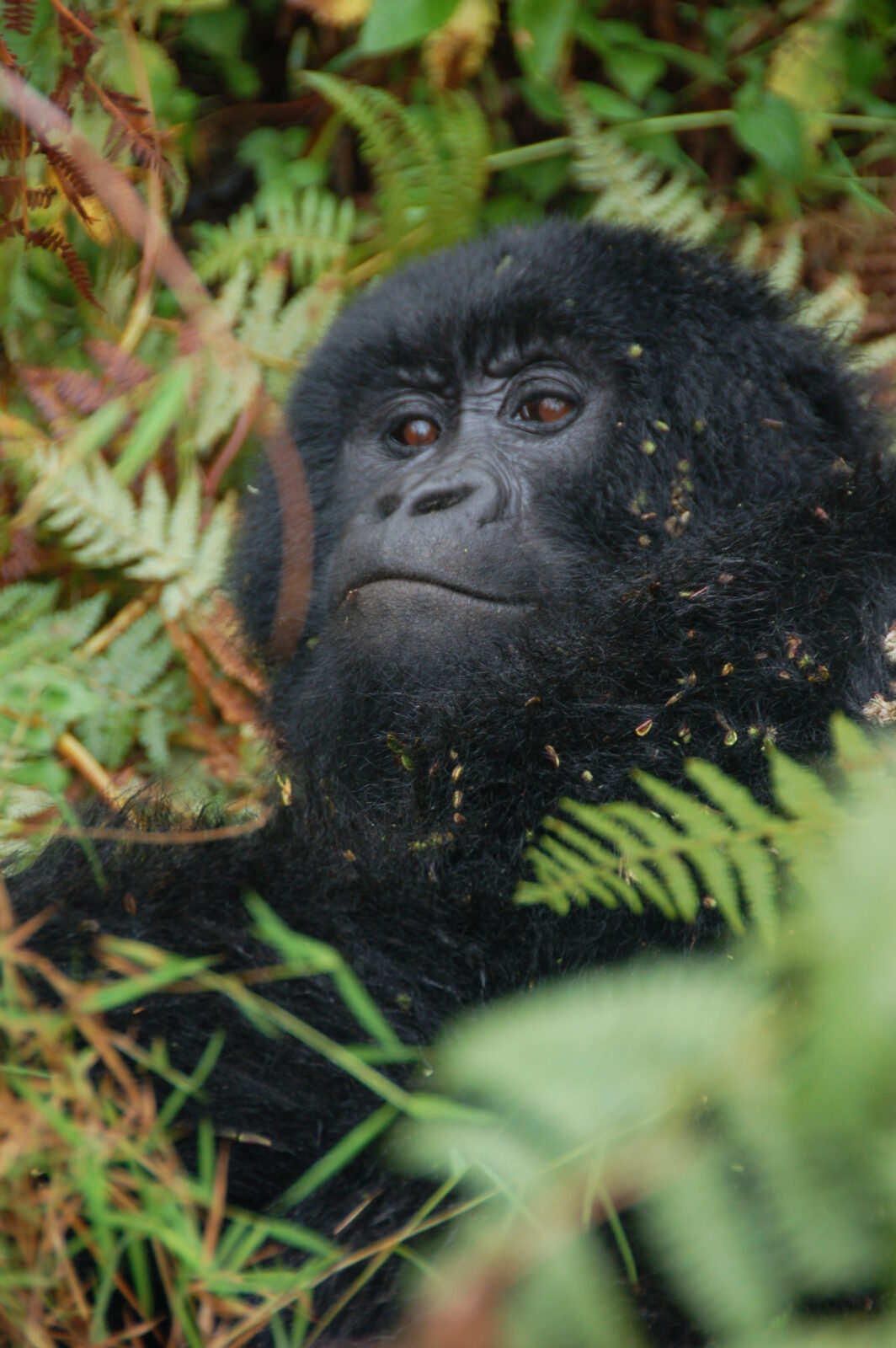
Mgahinga Gorilla National Park sits in the far southwestern corner of Uganda, smaller and far less visited than Bwindi, and that lower profile leads a lot of researchers to assume it must carry a different price tag too. How much does a gorilla permit cost in Mgahinga Gorilla National Park has a precise answer worth knowing clearly, along with the genuinely important context of what makes Mgahinga’s pricing identical to Bwindi’s despite the two parks feeling so different on the ground.
This guide covers the standard fee, why it matches Bwindi’s rather than undercutting it, and the realistic full trip budget for a Mgahinga-based trek.
The Standard Permit Fee
Uganda Wildlife Authority applies one national gorilla permit price across both of the country’s gorilla trekking parks, so Mgahinga’s foreign non-resident rate is identical to Bwindi’s, priced in US dollars and reviewed periodically. Because this figure genuinely does shift over a multi-year horizon, it’s worth confirming the current exact number with a licensed operator or UWA directly at booking time rather than trusting any single published figure, this article included.
Foreign residents and East African Community citizens pay reduced tiers under the same national structure that applies at Bwindi, with no separate Mgahinga-specific pricing category anywhere in the system.
Why Mgahinga Doesn’t Cost Less Despite Being Smaller
It’s a genuinely common assumption that a smaller, quieter, less-visited park should cost less to visit, the way a boutique hotel sometimes charges less than a flagship one. Gorilla permit pricing doesn’t follow that logic at all — the cost reflects the conservation and ranger infrastructure required to protect a single habituated family, not the overall scale or visitor volume of the park hosting it.
Mgahinga’s single habituated family, the Nyakagezi group, requires essentially the same ranger presence, tracking effort, and veterinary monitoring as any one of Bwindi’s many habituated families, which is precisely why the national pricing structure treats every permit the same regardless of which specific park or family it’s booked for.
What the Fee Actually Funds at Mgahinga
Ranger salaries, anti-poaching patrols across Mgahinga’s volcanic slopes, veterinary care for the Nyakagezi family, and community revenue-sharing with villages bordering the park are all funded through permit revenue here just as they are at Bwindi. Mgahinga’s conservation challenges are, if anything, distinct from Bwindi’s — the park’s location directly on the border with Rwanda and DRC brings its own cross-border patrol considerations that permit revenue helps address.
What’s Included and What Isn’t
Your permit covers a reserved slot with the Nyakagezi family on a specific date, park entry for that day, and your ranger guide and tracking team who locate the family before your group sets out. It does not cover transport to Mgahinga, accommodation, meals, porters, or tips — all separate costs a first-time trekker needs to budget for alongside the permit rather than assume are bundled in.
Mgahinga’s terrain, with its volcanic slopes and occasionally steeper trekking routes than parts of Bwindi, makes a porter a genuinely useful addition for many trekkers, not simply a nice-to-have, and it’s worth budgeting for one specifically rather than deciding on the spot.
First-time trekkers sometimes assume, understandably, that a permit priced this high must bundle in the whole day’s experience. It doesn’t, and getting clear on that distinction before you book prevents an unwelcome gap between what you expected and what a full quote from your operator actually needs to add on top of the permit line itself.
What a Typical Mgahinga Trekking Day Looks Like
Trekkers gather at the park headquarters early in the morning for a briefing from UWA rangers covering trekking etiquette, safety guidelines, and the minimum viewing distance rules, before setting off with the tracking team’s guidance toward the Nyakagezi family’s most recent known location. Because Mgahinga’s volcanic terrain rises more steeply in places than parts of Bwindi, the trek itself can take anywhere from one to several hours each way depending on where the family has moved overnight, followed by the standard one-hour viewing window once the group arrives.
Mgahinga’s One Habituated Family: A Real Practical Consideration
Unlike Bwindi, which spreads visitors across numerous habituated families in four sectors, Mgahinga currently has just one habituated family available for standard trekking. This doesn’t change the permit price, but it does mean daily permit availability is far more limited than at Bwindi, and booking well in advance matters even more here than it does for a Bwindi trek.
How Mgahinga Compares to Rwanda and Congo on Price
Uganda’s national permit price, Mgahinga included, sits meaningfully below Rwanda’s Volcanoes National Park pricing, and generally above the historically lower (though more variable) pricing in Congo’s Virunga National Park. For trekkers weighing multiple countries primarily on cost, Mgahinga offers the same budget advantage as Bwindi does over Rwanda, with the added appeal of gorilla trekking and golden monkey tracking both being possible in the same compact park.
What Else You’ll Spend Alongside the Permit
Mgahinga sits close to Kisoro town, which functions as the practical accommodation and logistics base for most trekkers here, similar to how it serves Bwindi’s southern sectors. Transport from Kisoro, a night or two of accommodation, a porter, and tips for your ranger and tracking team all add to the permit as part of a realistic full-day budget. As a rough guide, treating the permit as roughly a third to half of your total single-day cost, once these other elements are included, sets more accurate expectations than looking at the permit price alone.
Booking Timing Given Mgahinga’s Limited Availability
Because Mgahinga offers meaningfully fewer daily permit slots than Bwindi given its single habituated family, booking early is worth prioritising even more here. Once your permit is confirmed, its price is locked in for your specific booking regardless of any subsequent general price adjustment announced afterward — the same protection that applies to a Bwindi booking.
Combining Mgahinga With Golden Monkey Tracking
A detail worth knowing when budgeting your Mgahinga trip: the park also offers golden monkey tracking, priced and permitted entirely separately from the gorilla permit. Many trekkers based in Mgahinga combine both activities across two days, and it’s worth budgeting for the golden monkey permit as its own distinct line item rather than assuming any bundling with your gorilla permit.
Golden monkey tracking is a meaningfully cheaper permit than the gorilla trekking fee, and many trekkers find the shorter, less physically demanding golden monkey experience a genuinely worthwhile add-on rather than a major additional expense. Since both activities operate from the same park headquarters, combining them adds relatively little logistical complexity to an already-planned Mgahinga trip.
Mgahinga as Part of a Volcanoes Trilogy Itinerary
Mgahinga sits within the same broader Virunga volcanic range that spans into Rwanda and Congo, and some more adventurous itineraries combine it with a Rwanda or Congo leg for travellers interested in seeing how the three countries’ approaches to gorilla tourism differ, from Uganda’s accessible mid-range pricing to Rwanda’s premium positioning. Each leg of a trip like this requires its own separately priced and booked permit, but the geographic proximity of the three countries’ parks makes the combination more logistically realistic than it might first appear.
Given how frequently these two questions come up together in planning conversations, it’s worth remembering both permits are booked and confirmed entirely separately, even when a single operator arranges both as part of one combined itinerary on your behalf.
Frequently Asked Questions
Is the Mgahinga permit price different from Bwindi’s?
No — Uganda applies one national gorilla permit price across both parks, so Mgahinga costs exactly the same as Bwindi for the equivalent standard permit.
Why does Mgahinga have only one habituated family?
Habituating a gorilla family for tourism is a slow, careful process, and Mgahinga’s smaller gorilla population and more recent trekking programme compared to Bwindi’s mean fewer families have been habituated there to date.
Should I book my Mgahinga permit further in advance than a Bwindi one?
Generally yes — with only one habituated family and correspondingly fewer daily slots, Mgahinga permits can sell out faster relative to demand than Bwindi’s wider spread across multiple sectors and families.
Can I combine a Mgahinga gorilla trek with Bwindi in one trip?
Yes, and many itineraries do exactly this, given the two parks’ relative proximity via Kisoro — though each requires its own separately booked and priced permit.
Does Mgahinga’s permit cover golden monkey tracking too?
No — golden monkey tracking requires its own separate permit and is priced and booked independently of the gorilla trekking permit, even though both activities operate from the same park headquarters.
Is a Mgahinga trek more physically demanding than a Bwindi trek?
It can be, given the park’s volcanic terrain and steeper slopes in places, though the specific difficulty on any given day depends heavily on where the Nyakagezi family happens to be ranging that morning.
Plan the Rest of Your Trip
For the complete national picture of Uganda trekking costs, this full cost breakdown is worth reading, alongside this step-by-step Uganda permit booking guide. If Kisoro is likely to be your base, this Kisoro town guide covers logistics in more depth, and this Rwanda versus Uganda comparison is useful if you’re still deciding on a country.