
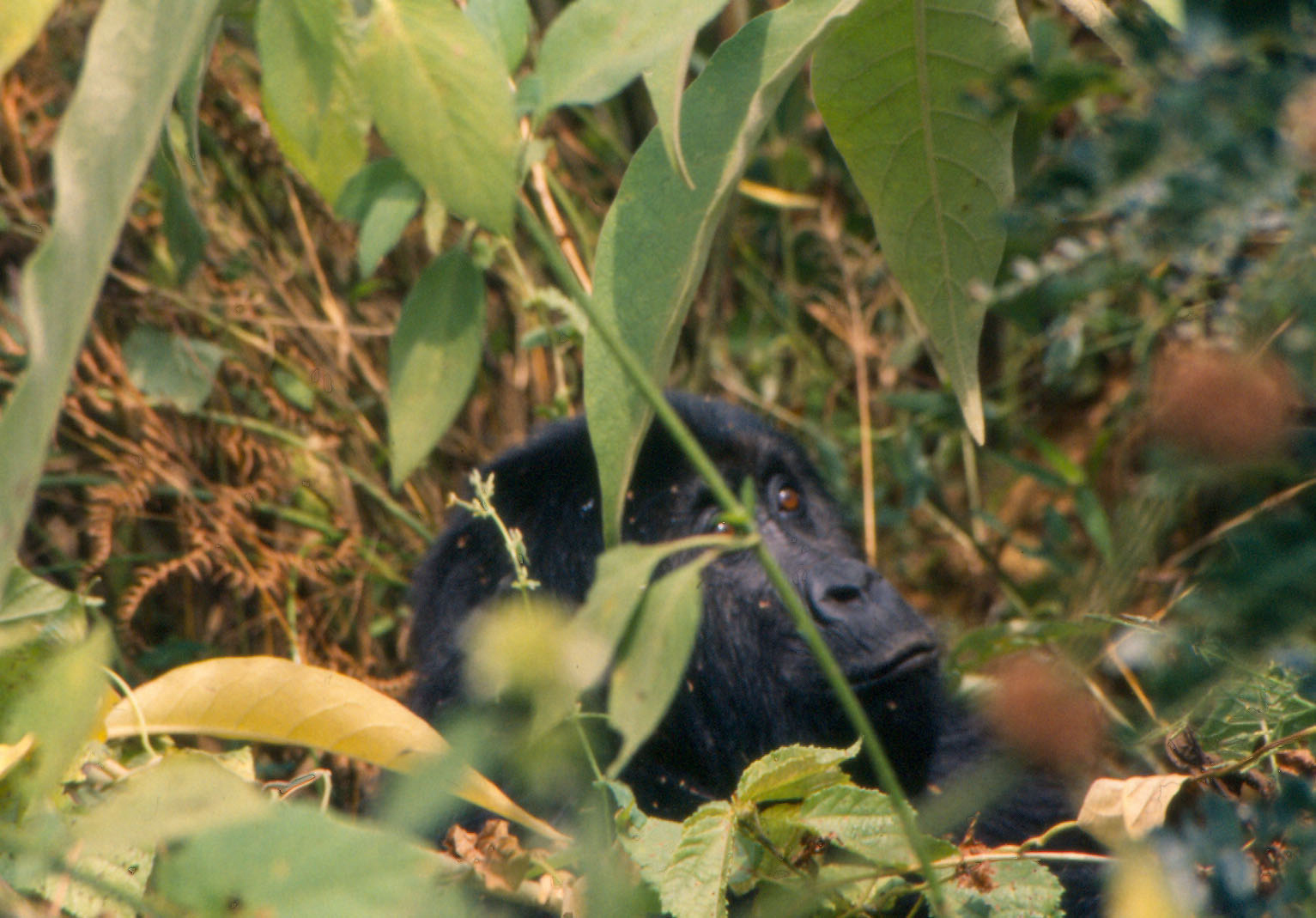
March sits right at the edge of the region’s dry-to-wet transition, which makes it a genuinely nuanced month to ask about for a specific destination like Virunga National Park. Is March a good month for gorilla trekking in Virunga National Park deserves a direct, honest answer rather than a generic “check the season” response, since March’s exact character can genuinely swing noticeably from year to year.
This guide covers what March typically looks like at Virunga National Park, the genuine trade-offs involved, and how to decide honestly whether it fits your specific trip and priorities.
Where March Falls in Virunga’s Seasonal Calendar
March marks the beginning of one of the region’s two main rainy seasons, which typically runs from March through May across the wider Virunga Massif spanning Congo, Rwanda, and Uganda. Early March can still carry some residual drier conditions from the preceding dry season, but by mid-to-late month, rainfall generally becomes more consistent.
What This Means Practically for a March Trek
Trekkers visiting Virunga National Park in March should expect a genuine possibility of rain during their trek, muddier trails than the preceding dry months, and correspondingly lower visitor numbers than peak season brings. None of this rules out a rewarding trek — gorillas remain fully active and trackable regardless of rainfall — but it does call for different physical and gear preparation than a dry-season visit.
The Genuine Upside of an Early-Rainy-Season March Visit
March’s transitional character often means genuinely lower accommodation costs and quieter trails compared to Virunga’s busier dry-season months, without the full intensity of peak rainy season later in April or May. For trekkers comfortable with some weather uncertainty, this makes March a reasonable middle-ground choice rather than either extreme.
What March Weather Means for Golden Monkey and Other Nearby Activities
If your March itinerary includes golden monkey tracking or other Virunga-area activities alongside gorilla trekking, expect broadly similar conditions across all of them — the same transitional rainfall pattern that affects your gorilla trek applies region-wide, so plan gear and pacing accordingly across your full activity schedule rather than assuming variation between adjacent experiences.
How March Fits Into a Broader Regional Itinerary
Trekkers combining a March Congo visit with stops in neighbouring Rwanda or Uganda should note that the whole Virunga Massif region shares a broadly similar seasonal pattern, meaning March’s transitional character applies consistently across a multi-country itinerary rather than varying dramatically between adjacent destinations.
Congo’s Specific Considerations for a March Visit
Beyond weather, trekkers planning a March visit to Virunga National Park specifically should factor in Congo’s border-crossing logistics and the importance of confirming current security conditions with a specialist operator, considerations that apply regardless of which month you choose but are worth reiterating for any Congo-specific trip planning.
What a Typical March Trekking Day Looks Like
A March trek at Virunga National Park follows the same structured format as any other month — an early briefing at park headquarters, a guided trek toward whichever habituated family the tracking team has located, and the standard one-hour viewing window once you arrive. What changes with March specifically is the terrain underfoot and the likelihood of at least some rain during the day, not the fundamental structure of the experience itself.
How Rangers and Trackers Adapt to March Conditions
Congo’s experienced ranger and tracking teams work through March’s transitional conditions routinely, adjusting their approach to locating families based on how recent rainfall has affected ground signs and vegetation. This local expertise matters more during a transitional month like March than during the most predictable stretches of dry season, when tracking patterns tend to be more consistent day to day.
Photography Considerations for a March Visit
March’s mix of clearing skies and building cloud cover can produce genuinely striking photography conditions, with dramatic light and atmosphere that peak dry season’s more uniformly clear skies don’t always offer. Photographers specifically interested in moody, textured images sometimes find this transitional month rewarding despite the added weather uncertainty.
How March Compares to Virunga’s Driest Months
Trekkers who’ve experienced Virunga during the region’s driest months, typically June through August or December through February, will notice a genuine difference in trail conditions and overall trekking difficulty during March, though the difference is generally less pronounced early in the month than it becomes by April or May.
Health and Physical Preparation for a March Trek
March’s muddier, more variable conditions mean physical preparation matters somewhat more than for a peak dry-season visit — regular walking or hiking in the weeks before your trip genuinely helps, alongside packing appropriate footwear with good grip for the wetter ground you’re likely to encounter.
Packing Considerations Specific to a March Trek
Given March’s transitional, somewhat unpredictable character, packing for both dry and wet conditions makes sense — genuine rain gear alongside standard trekking equipment, rather than assuming either extreme will definitely apply throughout your visit.
What to Expect if Weather Genuinely Disrupts Your March Trek
In the rare event that genuinely severe weather affects trekking operations during a March visit, experienced Congo-specialist operators have established procedures for rescheduling or adjusting plans, another reason working with a reputable, well-connected operator matters more during this transitional month than during more predictable dry-season stretches.
How March’s Character Varies Year to Year
It’s worth noting that March’s exact rainfall pattern can shift meaningfully from one year to the next, so treating any single year’s specific experience as a fixed rule for every future March visit isn’t entirely reliable — checking recent conditions with a current, on-the-ground operator gives a more accurate picture than historical averages alone.
Booking Timing for a March Virunga Trek
March’s comparatively lower demand generally means somewhat better availability than peak season, though working with an experienced Congo-specialist operator to confirm current permit availability and conditions remains worthwhile regardless of the generally favourable booking odds this month tends to offer.
Final Thoughts on Choosing March
March suits trekkers who genuinely value cost savings and quieter trails enough to accept real weather uncertainty, and who are working with an experienced Congo-specialist operator capable of navigating both the transitional conditions and the country’s broader logistics smoothly and reliably. For trekkers prioritising guaranteed dry conditions above all else, a peak dry-season month remains the more conservative, safer choice overall.
Frequently Asked Questions
Will it definitely rain if I trek in Virunga during March?
Not definitely, but genuinely likely, particularly as the month progresses — March marks the start of one of the region’s main rainy seasons, though early-month conditions can still carry some residual dry-season character.
Is March cheaper than peak dry season for a Virunga trek?
Generally yes — lower overall demand during this transitional month typically means more accommodation value than Virunga’s busiest dry-season periods.
Should I still check current security conditions for a March Congo trip?
Yes, always — regardless of season, confirming current conditions with a Congo-specialist operator is essential for any Virunga National Park visit.
Is early March different from late March at Virunga?
Often yes — early March can still carry some drier conditions from the preceding season, while later in the month typically sees noticeably more consistent rainfall as the weeks progress.
Do rangers change how they track gorillas during a transitional month like March?
They adapt their approach based on how recent rainfall has affected ground signs, drawing on genuine local expertise that matters more during transitional periods than during the most predictable dry-season stretches of the year.
What footwear works best for a March Virunga trek?
Sturdy, broken-in waterproof hiking boots with genuinely good ankle support and tread are worth prioritising, given the transitional month’s mix of firm and muddy ground you’re likely to encounter throughout the entire day.
Is travel insurance particularly important for a March Congo trip?
Yes, genuinely — comprehensive coverage that accounts for both weather-related disruptions and Congo’s specific logistics is worth having regardless of season, but especially during a transitional month like March specifically.
Is March a good month for photography specifically?
Many photographers find it genuinely rewarding, given the dramatic light and cloud atmosphere this transitional month can produce, distinct from peak dry season’s more uniformly clear conditions.
Does March’s weather pattern apply consistently across a multi-country Virunga itinerary?
Yes, broadly — the whole Virunga Massif region shares a similar transitional seasonal pattern in March, so conditions apply fairly consistently whether you’re in Congo, Rwanda, or Uganda during this particular month of the year.
Should I pack the same gear for golden monkey tracking as gorilla trekking in March?
Yes, essentially — both activities face the same regional weather pattern, so plan your gear and pacing consistently across your full March itinerary.
Plan the Rest of Your Trip
For the full cost and logistics picture, this Congo cost guide is worth reading in full, alongside this guide on how many days a Congo trip needs. For a broader regional comparison, this Rwanda versus Uganda comparison is a useful next read, and this full cost breakdown helps you budget whichever month you choose.