
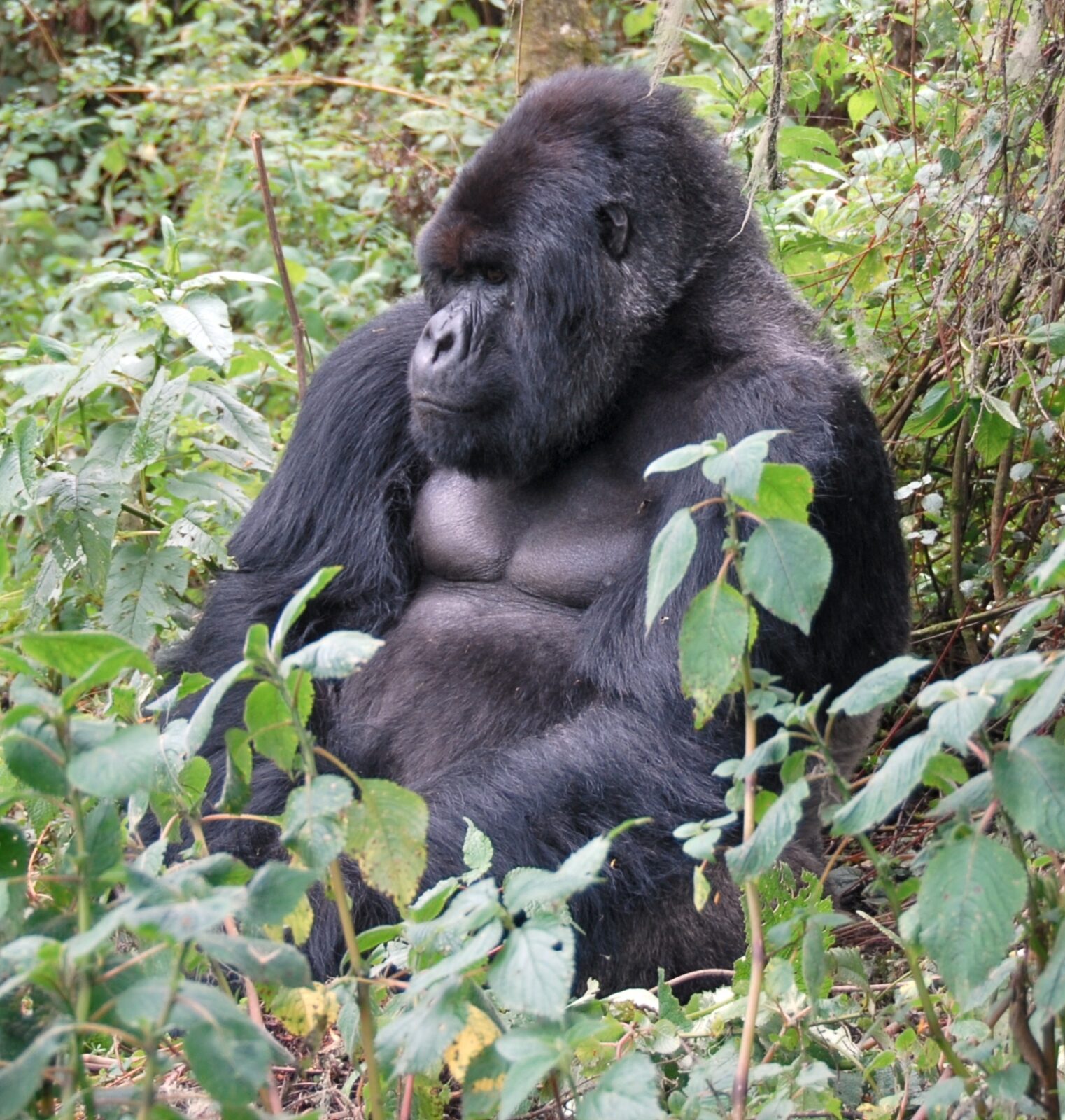
The gorilla trekking permit’s genuinely substantial headline price sometimes leads trekkers to assume they’ve budgeted for their entire trip, when in reality several genuinely real additional costs remain worth planning for beyond this single, largest expense. What additional costs should I budget for besides the permit deserves a specific, comprehensive answer covering every genuine expense category.
This guide covers every genuine additional cost beyond your permit, roughly how much to budget for each, and how to build a realistically complete trip budget.
Why Additional Costs Deserve Genuine, Deliberate Budget Planning
Trekkers who budget only for the permit itself risk genuine financial surprise once they account for the full scope of trip expenses, worth building a comprehensive budget from the start rather than treating additional costs as an afterthought.
The Short Answer: Accommodation, Transport, Tips, Gear, and Incidentals
Beyond your permit, genuine additional costs span accommodation, ground and international transport, tipping, gear purchases, travel insurance, visa fees, and general incidentals – worth budgeting for each category specifically rather than a single vague buffer amount.
Why Accommodation Represents Your Second-Largest Genuine Expense
Accommodation costs, varying enormously by budget tier and trip duration, genuinely represent your second-largest expense category after the permit itself, worth budgeting realistically based on your chosen accommodation level and number of nights.
How International Flights Genuinely Factor Into Your Total Budget
International flights to reach Uganda, Rwanda, or Congo typically remain a genuinely separate, often substantial cost that many trekkers initially overlook when focusing primarily on the permit price, worth researching and budgeting for this early in your planning.
Why Ground Transport Sometimes Requires Additional Budget Beyond Your Package
Even with package-included transport, additional ground transport for side trips, airport transfers outside your main itinerary, or independent travel days genuinely adds real cost worth budgeting for separately.
What Tipping Genuinely Requires Setting Aside
Tipping your guide, porter, and trackers genuinely requires budgeting roughly $10-20 per day combined, worth treating this as a real, expected cost rather than an optional afterthought given how central tipping is to local guide and porter income.
How Gear Purchases Genuinely Add Up Before Your Trip
Purchasing appropriate hiking boots, rain gear, a day pack, and other genuinely necessary equipment if you don’t already own suitable gear represents a real, sometimes underestimated pre-trip expense worth budgeting for separately from your actual trip costs.
Why Travel Insurance Genuinely Deserves Real Budget Allocation
Comprehensive travel insurance covering trip interruption, medical evacuation, and gear protection genuinely matters given trekking areas’ remote location, worth budgeting for quality coverage rather than the cheapest available policy.
What Visa Fees Genuinely Add to Your Total Trip Cost
Visa fees for Uganda, Rwanda, or Congo, varying by your specific nationality and entry requirements, genuinely add a real cost worth researching specifically for your citizenship before finalizing your overall budget.
Why Vaccinations and Health Preparations Sometimes Require Additional Spending
Required or recommended vaccinations, antimalarial medication, and other health preparations genuinely add cost worth budgeting for, particularly if your existing vaccination status requires updates specifically for this trip.
How Meals Not Included in Your Package Genuinely Add Up
Meals outside your package’s specified coverage – additional drinks, snacks, meals during free time – genuinely accumulate real cost worth budgeting a reasonable daily allowance for beyond your package’s included dining.
What Souvenirs and Local Purchases Genuinely Cost
Local crafts, souvenirs, and community-based experience fees genuinely add discretionary but real cost worth budgeting for if supporting local artisans and bringing home authentic mementos matters to your trip.
Why Building a Genuine Contingency Buffer Matters
Beyond every specific budgeted category, building a genuine contingency buffer – roughly 10-15% of your total estimated budget – helps absorb unexpected costs or currency fluctuations without genuine financial stress during your trip.
How to Actually Build a Realistic Total Budget Spreadsheet
Creating a genuine line-item spreadsheet covering every category described here, with realistic estimates for your specific trip length and style, transforms an overwhelming list of possible expenses into a concrete, actionable total figure worth having in hand before you commit to any bookings.
Why Currency Exchange Fees Genuinely Add Small But Real Cost
Currency exchange fees and unfavorable rates at less optimal exchange points genuinely add small but real cost to your overall trip, worth researching favorable exchange options in advance rather than exchanging currency reactively at the least convenient moment.
How Domestic Flights Within Your Destination Country Affect Your Budget
Trekkers combining gorilla trekking with other destinations within the same country should budget for domestic flights or transfers separately if these aren’t included in their main package, worth researching these specific costs during your itinerary planning phase.
Why Communication Costs Genuinely Deserve Small Budget Consideration
A local SIM card or international roaming plan for staying connected during your trip genuinely adds a small but real cost, worth budgeting for this specific convenience if staying connected matters to your trip experience.
What ATM and Banking Fees Genuinely Add to Your Trip Cost
International ATM withdrawal fees and foreign transaction charges on card purchases genuinely accumulate small additional costs throughout your trip, worth understanding your specific bank’s fee structure before departure.
Why Optional Add-On Activities Deserve Their Own Budget Line
Golden monkey tracking, cultural visits, or additional wildlife viewing beyond your core gorilla trek genuinely add real cost if you choose to include these, worth budgeting separately for any specific add-ons genuinely interesting to you.
How Pre-Trip Medical Consultations Sometimes Add Cost
Consulting a travel medicine specialist before your trip, particularly for vaccination advice and antimalarial prescriptions, sometimes involves a genuine consultation fee worth budgeting for as part of your overall health preparation costs.
Final Thoughts on Budgeting Beyond Your Gorilla Permit
A genuinely complete gorilla trekking budget accounts for accommodation, flights, transport, tipping, gear, insurance, visas, health preparations, meals, and a contingency buffer – worth building this comprehensive picture from the start rather than discovering these real costs incrementally throughout your trip planning process.
Why Building This Complete Picture Upfront Genuinely Prevents Financial Stress
Trekkers who genuinely build this complete cost picture before booking, rather than discovering additional expenses incrementally throughout planning and travel, consistently report a more relaxed, enjoyable trip experience unburdened by ongoing financial surprises along the way.
Frequently Asked Questions
What is my second-largest expense after the permit itself?
Accommodation, varying enormously by budget tier and trip duration, worth budgeting realistically based on your chosen level and total length of stay.
How much should I budget for tipping specifically?
Roughly $10-20 per day combined across your guide, porter, and trackers, worth treating this as a genuinely real, expected cost rather than optional.
Do international flights add significantly to my total budget?
Yes, genuinely – often a substantial cost many trekkers initially overlook when focusing primarily on the permit price itself.
Should I budget separately for gear if I don’t already own suitable equipment?
Genuinely worth it – boots, rain gear, and a day pack represent a real, sometimes underestimated pre-trip expense worth planning for carefully.
How much should travel insurance genuinely cost me?
Varies by coverage level, but worth budgeting for quality comprehensive coverage rather than the cheapest available policy given trekking’s remoteness.
Do visa fees vary significantly by nationality?
Yes, genuinely – worth researching specific requirements and costs for your own citizenship before finalizing your overall trip budget.
Should I budget for vaccinations and health preparations?
Yes, worth it – required or recommended vaccinations and antimalarial medication genuinely add real cost depending on your existing status.
How much of a contingency buffer should I build into my budget?
Roughly 10-15% of your total estimated budget, genuinely helping absorb unexpected costs or currency fluctuations without real financial stress.
Do meals outside my package add meaningful cost?
Genuinely, yes – additional drinks, snacks, and meals during free time accumulate real cost worth budgeting a reasonable daily allowance for.
Should I budget for souvenirs and local purchases?
Worth it if this matters to you – local crafts and community experience fees add discretionary but real cost supporting local artisans directly.
Do ATM and banking fees genuinely add up during my trip?
Yes, in small amounts – international withdrawal fees and foreign transaction charges accumulate, worth understanding your bank’s specific fee structure.
Should I budget for optional add-on activities separately?
Genuinely worth it – golden monkey tracking, cultural visits, or additional wildlife viewing each add real cost beyond your core gorilla trek.
Does a local SIM card or roaming plan add meaningful cost?
A small but real cost, worth budgeting for this specific convenience if staying connected throughout your entire trip matters to you.
Should I budget for a pre-trip travel medicine consultation?
Worth considering, yes – vaccination advice and antimalarial prescriptions sometimes involve a genuine consultation fee as part of health prep.
Plan the Rest of Your Trip
For the full cost picture, this full cost breakdown is worth reading, alongside this tipping guide. For further planning, this guide on package inclusions is a useful next read, and this complete packing checklist covers gear you may need to purchase.