
Are Gorilla Safaris Safe? – What You Need to Know Before You Trek
Gorilla safaris are among the most extraordinary wildlife experiences on Earth — the chance to stand face to face with a mountain gorilla in its natural habitat, deep within the misty forests of East Africa. Understandably, many travelers wonder: Are gorilla safaris safe?
The simple answer is yes — gorilla safaris are very safe. Uganda, Rwanda, and the Democratic Republic of Congo (the only three countries where you can see wild mountain gorillas) have strict security measures, professional guides, and well-organized tourism operations that make these experiences secure, ethical, and unforgettable.
Here’s everything you need to know about the safety and comfort of a gorilla safari.
1. The Countries Are Stable and Well-Regulated for Tourism
Both Uganda and Rwanda, the main gorilla trekking destinations, are peaceful and politically stable countries that have built strong reputations for eco-tourism and visitor safety.
-
Rwanda is considered one of the safest countries in Africa, with excellent infrastructure, well-paved roads, and a highly organized tourism system centered around Volcanoes National Park.
-
Uganda has decades of experience managing Bwindi Impenetrable National Park and Mgahinga Gorilla National Park, both UNESCO World Heritage Sites. The Uganda Wildlife Authority (UWA) ensures the safety of all visitors through ranger escorts, armed patrols, and daily monitoring of gorilla families.
Visitors are always accompanied by trained rangers, guides, and trackers, and park authorities maintain strong relationships with local communities, ensuring a safe environment around the parks.
2. Gorilla Trekking Groups Are Well Supervised
Every trek into the forest is fully guided by professional park rangers and trackers who know the terrain and the gorilla groups intimately.
Before the trek begins, visitors attend a safety briefing, where they learn about the trekking rules, how to behave near the gorillas, and what to expect in the forest.
Each trekking group is limited to a maximum of eight visitors, ensuring a small, controlled experience that minimizes disturbance to the animals and maximizes safety. Rangers carry walkie-talkies to communicate with park headquarters, and in rare cases of medical emergencies, evacuation procedures are in place.
3. Gorilla Behavior and Interaction Are Carefully Managed
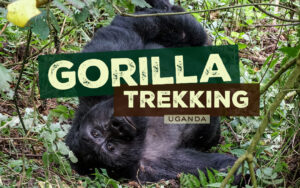
Mountain gorillas are gentle, intelligent, and mostly calm animals. The groups visited by tourists are habituated, meaning they have undergone years of gentle exposure to humans under ranger supervision. This process ensures they are comfortable with people nearby and show no aggression.
Visitors are instructed to maintain a distance of about 7 meters (23 feet) from the gorillas (though the gorillas may sometimes approach out of curiosity). Direct eye contact or sudden movements are discouraged, and flash photography is not allowed.
If a gorilla shows dominance behavior, like chest-beating, guides will calmly instruct you on how to respond — usually by staying still and avoiding direct eye contact. The rangers are experts at reading the gorillas’ moods and will always keep you safe.
4. Health and Hygiene Protocols Protect Both You and the Gorillas
Because gorillas share over 98% of our DNA, they are susceptible to many of the same diseases humans can catch — which means strict hygiene rules are in place for everyone’s safety.
Visitors showing symptoms of flu, cough, or fever may not be allowed to trek, as even minor infections can harm gorillas. During the trek, you’ll be asked to wear a mask when close to the gorillas, avoid touching vegetation near them, and never leave litter behind.
These measures not only protect the gorillas but also ensure visitors are trekking in a clean, controlled environment.
5. Security in and Around the Parks Is Strong
Park boundaries in Uganda and Rwanda are well-protected by wildlife rangers and local law enforcement. Armed patrols regularly monitor park perimeters, and community engagement programs help reduce poaching and conflict.
Rwanda’s Volcanoes National Park and Uganda’s Bwindi Impenetrable National Park are considered extremely secure, with no incidents involving tourists in recent years. Roads to the parks are well-maintained and frequently patrolled, while lodges and tour operators coordinate closely with park authorities to ensure smooth, safe operations.
In the Democratic Republic of Congo, gorilla trekking in Virunga National Park has occasionally faced safety issues due to regional instability. However, the park reopens only when it is completely safe, and security is overseen by well-trained rangers and the Congolese Institute for Nature Conservation (ICCN). Travelers to DRC are advised to go with registered tour operators and stay updated on official travel advisories.
6. Experienced Tour Operators Ensure a Safe Experience
Booking your gorilla safari through a reputable operator is key to a safe and seamless adventure. Professional companies handle permits, transportation, accommodation, and guides — ensuring all logistics meet safety standards.
They also coordinate with park authorities, offer emergency support, and provide local expertise to make your journey worry-free.
7. Physical Safety on the Trek
While trekking through the forest can be challenging, it’s safe for visitors of all ages and fitness levels with basic preparation. Trails can be steep or muddy, but guides set a comfortable pace and help you navigate tricky terrain.
Porters are available for hire (usually USD 15–25) to carry your backpack and assist you along the way — they’re part of local communities and are trained to ensure visitors’ comfort and security.
Wearing proper hiking boots, carrying walking sticks, and dressing appropriately for forest weather (layers, rain gear) further enhances safety.
8. Community Involvement Makes the Experience Safer
One reason gorilla safaris are so safe today is the strong partnership between conservation and local communities. A significant portion of gorilla trekking permit fees goes back to community development — funding schools, hospitals, and infrastructure.
This ensures that locals see direct benefits from tourism and are committed to protecting both visitors and gorillas. The result is a sense of harmony and shared purpose that travelers immediately feel when visiting these regions.
So, Are Gorilla Safaris Safe?
Absolutely. Gorilla safaris in Uganda and Rwanda are among the safest and best-managed wildlife experiences in Africa. Every trek is conducted under strict supervision, with experienced rangers ensuring your well-being from start to finish.
As long as you follow the guidelines — respect the gorillas, listen to your guides, and stay with your group — your safari will be not only safe but deeply rewarding.
Standing just meters from a silverback and his family in the misty forest is one of life’s most moving moments — a peaceful connection between human and nature that words can barely capture.