Best Place to See Lesser Flamingos in Uganda
Introduction: The Enchanting Pink Beauties of Uganda
Uganda, known as the Pearl of Africa, is blessed with a remarkable diversity of wildlife and breathtaking landscapes. While the country is famous for gorilla trekking and savannah safaris, few visitors know that Uganda is also home to spectacular flocks of lesser flamingos — elegant, pink-hued birds that transform the shores of certain lakes into magical spectacles. For bird lovers and photographers, witnessing thousands of flamingos painting the horizon in shades of pink is an unforgettable experience. But where is the best place to see lesser flamingos in Uganda?
Understanding the Lesser Flamingo
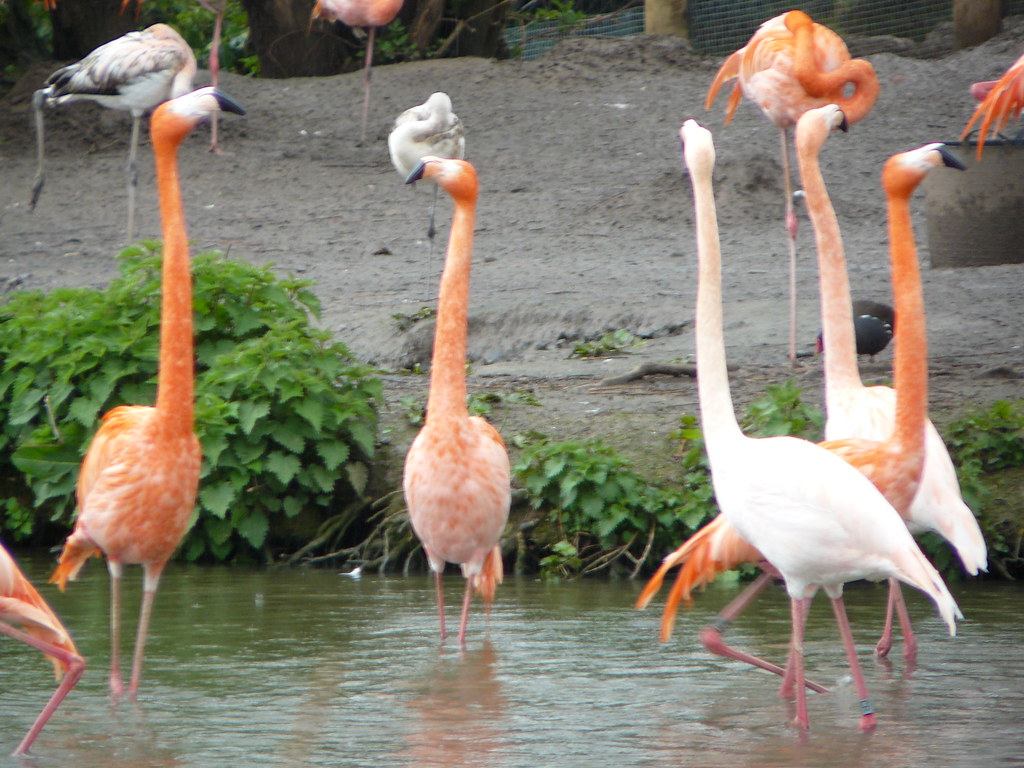
The lesser flamingo (Phoeniconaias minor) is the smallest of all flamingo species but also the most numerous. These birds are easily recognized by their bright pink plumage, slender legs, and down-curved bills. Unlike the greater flamingo, the lesser flamingo’s pink color is more vibrant, thanks to the carotenoid pigments they absorb from feeding on microscopic algae and cyanobacteria found in saline lakes.
Lesser flamingos are migratory birds that travel across East Africa in search of ideal feeding and breeding grounds. While Kenya’s Lake Nakuru and Tanzania’s Lake Natron are often highlighted for massive flamingo gatherings, Uganda also hosts impressive populations — especially in the western rift valley lakes.
Best Place to See Lesser Flamingos in Uganda: Lake Munyanyange
The best place to see lesser flamingos in Uganda is Lake Munyanyange, a small, alkaline crater lake located near Katwe Village on the outskirts of Queen Elizabeth National Park. This hidden gem lies just a few kilometers from the more famous Lake Katwe, known for its traditional salt mining.
Lake Munyanyange’s high salinity and alkaline environment create perfect conditions for the growth of the blue-green algae that flamingos feed on. Between October and April, thousands of lesser flamingos flock here, turning the lake’s surface into a shimmering sea of pink. The sight of these graceful birds wading through the shallow waters against the backdrop of the Rwenzori Mountains and the open plains of Queen Elizabeth National Park is simply breathtaking.
Other Flamingo Hotspots in Uganda
While Lake Munyanyange is the most reliable and accessible location, flamingos can also be spotted occasionally in other saline lakes within Uganda’s western rift valley system.
Lake Katwe, located nearby, sometimes hosts smaller numbers of flamingos, especially during migration seasons. However, because of active salt mining, it is less ideal for photography or birdwatching compared to Lake Munyanyange.
Lake Edward and Lake George, though not saline, attract various bird species, and flamingos occasionally make brief appearances. Additionally, Lake Mburo National Park and Kyambura Wetland have recorded rare sightings of flamingos during migratory movements, but these are not regular or predictable.
When to Visit for the Best Flamingo Viewing
The best time to see flamingos at Lake Munyanyange is during the dry season from October to April, when the water levels are low, and the concentration of salt and algae is highest. During this period, migratory birds from Kenya and Tanzania join local species, creating one of Uganda’s most beautiful natural displays.
The wet season (May to September) may see fewer flamingos, as higher water levels dilute the salinity and reduce algae growth. However, the surrounding Queen Elizabeth region remains excellent for game viewing and general birdwatching throughout the year.
Birdwatching Experience at Lake Munyanyange
A visit to Lake Munyanyange offers an intimate and serene birdwatching experience. Unlike crowded parks, this crater lake remains largely untouched and peaceful. Visitors can take guided nature walks around the lake, observe flamingos feeding in the shallows, and capture incredible photographs of the vibrant pink flocks reflecting in the water.
Besides flamingos, Lake Munyanyange is also home to over 80 bird species, including pelicans, avocets, black-winged stilts, Egyptian geese, and plovers. Birdwatchers can combine this experience with a safari in Queen Elizabeth National Park, located just a few minutes away, for a perfect balance of aquatic and terrestrial wildlife encounters.
How to Get There
Lake Munyanyange is located about 420 kilometers from Kampala and can be reached via Mbarara and Kasese. The journey takes around 6 to 7 hours by road. From Mweya Peninsula or Katwe Village, it’s a short drive to the lake, often accessible through guided tours arranged by local community groups or nearby lodges.
Alternatively, visitors can take a domestic flight from Entebbe to Kasese Airstrip, followed by a 1-hour drive to the lake. The site is easy to combine with safaris in Queen Elizabeth National Park, chimpanzee tracking in Kyambura Gorge, or crater lake tours in the Kasese area.
Conservation Importance of Lake Munyanyange
Lake Munyanyange plays a vital role in the conservation of flamingos and other migratory birds. It serves as an important resting and feeding ground along the East African Rift Valley Flyway — a major migratory route used by millions of birds annually.
Local conservation efforts, supported by the Uganda Wildlife Authority and community-based tourism initiatives, aim to protect this fragile ecosystem from pollution and encroachment. Responsible tourism and community awareness continue to ensure that Lake Munyanyange remains a haven for both birds and people for generations to come.
Conclusion: Uganda’s Hidden Flamingo Paradise
While Uganda is celebrated for its gorillas and big game, its flamingo spectacles remain one of the country’s best-kept secrets. Lake Munyanyange stands out as the premier destination to see lesser flamingos in Uganda, offering a peaceful, colorful, and ecologically rich experience.
For nature lovers, photographers, and birdwatchers seeking something unique, a visit to this crater lake promises not only dazzling sights of pink flamingos but also a deeper connection to Uganda’s extraordinary biodiversity.