
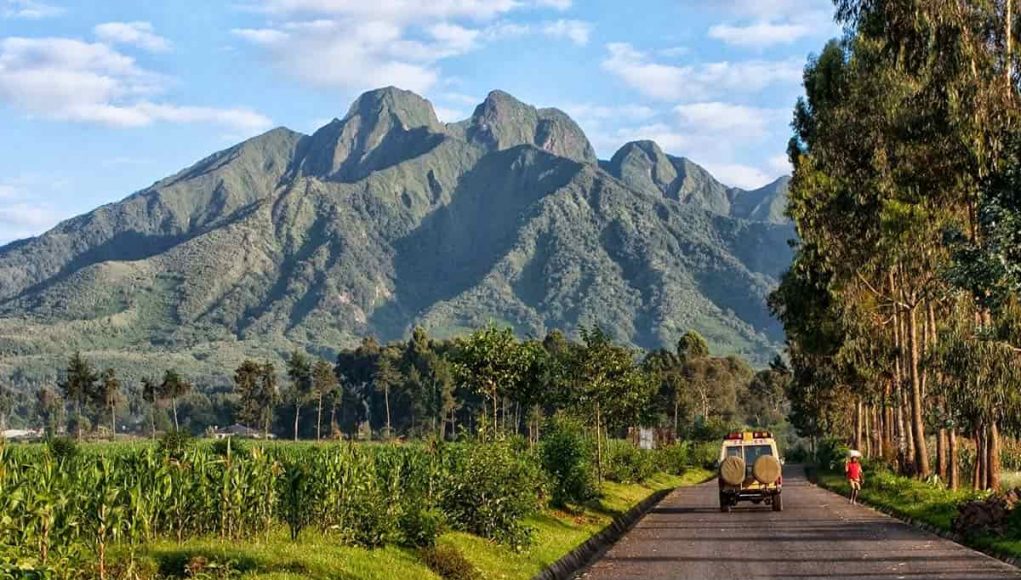
Best Time to Visit Rwanda: Seasons, Rainfall & Gorilla Trekking Timing
Rwanda’s position close to the equator gives it a climate that is considerably more stable and predictable than many first-time travellers expect, without the dramatic seasonal temperature swings typically found in destinations much further from the equator. That said, rainfall patterns shift meaningfully across the year, and understanding this rhythm helps travellers time a trip around their specific priorities, whether that means optimal gorilla trekking conditions, budget considerations, or simply personal comfort with rain versus dry, dusty trail conditions.
Rwanda’s Two Dry Seasons
Unlike destinations with a single clear dry season, Rwanda experiences two distinct dry periods each year, a pattern shaped by its equatorial position and the passage of the intertropical convergence zone across the region twice annually. The long dry season runs roughly from June through September, and a shorter dry spell typically falls between December and February. Both periods bring firmer trail conditions, generally clearer skies, and the most popular, heavily booked travel windows across the country’s national parks.
The Wet Seasons
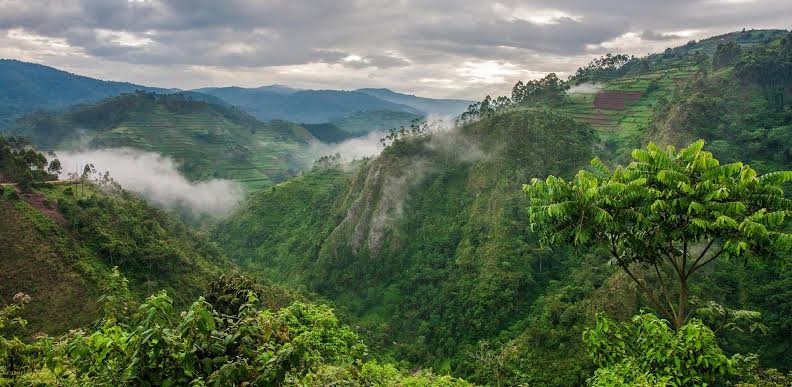
Between these dry windows, Rwanda experiences two wetter periods, a longer wet season from March through May and a shorter one from October through November. Rainfall during these months tends to arrive in concentrated afternoon downpours rather than constant all-day drizzle, meaning mornings often remain clear and workable for activities even during the wetter months, a detail that surprises many first-time visitors who assume wet season travel means constant rain throughout the day.
Timing Gorilla Trekking Specifically
Gorilla trekking permits remain available and gorilla families remain trackable throughout the year in Rwanda, since gorillas do not migrate seasonally and Volcanoes National Park operates trekking activities regardless of rainfall. That said, the dry season months offer meaningfully more comfortable trekking conditions, with firmer, less slippery terrain underfoot on the steep volcanic slopes gorilla families frequently occupy. Wet season trekking remains entirely viable and is chosen by many travellers specifically for the quieter trails and lower accommodation rates that come with travelling outside peak demand, provided visitors arrive prepared for genuinely wet, muddy conditions on any given trekking day.
Temperature Patterns Across the Year
Rwanda’s temperature varies more by altitude than by season, given its equatorial location, and this matters considerably for trip planning since the country’s elevation changes dramatically between destinations. Volcanoes National Park and the country’s higher-altitude regions stay noticeably cooler year-round than lower-lying areas like Akagera National Park in the east, and travellers should pack for this altitude-driven temperature range rather than assuming a single climate applies uniformly across the whole country regardless of which specific parks are included in an itinerary.
Peak Season Considerations
Rwanda’s dry season months, particularly July, August, and the December to January window, represent the country’s busiest travel periods, driven largely by gorilla trekking demand alongside favourable weather. Permit availability during these months requires considerably more advance booking than during quieter periods, and accommodation rates at many properties rise accordingly to reflect this heightened demand. Travellers with flexible schedules can find genuine value by targeting the edges of these peak windows, capturing improving or still-reasonable weather conditions while avoiding the very highest demand and pricing.
Birdwatching and Seasonal Timing
For birders specifically, the wetter months bring an additional consideration beyond general trail comfort, the presence of Palearctic migrant species that supplement Rwanda’s already substantial resident bird population during the northern hemisphere’s winter months, roughly November through April. Travellers prioritising birding alongside gorilla trekking may find this wetter period genuinely rewarding despite the less comfortable trekking conditions, given the additional species diversity present during these specific months.
Akagera National Park and Seasonal Game Viewing
Akagera’s savannah landscape responds to seasonal rainfall patterns differently than the country’s forested, higher-altitude regions, with dry season conditions concentrating wildlife more predictably around the park’s water sources, generally improving game viewing efficiency during these months. Wet season visits to Akagera bring lush, green scenery and reduced visitor numbers, though wildlife can be more dispersed across the park’s wider landscape, making sightings somewhat less concentrated and predictable compared to the drier months.
Choosing Based on Your Specific Priorities
Ultimately, the right time to visit Rwanda depends heavily on what matters most for a given trip. Travellers prioritising the most comfortable possible trekking conditions and willing to book well in advance and pay peak-season rates should target the June through September or December through February windows. Those prioritising value, quieter trails, and lower accommodation costs, and genuinely comfortable with wetter conditions, will find the shoulder and wet season months deliver a rewarding experience at a meaningfully lower overall cost.
Booking Timelines by Season
Regardless of which season a trip targets, gorilla trekking permits should be secured as early as possible given Rwanda’s genuinely limited daily availability, a constraint that applies across the entire year rather than easing significantly even during traditionally quieter months. Accommodation booking timelines can be somewhat more flexible outside peak season, though popular properties near Volcanoes National Park still benefit from advance booking regardless of when a trip is planned, given the relatively limited total bed capacity across the region’s most sought-after lodges.
A Country Worth Visiting Regardless of Season
Rwanda’s equatorial climate and year-round gorilla trekking availability mean there is genuinely no bad time to visit, a genuinely rare quality among safari destinations where wildlife migration or extreme seasonal weather can meaningfully limit viable travel windows. Understanding the specific trade-offs between Rwanda’s two dry and two wet seasons allows travellers to make an informed choice matched to their own priorities around comfort, cost, and crowd levels, rather than defaulting to peak season simply because it is the most commonly recommended window without understanding the genuine alternatives available across the rest of the calendar year.
Packing Considerations by Season
Regardless of when a trip is scheduled, layered clothing suited to Rwanda’s altitude-driven temperature range remains essential, given how significantly conditions shift between lower-lying Akagera and the considerably cooler volcanic highlands around Musanze. Rain protection matters even during the officially designated dry seasons, since Rwanda’s tropical highland climate can produce unexpected showers regardless of the broader seasonal pattern, and travellers who pack only for a strict, textbook dry season sometimes find themselves caught out by an unseasonal afternoon downpour that a more flexible packing approach would have anticipated.
How Rwanda’s Seasons Compare to Uganda’s
Travellers combining Rwanda with a Uganda leg on the same trip should note that both countries broadly share similar seasonal patterns, given their shared equatorial position and proximity, though local variation does exist between specific regions within each country. This similarity generally simplifies planning for combined itineraries, since a single seasonal window chosen for gorilla trekking conditions tends to work reasonably well across both countries’ relevant national parks, rather than requiring entirely separate seasonal considerations for each leg of a combined Uganda and Rwanda trip.
Climate Change and Shifting Patterns
Like much of East Africa, Rwanda’s traditionally predictable seasonal rainfall patterns have shown signs of increasing variability in recent years, a broader regional trend linked to shifting climate patterns affecting rainfall timing and intensity across the continent. While the general dry and wet season framework described here remains a genuinely useful planning guide, travellers should hold some flexibility around exact timing expectations, understanding that any given year’s specific weather may deviate somewhat from the longer-term historical averages that seasonal guides like this one are ultimately based upon.
Shoulder Season Value
The brief transitional windows between Rwanda’s four seasonal periods often deliver a genuinely favourable combination of improving or still-reasonable weather conditions alongside meaningfully lower demand than the height of peak dry season. Late May and early June, or late November heading into the short dry season, frequently reward travellers willing to accept slightly less predictable weather with noticeably better permit availability and more competitive accommodation rates than the most heavily booked months of the year.
Special Considerations for Photography
Photographers planning a trip around Rwanda’s landscapes and wildlife should factor seasonal light quality into their timing decisions alongside the more commonly considered trekking comfort factors. The clearer skies typical of dry season months generally produce more consistent, predictable lighting conditions for both landscape and wildlife photography, while wet season cloud cover, though less convenient for trekking logistics, can produce dramatically moody skies and the kind of soft, diffused light that many photographers specifically seek out for portrait-style wildlife shots, an underappreciated advantage of wet season travel for visually minded travellers.
Planning Around Rwanda’s Climate With Confidence
Understanding Rwanda’s genuine seasonal rhythm, two dry periods and two wetter ones, each with their own trade-offs around comfort, cost, and crowd levels, gives travellers the information needed to make a genuinely informed choice rather than simply following generic peak-season advice without understanding the real alternatives. For travellers planning gorilla trekking in Volcanoes National Park or a broader Rwanda itinerary, matching trip timing to personal priorities around weather, budget, and crowd tolerance ultimately matters more than chasing an arbitrary universally recommended “best” month that may not actually align with what a specific traveller values most.