
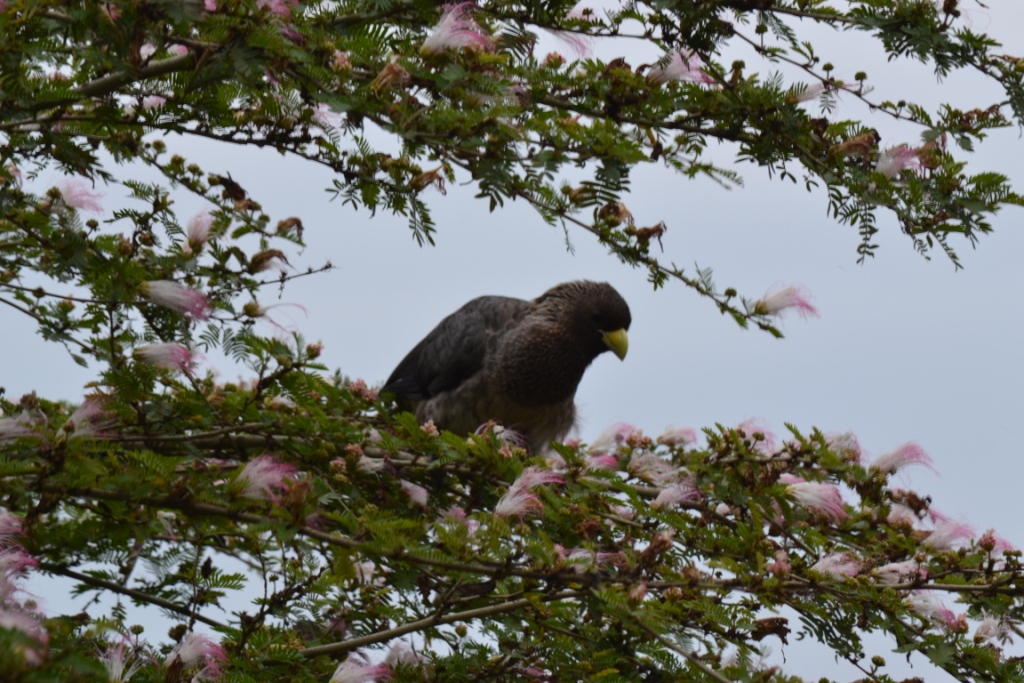
Birding in Rwanda – A Complete Guide to Birdwatching in the Land of a Thousand Hills
Overview of Birding in Rwanda
Birding in Rwanda is one of Africa’s most rewarding wildlife experiences, offering exceptional biodiversity within a relatively small geographic area. Known as the “Land of a Thousand Hills,” Rwanda’s varied landscapes include montane forests, savannah plains, wetlands, lakes, and agricultural countryside, all of which support an impressive diversity of bird species. With more than 700 recorded bird species, including numerous Albertine Rift endemics, Rwanda has become a premier destination for both amateur birdwatchers and experienced ornithologists seeking rare and unique sightings.
The country’s compact size and well-developed infrastructure make it possible to explore multiple birding habitats within short travel distances. From the ancient rainforests of Nyungwe to the savannah ecosystems of Akagera and the volcanic slopes of Volcanoes National Park, Rwanda offers a remarkable range of birdwatching opportunities that combine scenic beauty with ecological richness.
Rwanda’s Unique Birding Habitats
One of the defining strengths of birding in Rwanda is habitat diversity, which allows birders to encounter different species across varied ecosystems within a single trip. Montane forests, wetlands, lakeshores, and savannah plains create ecological niches that support both resident and migratory birds.
The Albertine Rift region, where Rwanda is located, is one of Africa’s most important biodiversity hotspots. High-altitude forests provide ideal conditions for endemic species found nowhere else on Earth. Wetlands and marshes attract water birds and migratory species, while savannah landscapes support raptors, grassland specialists, and woodland birds.
This ecological diversity means that Rwanda can deliver an extraordinary birding checklist in just a few days, making it particularly attractive for travelers combining birdwatching with gorilla trekking or general wildlife safaris.
Nyungwe Forest National Park – Rwanda’s Birding Paradise
Nyungwe Forest is widely regarded as Rwanda’s premier birding destination, hosting more than 300 bird species, including many Albertine Rift endemics. This ancient montane rainforest, one of Africa’s oldest ecosystems, offers dense vegetation, high-altitude habitats, and rich biodiversity that attracts birders from around the world.
Nyungwe Forest National Park is especially famous for species such as the Rwenzori turaco, red-collared mountain babbler, and Rockefeller’s sunbird. The park’s network of trails provides access to different forest zones, increasing opportunities for sightings throughout the day.
Birding in Nyungwe often combines with primate tracking experiences, including chimpanzees and colobus monkeys, creating a multidimensional wildlife experience. Early morning walks offer the best chances to hear bird calls and observe activity in the forest canopy.
Akagera National Park – Savannah and Wetland Birding
Akagera National Park offers a completely different birding environment, characterized by savannah plains, lakes, papyrus swamps, and woodland habitats. This diversity supports more than 500 bird species, making Akagera one of East Africa’s richest birding locations.
Akagera National Park is particularly known for water birds such as herons, egrets, kingfishers, and the iconic shoebill stork, one of Africa’s most sought-after bird species. Raptors are also abundant, with species including fish eagles and hawks frequently observed near lakeshores.
Game drives and boat safaris provide excellent birdwatching opportunities, allowing visitors to combine birding with sightings of large mammals such as elephants, lions, giraffes, and buffalo.
Volcanoes National Park – Montane and Highland Bird Species
Volcanoes National Park is famous for gorilla trekking but also offers exceptional birding opportunities, particularly for high-altitude and Albertine Rift endemic species. The park’s bamboo forests and montane habitats support species that are difficult to find elsewhere.
Volcanoes National Park hosts birds such as the handsome francolin, Rwenzori double-collared sunbird, and dusky crimsonwing. Birding here often occurs alongside gorilla trekking activities, making it ideal for travelers seeking diverse wildlife experiences.
The dramatic volcanic scenery adds another dimension to the birding experience, with mist-covered mountains creating a spectacular backdrop for photography and exploration.
Wetlands and Lakes – Rwanda’s Hidden Birding Gems
Rwanda’s wetlands and lakes are among its most underrated birding locations, providing habitats for migratory species and water-dependent birds. Areas such as Rugezi Marsh and Lake Kivu support numerous species, including papyrus specialists and aquatic birds.
Wetland ecosystems are especially productive for birdwatching because they attract both resident and seasonal species. These environments also offer scenic landscapes that enhance the overall birding experience.
Lake Kivu, located along Rwanda’s western border, provides opportunities for relaxed birdwatching combined with cultural experiences in lakeside communities.
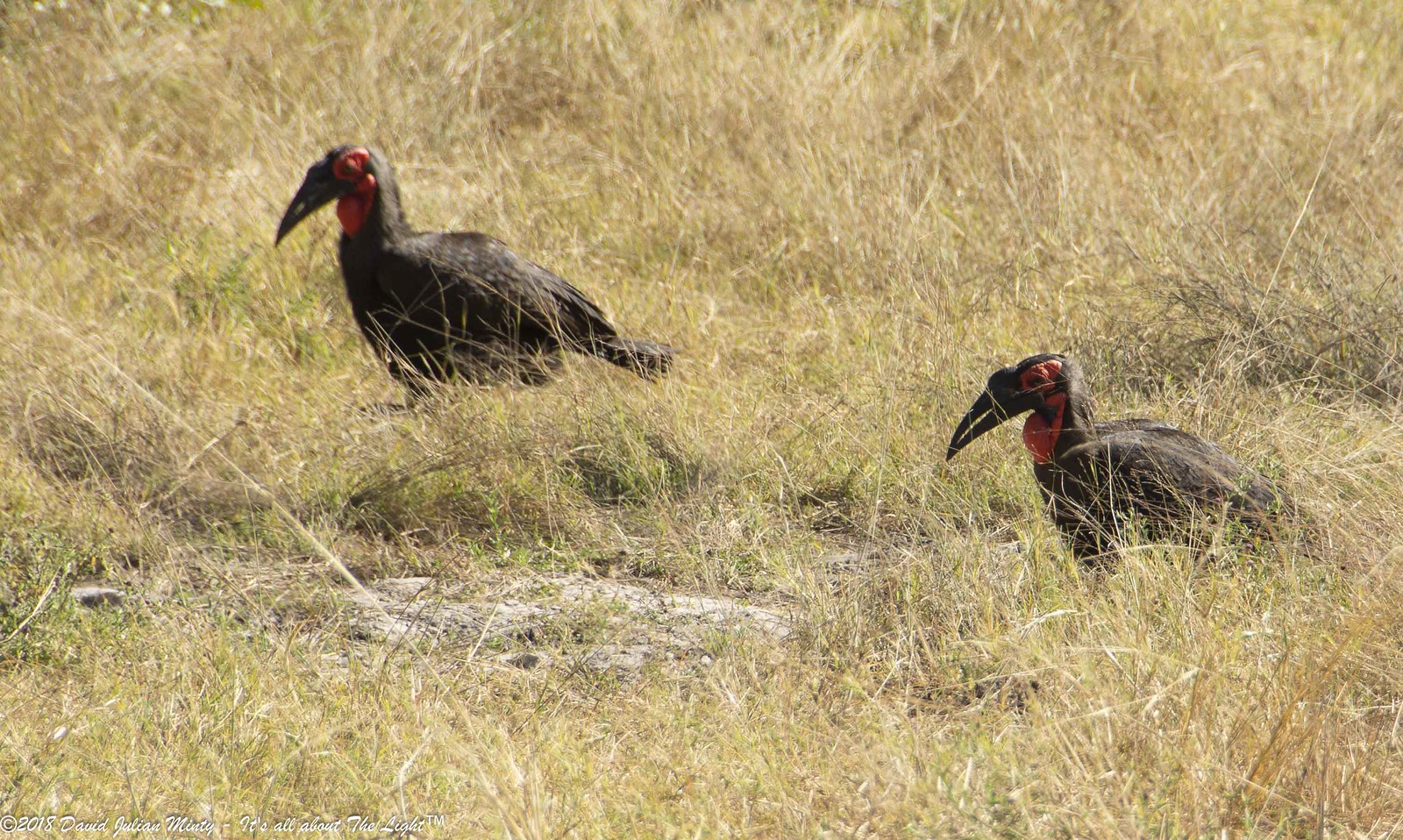
Birding in Rwanda
Albertine Rift Endemics – Rwanda’s Birding Highlights
One of the main reasons birders visit Rwanda is the opportunity to see Albertine Rift endemic species, which are restricted to this biodiversity hotspot. These birds are highly sought after due to their limited distribution and ecological significance.
Species such as the Rwenzori turaco, Grauer’s swamp warbler, and Archer’s robin-chat represent some of the region’s most prized sightings. Observing these birds requires patience, knowledgeable guides, and exploration of specialized habitats, particularly montane forests.
The presence of these endemic species elevates Rwanda’s global importance as a birding destination and contributes to conservation awareness efforts.
Best Time for Birding in Rwanda
Birding in Rwanda is possible year-round, but certain seasons provide advantages depending on travel goals. The wet seasons, typically from March to May and October to November, coincide with breeding periods when birds are more active, vocal, and colorful. Migratory species are also present during some months, increasing species diversity.
Dry seasons, from June to September and December to February, offer more comfortable travel conditions, easier access to trails, and clearer visibility for photography. The choice between seasons depends on whether birders prioritize species activity or trekking comfort.
Because Rwanda’s climate is influenced by altitude, temperatures remain moderate throughout the year, making birding enjoyable in all seasons.
Birding Guides and Conservation Efforts
Professional birding guides play a crucial role in Rwanda’s birdwatching success, as many species require expert identification skills due to dense vegetation and subtle differences between similar birds. Local guides possess deep knowledge of bird calls, habitats, and behavior patterns, significantly improving sighting success rates.
Birding tourism also contributes to conservation by supporting protected areas, research programs, and community livelihoods. Revenue generated from tourism helps maintain habitats and encourages local communities to participate in conservation initiatives.
Rwanda’s commitment to environmental protection and sustainable tourism has strengthened its reputation as a responsible wildlife destination.
Combining Birding with Other Wildlife Experiences
Rwanda offers unique opportunities to combine birding with other wildlife activities, making trips more diverse and rewarding. Travelers often pair birdwatching with gorilla trekking, chimpanzee tracking, cultural tours, and general safaris.
This combination approach allows visitors to experience multiple ecosystems while maximizing travel value. The country’s compact geography makes it easy to move between parks within a few hours, enhancing itinerary flexibility.
Photographers, researchers, and wildlife enthusiasts particularly benefit from multi-activity trips that showcase Rwanda’s ecological richness.
Why Rwanda Is a Top Birding Destination in Africa
Rwanda has emerged as one of Africa’s premier birding destinations due to its accessibility, biodiversity, and conservation success, offering rare species in a safe and organized travel environment. The country’s investment in tourism infrastructure ensures comfortable accommodations, reliable transport, and professional guiding services.
The combination of scenic beauty, endemic species, and wildlife diversity creates a birding experience that rivals larger countries while requiring less travel time. Rwanda’s reputation for cleanliness, safety, and hospitality further enhances its appeal for international visitors.
Birding in Rwanda offers an extraordinary opportunity to explore one of Africa’s richest biodiversity regions within a compact and accessible landscape. From the ancient forests of Nyungwe to the wetlands of Akagera and the volcanic slopes of Volcanoes National Park, the country provides remarkable habitats for hundreds of bird species, including rare Albertine Rift endemics.
Whether travelers are dedicated birdwatchers, wildlife photographers, or nature enthusiasts, Rwanda delivers unforgettable birding experiences combined with stunning scenery and conservation success stories. The country’s commitment to sustainable tourism ensures that birding adventures also contribute to protecting ecosystems and supporting local communities.
Rwanda’s unique blend of biodiversity, accessibility, and natural beauty makes it a must-visit destination for anyone passionate about birds and wildlife in Africa.