Bwindi Impenetrable National Park – Gorilla Trekking in Uganda
Tucked away in the misty highlands of southwestern Uganda lies Bwindi Impenetrable National Park, a primeval forest that feels untouched by time. This UNESCO World Heritage Site is home to nearly half of the world’s remaining mountain gorillas — gentle giants that roam freely beneath its emerald canopy. For many travelers, gorilla trekking in Bwindi is not just a highlight of their African journey; it is a life-changing encounter that connects humanity with one of nature’s most majestic species.
The Enchantment of Bwindi
Covering more than 330 square kilometers of ancient montane and lowland forest, Bwindi is as wild as it is beautiful. The terrain is steep, tangled, and alive with the sounds of birds, insects, and primates. The name “Impenetrable” fits perfectly — vines twist across narrow trails, and mist curls through towering trees. Yet it is this very wildness that makes the forest so magical.
Bwindi sits at an altitude between 1,160 and 2,600 meters, creating a cool, moist climate that supports exceptional biodiversity. It is one of the richest ecosystems in Africa, home to more than 120 mammal species, 350 bird species, and over 200 tree types. But the greatest treasures of all are the mountain gorillas, who live in family groups led by a dominant silverback.
Gorilla Trekking in Bwindi
The experience of trekking through Bwindi to meet gorillas in the wild is unlike any other wildlife adventure on Earth. The day begins early, with a briefing at the park headquarters where you’re assigned to a specific gorilla family and guided by experienced rangers and trackers.
Once on the trail, the journey can take anywhere from 1 to 5 hours depending on the gorillas’ location. The terrain is rugged — you cross streams, climb steep slopes, and move through thick undergrowth. But when the rangers signal that the family is near, every moment of effort melts away.
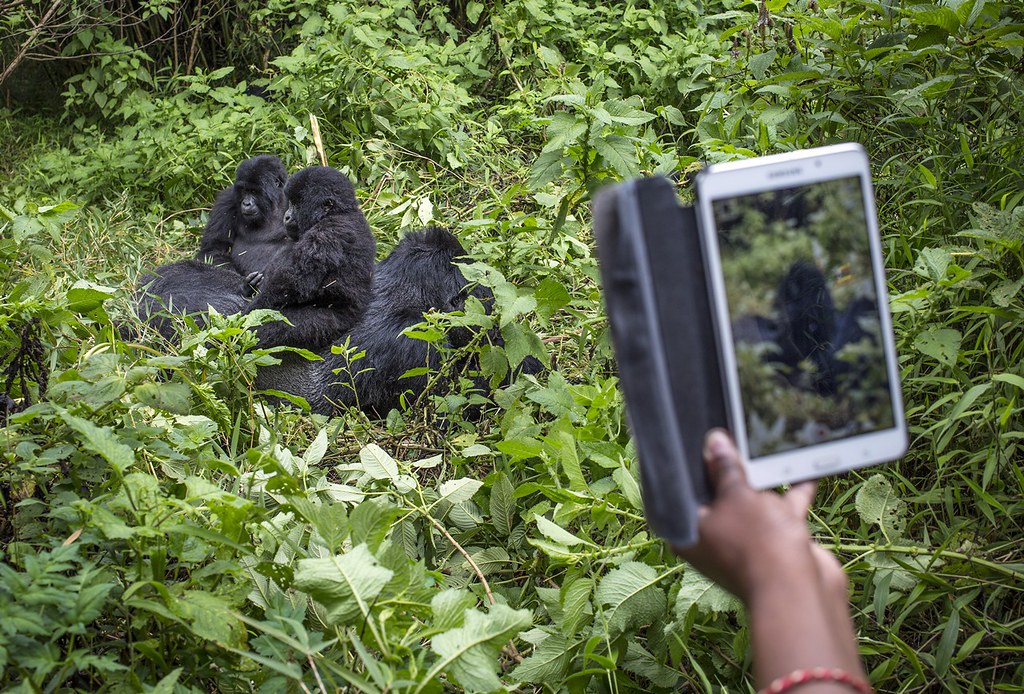
You’ll soon find yourself standing just meters away from the gorillas — watching a silverback calmly observing his family, mothers cradling their young, juveniles tumbling playfully in the vines. The atmosphere is silent except for the soft rustling of leaves and the occasional grunt of communication. You are allowed one full hour in their presence — sixty minutes that feel suspended in time, connecting you deeply to nature’s raw, unfiltered beauty.
Gorilla Families and Trekking Sectors
Bwindi has four main sectors where gorilla trekking takes place, each with its own habituated families and unique terrain:
Buhoma Sector – Northern Bwindi
This is the park’s original and most accessible sector, close to the town of Kabale and Lake Bunyonyi. Buhoma is home to famous groups like Mubare, Habinyanja, and Rushegura. It offers a mix of easy to moderate treks and has some of the best lodges in the park.
Ruhija Sector – Eastern Bwindi
Known for its high elevation and panoramic forest views, Ruhija is a birder’s paradise. Gorilla families such as Oruzogo and Bitukura live here. It’s less crowded and ideal for travelers seeking a quieter, more immersive experience.
Rushaga Sector – Southern Bwindi
Rushaga has the highest number of habituated gorilla families, making it a great choice for those looking for more permit availability. It’s also the only sector offering the Gorilla Habituation Experience, where trekkers can spend up to four hours observing a semi-habituated family alongside researchers.
Nkuringo Sector – Southwestern Bwindi
Nkuringo offers the most challenging treks but some of the most rewarding views over the Virunga Volcanoes and the forest canopy. The Nkuringo Family is known for its lively, playful behavior. This sector is ideal for adventurous travelers and photographers.
Gorilla Trekking Permits
A gorilla trekking permit in Uganda costs USD 800 per person, while the Gorilla Habituation Experience costs USD 1,500 per person. Permits are issued by the Uganda Wildlife Authority (UWA) and should be booked well in advance, especially during peak travel months.
Permits include park entry, ranger guides, and one hour with a habituated gorilla family. Only eight visitors are allowed per group per day to ensure minimal disturbance to the gorillas and their habitat.
Best Time to Visit Bwindi
Gorilla trekking in Bwindi is available year-round, but the best time to visit is during the dry seasons, from June to September and December to February. Trails are less slippery, and trekking conditions are easier. The wet seasons (March–May and October–November) bring lush vegetation and fewer crowds, offering excellent opportunities for photographers.
What to Pack
Essential gear for a Bwindi trek includes:
-
Sturdy, waterproof hiking boots
-
Long-sleeved shirts and trousers
-
A lightweight rain jacket
-
Gardening gloves (for gripping vegetation)
-
A walking stick (provided at the park)
-
Snacks and plenty of water
-
A camera with a zoom lens (flash not allowed)
Hiring a porter is highly recommended. Not only do they help carry bags, but it’s also a great way to support the local community.
Where to Stay
Bwindi offers a range of accommodation options to suit all budgets and sectors:
-
Luxury: Bwindi Lodge, Sanctuary Gorilla Forest Camp, Clouds Mountain Gorilla Lodge, Four Gorillas Lodge
-
Mid-range: Gorilla Mist Camp, Ichumbi Gorilla Lodge, Rushaga Gorilla Haven Lodge
-
Budget: Ride 4 a Woman Guesthouse, Bwindi Backpackers Lodge, Broadbill Forest Camp
Each lodge blends rustic charm with comfort, surrounded by the serene sounds of the rainforest.
Beyond Gorilla Trekking
Bwindi isn’t only about gorillas. Visitors can take community walks through nearby Batwa villages to learn about the traditional forest life of Uganda’s indigenous people. Birdwatching, nature hikes, and waterfall trails also offer ways to experience the forest’s diversity. The park’s rich cultural and natural balance makes it one of Africa’s most fulfilling destinations.
A Journey into the Heart of the Wild
Gorilla trekking in Bwindi Impenetrable National Park is more than an adventure — it’s a pilgrimage into the soul of the rainforest. Standing face-to-face with a mountain gorilla is a humbling reminder of our connection to nature and our shared responsibility to protect it. Every trek supports conservation and local communities, ensuring that future generations can continue to witness these extraordinary creatures in their natural home.