
Camping in Queen Elizabeth National Park: Sites, Rules & Tips
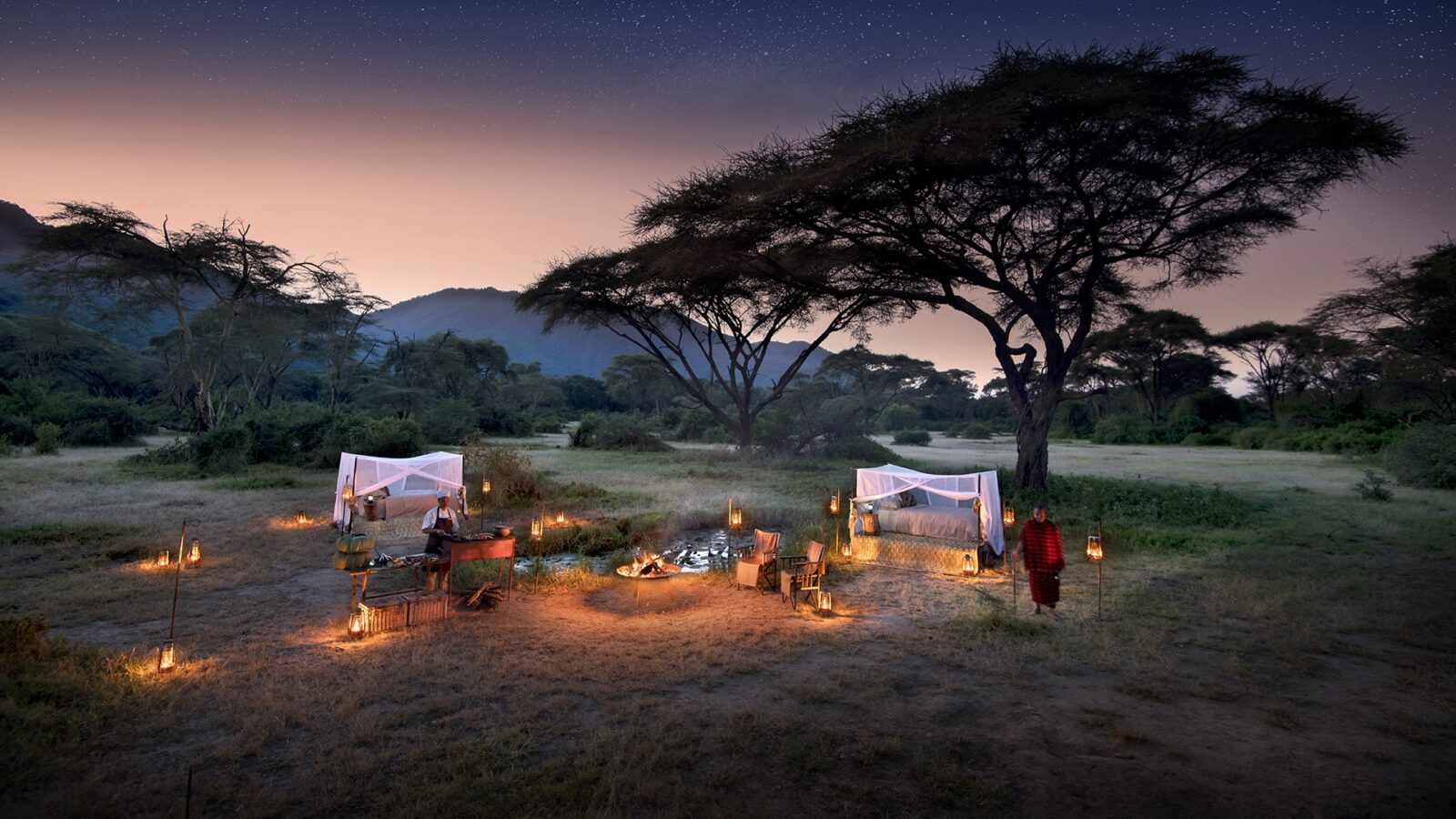
Most travelers researching Queen Elizabeth National Park default straight to lodge comparisons, understandably drawn to the comfort of a proper bed after a full day of game drives, but a genuinely dedicated community of budget travelers, overlanders, and self-drive adventurers consistently rate camping here as one of the more memorable ways to experience the park, not simply the cheapest way to see the park. Camping in Queen Elizabeth National Park puts you considerably closer to the genuine nighttime soundscape that defines this whole landscape, hippo grunts carrying across the Kazinga Channel, distant lion calls, the general chorus of a savanna ecosystem settling into darkness, an experience lodge walls inevitably soften. Understanding exactly where to camp, what the rules actually require, and how to properly prepare turns a purely budget-driven decision into a genuinely rewarding, memorable way to experience the park entirely on its own terms.
The Park’s Main Campsites
Queen Elizabeth National Park maintains several designated campsites spread across its different sectors, each offering a distinct character and proximity to the park’s main attractions. Mweya Campsite, positioned on the peninsula overlooking the Kazinga Channel, ranks among the most popular given its rustic but genuinely scenic setting and proximity to the channel’s dense wildlife concentration, meaning campers here often hear, and sometimes even see, hippos and other wildlife without needing to travel far at all from their own tent. Kasenyi campsite sits considerably closer to the park’s most productive game-viewing plains, appealing specifically to campers who prioritize early access to game drives over channel-side scenery. Ishasha, in the park’s southern reaches, offers camping close to the tree-climbing lion territory that draws many visitors to this specific sector in the first place, while Kazinga Shore provides a further water-adjacent option along the channel itself. Each site’s specific character shapes the overall camping experience considerably more than most first-time campers expect, so it is worth researching a specific site’s terrain, tree cover, and proximity to water rather than treating all four as broadly interchangeable options within the same park.
Costs and What They Actually Include
Standard public campsite fees within Queen Elizabeth typically run around $10 per person per night, a genuinely modest cost that generally includes access to pit toilets, firewood for a campfire, and a basic shelter suitable for cooking, though facilities vary somewhat by specific site and should always be confirmed directly with Uganda Wildlife Authority or your operator well before arrival. Wilderness or bush camping permits, for smaller, self-sufficient groups seeking a more remote experience away from the main designated sites, cost considerably more, generally around $40 per night, reflecting both the more specialized arrangement and the additional coordination required to camp safely outside the standard site infrastructure. These specific camping fees sit entirely separate from the park’s standard entrance fees and any game drive or boat cruise activity costs, worth factoring carefully into an accurate overall camping budget rather than assuming the campsite fee alone covers the full park experience.
What Facilities Actually Look Like on the Ground
Basic public campsites deliver genuinely basic facilities, pit latrines, a fire pit, and often little else beyond flat, cleared ground for pitching tents, meaning campers should arrive fully self-sufficient with their own tent, sleeping gear, cooking equipment, water, and food rather than expecting anything resembling lodge-level infrastructure. Some campsites offer slightly more developed facilities through private operators managing specific sites within the park, including proper showers or a small cooking shelter, and confirming exactly what a specific site offers before booking prevents an unwelcome surprise on arrival. Travelers used to fully-serviced campgrounds elsewhere in the world should recalibrate expectations accordingly, since Queen Elizabeth’s camping infrastructure prioritizes genuine wilderness proximity over creature comforts. This trade-off is precisely what draws experienced campers back repeatedly, since the same lack of heavy infrastructure that some visitors find inconvenient is exactly what preserves the sense of being genuinely immersed in the park rather than insulated from it by walls and generator noise.
Camping Rules Worth Understanding Before You Arrive
Uganda Wildlife Authority enforces genuinely clear, strict rules around exactly where camping is permitted, and setting up outside designated sites is both against park regulations and genuinely risky given the wildlife density across Queen Elizabeth’s open, largely unfenced landscape. Random or informal camping anywhere convenient is not an option here the way it might be in some less wildlife-dense destinations, and respecting this rule matters both for your own safety and for the broader conservation principle of keeping human activity concentrated within managed, monitored areas rather than dispersed unpredictably across sensitive habitat. Campfire restrictions tighten considerably during Uganda’s drier months, when fire risk across the surrounding grassland increases substantially, and checking current fire regulations with park staff before simply assuming a campfire will be permitted matters far more during these specific dry periods than it does during the wetter parts of the year.
Wildlife Safety Specific to Camping
Camping in a park with Queen Elizabeth’s wildlife density demands genuine, ongoing caution beyond what a standard lodge stay requires, given how much less separation exists between campers and the surrounding ecosystem. Hippos, responsible for more human fatalities across Africa than most other large mammals, move between water and grazing areas after dark along established routes that can pass near or through campsite grounds, making it essential to never walk directly between a hippo and open water and to stay alert during any nighttime movement around camp. Never leave food unsecured overnight, since this attracts everything from opportunistic baboons to larger, considerably more dangerous predators drawn in by the scent, and always following any camp-specific safety briefing given by rangers or your guide upon arrival, rather than assuming general camping experience gained elsewhere automatically transfers to this specific setting, matters considerably given how different Queen Elizabeth’s wildlife risk profile is from camping destinations without this level of large-mammal density.
Combining Camping With Your Overall Queen Elizabeth Itinerary
Camping works particularly well for travelers building a longer, multi-park Uganda itinerary who genuinely want to stretch a limited overall budget across more destinations, self-drive travelers with their own vehicle and gear, or anyone specifically seeking a more immersive, less insulated wildlife experience than a lodge stay provides. Many campers combine a night or two at Mweya or Kasenyi with the park’s standard activities, game drives across the productive plains, a Kazinga Channel boat cruise for the park’s dense hippo and bird population, and, for those with extra time, a chimpanzee trek at Kyambura Gorge, without ever needing lodge-level accommodation to access any of these genuinely core park experiences. Our page on the Queen Elizabeth National Park overview covers these broader activities in more depth for travelers building a complete itinerary around a camping base.
What to Pack for a Queen Elizabeth Camping Trip
Beyond standard camping essentials, a few Queen Elizabeth-specific items are worth prioritizing given the park’s particular conditions. A genuinely sturdy tent capable of handling both potential rain and the general wear of savanna camping matters more here than a minimal, ultralight setup designed for milder conditions. A reliable torch or headlamp is essential for any nighttime movement around camp, both for navigating safely and for spotting any wildlife that might be moving through the area before it gets uncomfortably close. Insect repellent and appropriate malaria precautions matter as much here as anywhere else in Uganda’s lower-elevation parks, and packing genuinely enough water and food for real self-sufficiency throughout your stay, rather than assuming a nearby shop will fill any gaps, reflects the plain reality of camping within a remote national park rather than a fully developed campground closer to town. A basic first aid kit, a portable charging solution given how genuinely limited or entirely nonexistent mains power is at most designated sites, and a means of purifying or treating water beyond what you carry in round out the practical essentials worth packing before setting off from Kampala or Entebbe rather than assuming they can be sourced locally near the park itself.
Making Camping Part of a Broader Uganda Experience
Our overview of hippo pools of Queen Elizabeth is worth reading alongside camping plans specifically, since understanding hippo movement patterns matters even more when you are sleeping considerably closer to their nighttime routes than a lodge guest would be. Our page on the park’s elephant population rounds out the broader wildlife context worth understanding before setting up camp in their territory. Camping in Queen Elizabeth National Park rewards travelers willing to trade lodge comfort for genuine proximity to the park’s nighttime rhythm, an experience that, done properly and safely, often becomes the specific memory campers describe most vividly once they are back home. Ask any experienced Queen Elizabeth camper what they remember most, and the answer is rarely a specific animal sighting during a game drive; it is almost always some version of lying awake at night listening to the channel’s hippos, a sound no lodge room, however comfortable, ever quite manages to deliver in the same unfiltered way.