
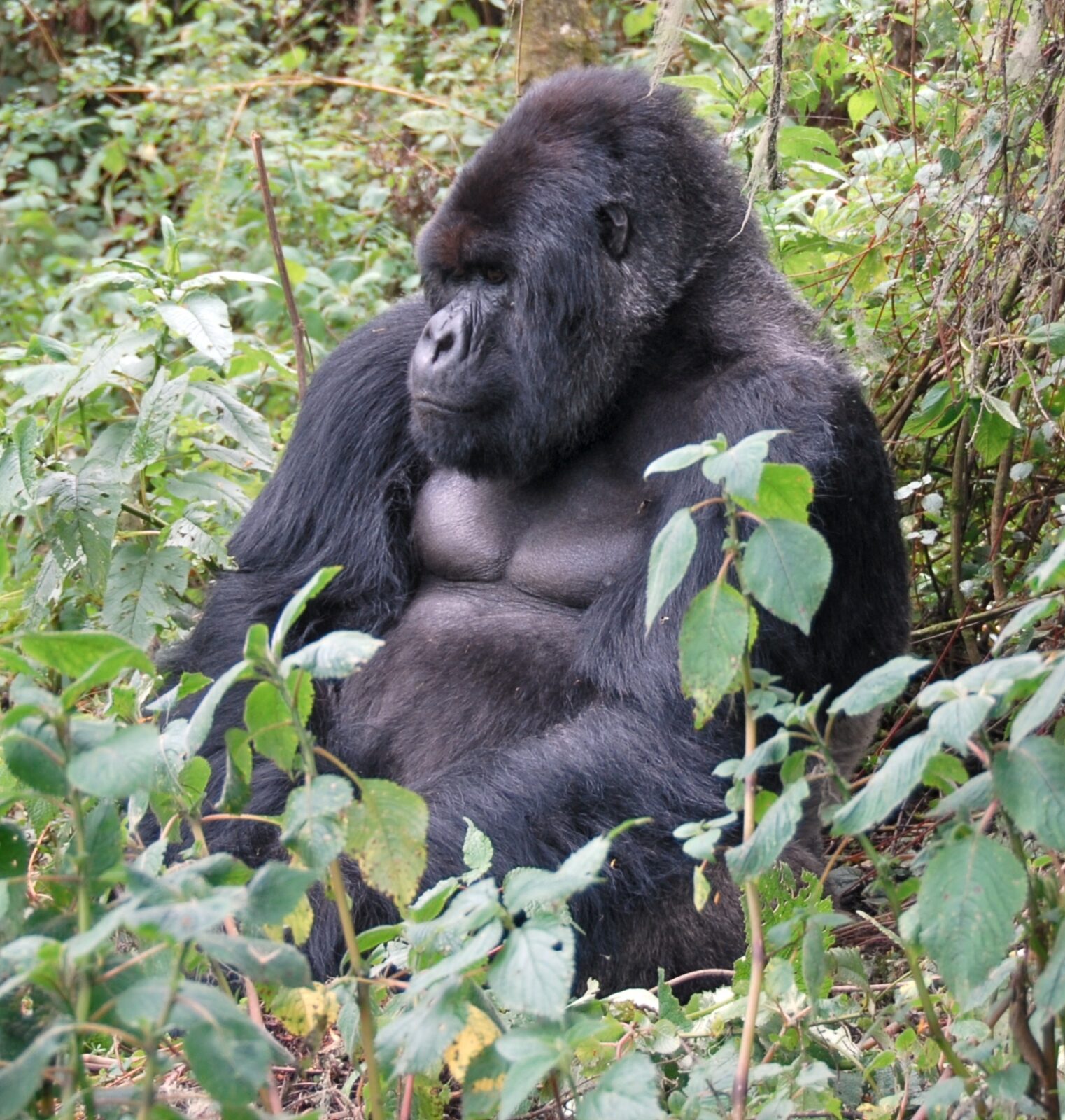
Can Mountain Gorillas Survive Without Human Intervention?
Given how extensively human intervention now shapes mountain gorilla survival, veterinary care, anti-poaching patrols, habitat protection, and tourism-funded conservation infrastructure, a genuinely interesting question emerges: could this species survive if all that human intervention suddenly disappeared? Examining this question honestly reveals a complicated answer, one that says as much about the current state of the species’ habitat and threats as it does about gorillas’ inherent biological resilience.
The Historical Context: Gorillas Survived Without Intervention for Millennia
Mountain gorillas evolved and survived in their current habitat for hundreds of thousands of years without any human conservation intervention whatsoever, developing the behavioural and ecological adaptations that allowed them to thrive within their specific high-altitude forest niche long before modern conservation existed. This deep evolutionary history demonstrates that mountain gorillas are inherently capable of independent survival under natural conditions, the current dependency on human intervention reflects specifically human-caused threats rather than any fundamental biological inability to survive without assistance.
Why Modern Threats Are Fundamentally Different
The threats mountain gorillas face today, poaching, snares originally set for other wildlife, disease transmission risk from human proximity, and habitat fragmentation from surrounding human population growth, are themselves largely human-caused, meaning the “intervention” gorillas currently require exists specifically to counteract human-generated pressures rather than addressing purely natural survival challenges. This distinction matters considerably, since it suggests that without the human-caused threats requiring intervention, gorillas’ underlying biological capacity for independent survival would likely remain intact.
Population Size and Genetic Viability Concerns
With a total population of roughly 1,000 individuals split across two genetically separate subpopulations, mountain gorillas face genuine questions about long-term genetic viability that exist somewhat independently of active human threats, smaller populations generally face elevated risk from genetic bottlenecks, reduced adaptive capacity, and vulnerability to random catastrophic events regardless of active poaching or habitat pressure. This population-size concern represents one area where the species’ current vulnerability isn’t purely a function of active human threat but rather a structural consequence of the population’s historically reduced numbers.
Habitat Constraints Without Active Protection
Without active habitat protection, specifically parks boundaries and ranger enforcement preventing agricultural encroachment, mountain gorilla habitat would likely face continued shrinkage given the substantial human population density and agricultural pressure surrounding current gorilla range in both Uganda and Rwanda. This habitat protection function represents perhaps the most fundamental form of ongoing intervention gorillas currently require, since without it, the physical space necessary for population survival would likely continue contracting.
Disease Risk Without Human Health Monitoring
Interestingly, removing all human contact would actually reduce one significant current threat, disease transmission from tourist and researcher proximity, though this benefit would need to be weighed against losing the active veterinary intervention that currently treats snare injuries and other health issues gorillas encounter. This creates a genuinely complex trade-off, less human-transmitted disease risk, but also no medical intervention when gorillas encounter injuries or illness that veterinary care currently successfully treats.
What Would Happen to Poaching Without Ranger Patrols
Removing active ranger patrols and anti-poaching enforcement would almost certainly increase poaching pressure on mountain gorillas, both direct targeting and, more commonly, incidental snare injuries from poaching aimed at other wildlife species sharing gorilla habitat. This represents perhaps the clearest case where active human intervention directly counteracts an ongoing human-caused threat, poaching pressure driven by economic circumstances among communities surrounding gorilla habitat, meaning removing intervention would likely allow this threat to intensify rather than naturally resolve itself.
The Counterfactual Nobody Can Fully Test
Answering this question definitively remains genuinely impossible, since mountain gorillas exist today within a landscape already fundamentally shaped by decades of both human threat and human intervention, meaning there’s no genuine “natural baseline” scenario to observe or compare against. Any answer necessarily involves informed speculation based on understanding the underlying threats and gorilla biology, rather than direct observation of how an intervention-free scenario would actually unfold in practice.
What Conservation Scientists Generally Believe
Most conservation scientists working directly with mountain gorillas hold that the species would face significant, likely severe population decline without continued active intervention, given the current scale of human population pressure surrounding gorilla habitat and the persistent economic incentives driving poaching activity in the region. This assessment reflects genuine scientific consensus rather than simply institutional self-interest in justifying continued conservation funding, the underlying threat analysis genuinely, robustly supports continued intervention as clearly necessary for population survival under current regional conditions and pressures.
Long-Term Vision: Reducing Intervention Dependency Over Time
Some conservation planners envision a longer-term trajectory where sustained community development, economic alternatives to poaching, and strengthened habitat protection eventually reduce the intensity of active intervention required, without necessarily eliminating it entirely, a gradual shift toward greater population self-sufficiency as underlying threat drivers diminish through sustained conservation and development investment. This aspirational trajectory remains a genuinely long-term goal rather than a near-term expectation, given how deeply embedded current threats remain within the broader regional economic and demographic context.
Why This Question Matters for Understanding Conservation
Understanding that mountain gorillas’ current dependency on intervention stems specifically from human-caused threats, rather than inherent biological fragility, reframes the entire conservation project as fundamentally about addressing human behaviour and economic circumstances rather than simply managing a biologically weak species. This framing matters for how conservation funding and strategy gets prioritised, addressing root causes like poverty and land pressure alongside direct protective intervention rather than treating intervention alone as a permanent, standalone solution.
Appreciating the Full Picture
Every mountain gorilla encountered during a trek exists today because of sustained, active human intervention counteracting equally human-caused threats, a genuinely important context for understanding what conservation success actually requires going forward. Travellers planning a Uganda gorilla trekking safari can appreciate that their visit supports not just direct gorilla protection but the broader effort to address the human circumstances ultimately driving continued need for that intervention.
Comparing Mountain Gorillas to Other Species That Recovered Independently
Some wildlife species have demonstrated genuine capacity for population recovery with reduced human intervention once specific threats were addressed, offering a useful comparison point for thinking about mountain gorillas’ own potential trajectory, though these comparisons must account for the specific circumstances distinguishing gorilla habitat, extremely limited range, dense surrounding human population, from species that recovered within larger, less human-pressured landscapes. This comparative context suggests that while reduced intervention dependency remains theoretically possible for mountain gorillas, the species’ particular circumstances make this outcome considerably more challenging to achieve than for species facing less severe habitat constraints.
What Complete Withdrawal of Intervention Would Actually Look Like
A genuinely complete withdrawal of human intervention would mean not just ending ranger patrols and veterinary care, but also removing the park boundaries and legal protections currently preventing agricultural conversion of gorilla habitat, a scenario that would likely accelerate habitat loss considerably faster than any other single factor. This fuller picture of what “no intervention” would genuinely entail helps clarify that habitat protection itself, not merely direct animal care, represents the most fundamental and consequential form of ongoing human intervention mountain gorillas currently depend upon for continued survival.
The Practical Irrelevance of This Hypothetical
Ultimately, this question remains a genuinely useful thought experiment for understanding conservation dynamics rather than a scenario anyone seriously proposes testing, given the catastrophic population decline virtually all experts agree would likely result from actually withdrawing current conservation intervention. The practical conservation question facing Uganda, Rwanda, and the Democratic Republic of Congo isn’t whether to maintain intervention, but rather how to sustain and strengthen it most effectively given genuinely limited resources and the persistent underlying threats driving continued need for active, sustained protection.
What This Means for Continued Conservation Commitment
Accepting that mountain gorillas cannot realistically survive current conditions without sustained human intervention carries an important implication for how conservation organisations, governments, and travellers should think about their ongoing role, not as temporary emergency responders working toward eventual withdrawal, but as permanent, essential participants in an ongoing conservation partnership the species genuinely requires for the foreseeable future. This reframing helps set appropriately realistic expectations about what continued gorilla conservation success actually demands over the coming decades.
How Tourism Revenue Complicates the Question Further
Adding another layer of complexity, the very tourism revenue funding current gorilla conservation intervention depends on gorillas being habituated to human presence in the first place, meaning any scenario involving genuine intervention withdrawal would also eliminate the funding mechanism currently sustaining conservation operations. This creates a somewhat circular dynamic, human intervention through tourism habituation generates the funding that supports other forms of human intervention like veterinary care and ranger patrols, making it genuinely difficult to imagine any realistic pathway toward meaningfully reduced intervention that doesn’t also simultaneously undermine the very conservation funding model currently keeping the entire population genuinely stable.
Lessons This Question Teaches About Conservation Generally
This hypothetical ultimately illustrates a broader truth applicable well beyond mountain gorillas specifically, that many endangered species conservation situations today involve addressing fundamentally human-caused threats through continued human intervention, rather than representing purely natural ecological challenges existing independently of human activity. Recognising this pattern helps clarify why conservation success for species like mountain gorillas requires sustained, ongoing commitment rather than a one-time intervention expected to produce permanent, entirely self-sustaining recovery without continued long-term support.