
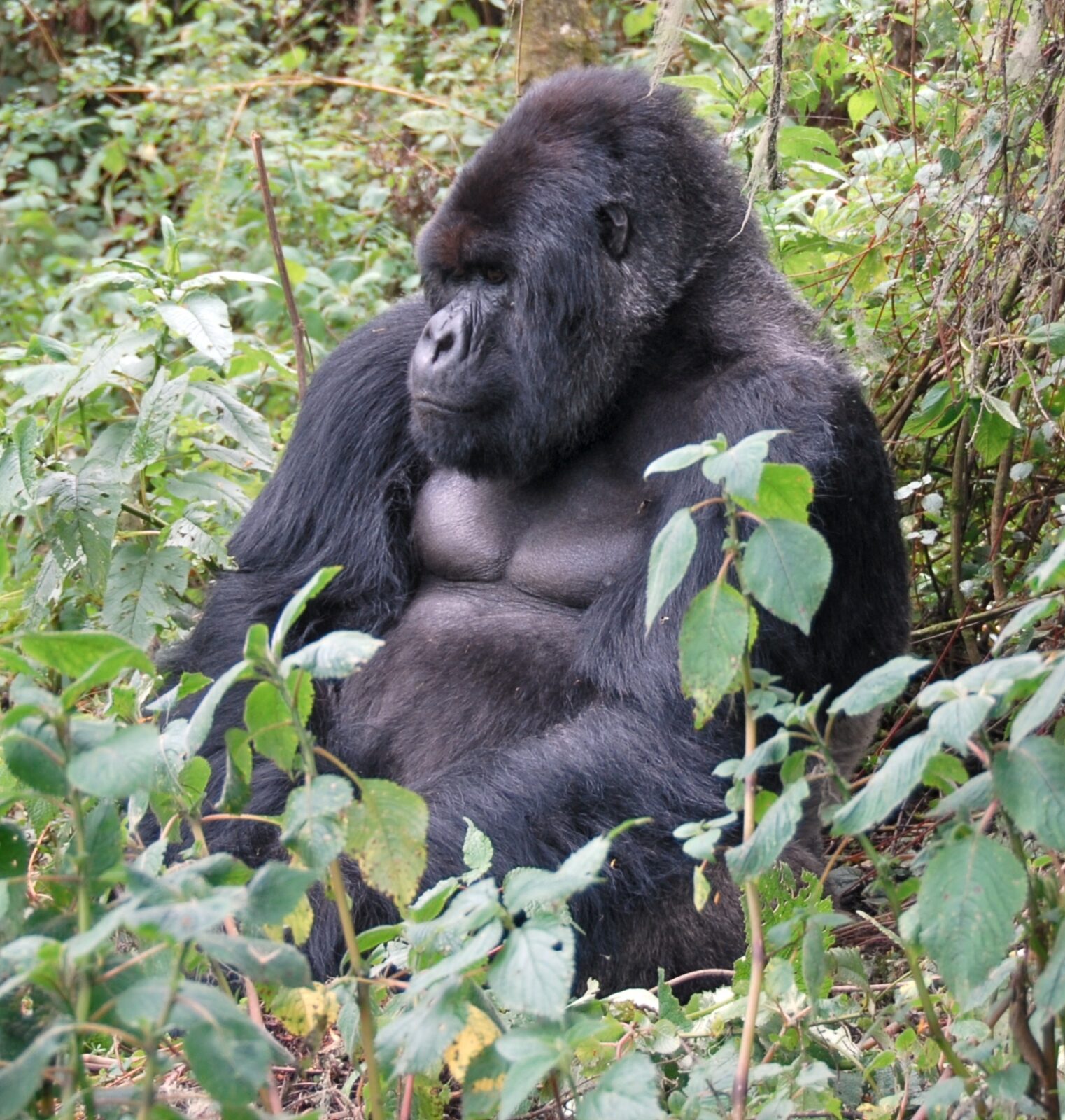
Climate Change and Mountain Gorillas: What the Research Says
While poaching, disease, and habitat fragmentation have long dominated mountain gorilla conservation discussions, climate change has steadily emerged as a genuinely significant, longer-term threat that researchers are only just beginning to fully understand and accurately quantify. Examining what current research actually reveals about climate change’s impact on mountain gorillas offers a more complete, honest picture of the challenges this recovering but still genuinely vulnerable species faces heading into the coming decades ahead.
How Climate Change Affects High-Altitude Forest Habitat
Mountain gorillas depend entirely on the specific high-altitude forest ecosystems found in the Virunga range and Bwindi Impenetrable Forest, habitats characterised by particular temperature and rainfall patterns that support the specific vegetation gorillas rely on for food. Climate researchers studying East African highland ecosystems have documented shifting temperature and precipitation patterns across the region, changes that could gradually alter the composition and distribution of vegetation zones gorillas depend upon, even within their currently protected habitat boundaries.
Vegetation Shifts and Food Availability
Mountain gorillas maintain a highly specific herbivorous diet built around particular plant species found within their high-altitude habitat, meaning any climate-driven shift in vegetation composition, timing of plant growth cycles, or overall forest productivity could meaningfully affect food availability over time. Current research suggests these effects would likely unfold gradually rather than as a sudden crisis, but scientists studying the issue emphasise that even gradual dietary stress could compound other existing conservation pressures facing the population.
The “Habitat Squeeze” Concern
Because mountain gorillas already occupy an extremely limited, essentially fixed habitat range surrounded by dense human agricultural land, they lack the option many wildlife species have of simply shifting their range upward or outward in response to changing climate conditions, a phenomenon researchers term “habitat squeeze.” This constraint makes mountain gorillas particularly vulnerable to climate-driven habitat change compared to species with greater freedom to migrate toward more favourable conditions as their existing habitat shifts.
Research Gaps and Ongoing Scientific Study
Despite growing concern, researchers studying mountain gorillas and climate change consistently acknowledge that comprehensive, long-term data specifically quantifying climate impacts on this population remains genuinely limited compared to research on more accessible or numerous species elsewhere. This research gap reflects both the logistical challenges of conducting long-term ecological research within remote, difficult-to-access mountain gorilla habitat and the relatively recent emergence of climate change as a prioritised research focus within broader mountain gorilla conservation science.
Disease Risk and Climate Interaction
Some researchers have raised concerns about potential interactions between climate change and disease risk, changing temperature and moisture conditions potentially affecting pathogen survival, insect vector populations, or gorilla immune resilience in ways that could compound existing disease transmission concerns already facing the population. While this specific interaction remains an active area of scientific investigation rather than a fully established finding, it represents exactly the kind of compounding risk factor that makes climate change’s overall impact potentially more significant than examining any single effect in isolation.
Water Source Reliability
Changing rainfall patterns across the Virunga range and Bwindi could affect the reliability of water sources gorillas depend upon, particularly during any prolonged dry periods that might result from shifting regional climate patterns. Researchers monitoring this concern note that mountain gorillas obtain much of their water needs through vegetation consumption rather than direct drinking, somewhat buffering this specific risk compared to species more directly dependent on standing water sources, though the interaction with broader vegetation availability remains relevant.
Conservation Planning Adaptations
Conservation organisations working with mountain gorillas have begun incorporating climate resilience considerations into longer-term habitat protection and management planning, including monitoring vegetation changes over time, supporting habitat corridor connectivity where feasible, and factoring climate projections into broader conservation strategy development. This proactive planning approach reflects growing institutional recognition that climate change requires genuine strategic attention now, even while the most severe potential impacts remain years or decades away from fully manifesting.
How This Compares to Climate Threats Facing Other Species
Mountain gorillas’ climate vulnerability, while genuine, differs in character from climate threats facing species dependent on rapidly disappearing ice, coastal, or extremely temperature-sensitive habitats, where climate change effects are already producing more immediate, measurable population impacts. This relative timeline difference doesn’t diminish the genuine long-term concern climate change represents for mountain gorillas, but it does mean the threat currently ranks somewhat differently in immediate urgency compared to more acute existing pressures like poaching or disease transmission.
What Continued Research Will Reveal
Ongoing and future research specifically focused on quantifying climate change’s actual impact on mountain gorilla habitat and population health will considerably sharpen conservation planners’ understanding of exactly how urgent and severe this particular threat category genuinely is compared to current, more immediate conservation priorities. Until this research matures further, conservation organisations generally treat climate change as a genuine, serious long-term concern warranting proactive attention rather than either dismissing it prematurely or treating it as an immediate crisis on par with more acute existing threats.
Why This Research Matters for Conservation Funding Priorities
Understanding climate change’s genuine, if still incompletely quantified, threat to mountain gorillas matters directly for how conservation organisations allocate limited funding and research resources across competing priorities, poaching prevention, disease monitoring, community engagement, and now increasingly, climate resilience planning. Getting this prioritisation right, based on genuinely rigorous research rather than speculation in either direction, will meaningfully shape how effectively conservation efforts protect mountain gorillas across the coming decades of accumulating climate change impact.
Supporting Conservation Amid Emerging Challenges
As climate change joins the established list of threats facing mountain gorillas, sustained conservation funding, much of it generated directly through gorilla trekking tourism revenue, becomes increasingly important for supporting the kind of proactive research and adaptive management this emerging challenge requires. Travellers planning a Uganda gorilla trekking safari contribute directly to conservation funding that increasingly must address not just today’s established threats but tomorrow’s emerging climate-related challenges as well.
The Broader Regional Climate Context
Mountain gorilla habitat sits within a broader East African region already experiencing documented climate shifts affecting agriculture, water resources, and weather predictability across surrounding human communities, meaning any climate impact on gorilla habitat unfolds within a larger regional context of climate adaptation challenges. This broader regional dimension means conservation organisations addressing climate risk to gorillas increasingly coordinate with wider regional climate adaptation efforts, recognising that gorilla habitat protection and surrounding community climate resilience are genuinely interconnected challenges rather than entirely separate concerns.
Monitoring Technology Supporting Climate Research
Advances in satellite monitoring, vegetation mapping, and long-term ecological data collection have meaningfully improved researchers’ ability to track subtle habitat changes across mountain gorilla range over time, technology that simply wasn’t available during earlier decades of gorilla conservation research. This improved monitoring capacity means future research will likely produce considerably more precise understanding of climate change’s actual trajectory and impact on gorilla habitat than was possible even a decade ago, strengthening the evidence base available for conservation planning decisions.
Why Uncertainty Doesn’t Mean Inaction
The genuine scientific uncertainty still surrounding many specific climate change impacts on mountain gorillas shouldn’t be mistaken for a reason to delay proactive conservation planning, since waiting for complete certainty before acting on a genuinely plausible, well-supported long-term threat risks allowing preventable habitat degradation to accumulate before adequate response measures are in place. Conservation organisations working with mountain gorillas generally favour this precautionary approach, treating current research as sufficient justification for meaningful proactive investment even while more definitive long-term data continues accumulating.
International Scientific Collaboration on the Issue
Climate research specific to mountain gorilla habitat increasingly involves collaboration between regional conservation organisations, national wildlife authorities, and international climate and ecology research institutions, pooling specialised expertise and resources that no single organisation could realistically muster entirely on its own. This collaborative research model reflects growing recognition that understanding and responding to climate change’s impact on mountain gorillas requires genuinely interdisciplinary expertise spanning climatology, ecology, veterinary science, and conservation policy, rather than any single research discipline working in isolation.
What Travellers Can Do Beyond Trekking
Beyond the conservation contribution already embedded in gorilla trekking permit fees, travellers interested specifically in climate research supporting mountain gorilla conservation can seek out tour operators and lodges demonstrating genuine environmental sustainability commitments, and consider additional direct donations to conservation organisations actively researching and addressing climate impacts on gorilla habitat. These additional choices, while individually quite modest, collectively help ensure conservation organisations have adequate resources to address this genuinely complex, still-emerging threat category alongside their more established, longstanding conservation priorities.
A Forward-Looking Conservation Priority
Climate change represents a genuinely different kind of conservation challenge than the more immediate, direct threats mountain gorillas have historically faced, poaching, disease, and habitat loss all involve relatively direct cause-and-effect relationships, while climate change unfolds gradually across decades through complex ecological interactions that researchers are still working to fully understand. This distinction doesn’t make climate change any less genuinely important to address, but it does mean conservation organisations must carefully balance this longer-term, still-developing threat against more immediate, considerably better-understood conservation priorities when allocating genuinely limited resources and attention.