
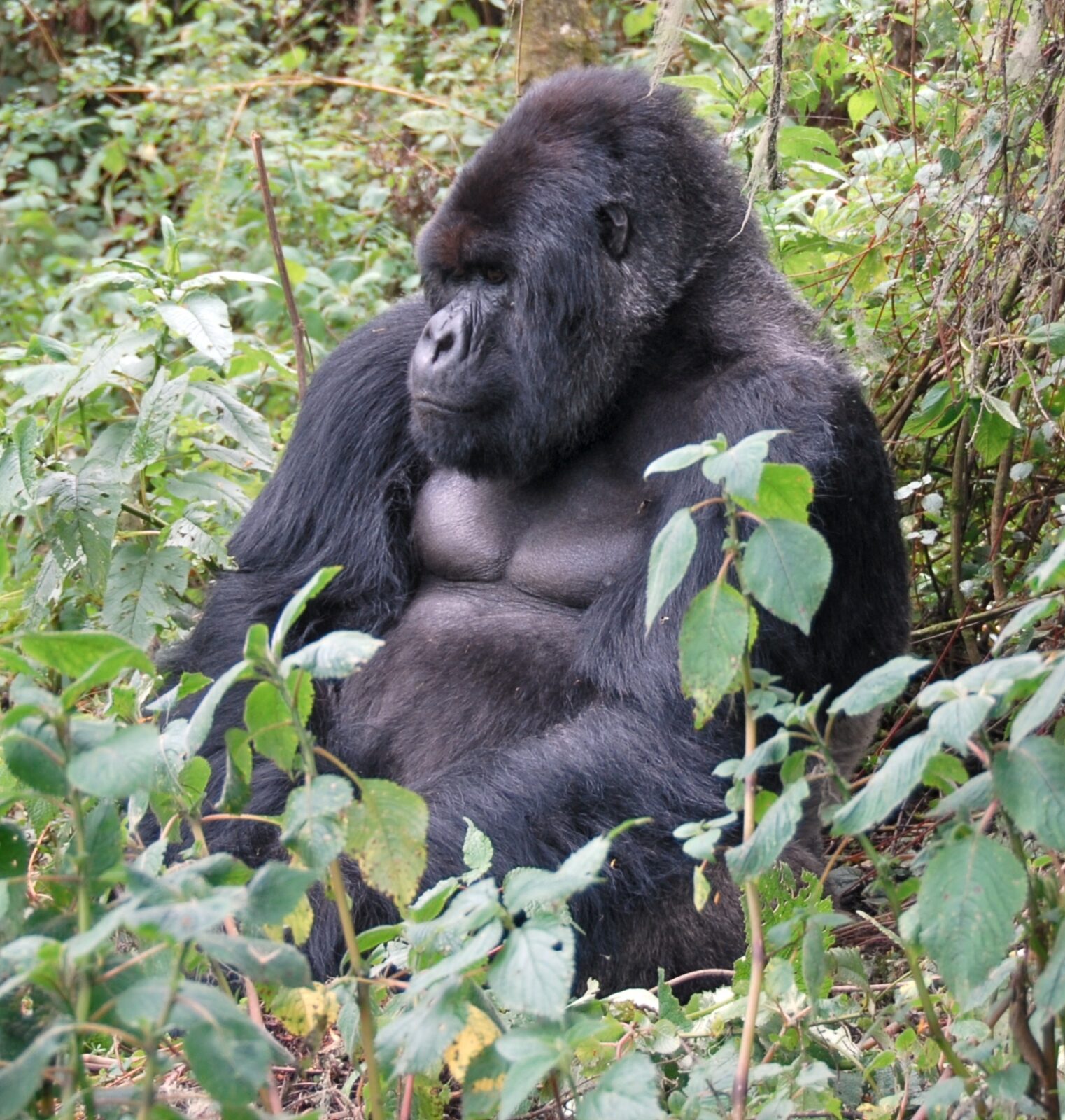
A gorilla permit costs several hundred dollars, a lodge night can cost more again, and it’s fair to wonder how much of that actually reaches the ranger guiding you, the tracker who found the family before dawn, and the porter carrying your bag over difficult terrain. Gorilla safari fair wages is a genuinely complicated question, and the honest answer is that it varies considerably depending on who employs the person in front of you.
Most trekkers never think to ask this question at all, absorbed instead in the logistics of booking and preparing for the trek itself. It’s worth asking anyway, both out of basic curiosity about where a significant sum of money actually goes, and because the answer meaningfully shapes how you should think about tipping and choosing an operator.
Who Actually Employs Your Trekking Team
This structure surprises some trekkers who assume, reasonably enough from the outside, that the person leading their trek is directly employed and paid by whichever tour company sold them the package. In reality, your tour operator arranges logistics, accommodation, and permits on your behalf, but the ranger and tracker team you meet in the park works for the government wildlife authority, operating under an entirely separate employment and pay structure from your commercial booking.
Your ranger and tracker are typically government employees, working for Uganda Wildlife Authority, Rwanda Development Board, or Congo’s ICCN, paid a formal salary set by that government body rather than by your tour operator or the lodge you’re staying at. Porters, by contrast, are usually organised locally through a community porter association at each sector, working on a per-trek basis rather than a formal salary, with earnings that depend heavily on tips as much as the base daily rate.
What Rangers and Trackers Actually Earn
It’s worth being upfront that specific salary figures aren’t publicly itemised in a way that’s easy for an outside visitor to verify precisely, and public sector pay structures across Uganda, Rwanda, and the DRC also differ from each other, meaning a ranger’s compensation in one country isn’t necessarily directly comparable to a counterpart across the border. What’s consistently true across all three, though, is that the gap between what visitors pay for a permit and what any individual staff member earns from that transaction directly is considerably larger than most first-time trekkers assume, precisely because permit revenue is allocated across a much wider set of conservation, infrastructure, and community obligations than staff salaries alone.
Government ranger salaries in the region are modest by international standards, reflecting broader public sector pay scales in Uganda, Rwanda, and the DRC rather than the premium prices tourists pay for permits. This is a genuine structural tension worth understanding: permit revenue funds conservation programmes, park infrastructure, and community revenue-sharing broadly, but a ranger’s individual take-home pay is set through standard government employment terms, not as a direct cut of what any specific trekking group paid that day.
Porters: The Role Most Directly Affected by Visitor Behaviour
This is worth dwelling on because it’s the one part of the fair-pay equation where an individual trekker’s specific choices, made on a single day, have a direct and immediate impact, unlike the broader government salary and revenue-sharing structures that operate independently of any one visitor’s decisions.
Porters occupy a different position entirely, and this is where individual trekker choices genuinely matter most. A porter’s daily fee is generally modest, and tips make up a meaningful share of what they actually take home from a day’s work. Trekkers who skip hiring a porter to save a small amount directly reduce income opportunities within the local community organising that work, since porter roles are specifically structured to channel tourism income into the villages bordering the park, often prioritising community members with limited other income options.
Why Tipping Isn’t Really Optional, Practically Speaking
Framed this way, the entire tipping conversation shifts from a question of generosity toward one of accuracy – understanding what fair total compensation for this work actually looks like, and recognising that the formal daily rate alone doesn’t represent it, changes how a thoughtful trekker approaches the decision entirely.
Given how the compensation structure actually works, tipping functions less like a bonus for good service and more like a genuine component of fair compensation that the base pay structure assumes will be supplemented. Operators can usually provide a recommended tipping range for your ranger, tracker, and porter team, and treating that range as a real, expected cost of the trip, budgeted for in advance, is a more accurate way to think about it than treating tips as optional generosity.
How Operators Differ in Supporting Fair Pay
This is genuinely one of the more revealing questions you can ask a prospective operator during the booking process, precisely because it separates companies with a real, practised answer from those offering only vague reassurance. An operator that can speak specifically about which porter association they work with at a given sector, or how they structure staff arrangements at the lodges they use, is demonstrating an actual working relationship with local labour practices rather than a marketing talking point added for appearances.
Beyond what individual trekkers tip, tour operators themselves vary in how they structure porter and local staff arrangements, and in whether they actively support fair, consistent local wages as a stated policy rather than simply defaulting to whatever the cheapest available arrangement happens to be. Asking a prospective operator directly about this, before booking, is a reasonable question and one that a genuinely community-invested operator will usually answer specifically and readily.
The Bigger Picture: Revenue-Sharing Beyond Individual Wages
It’s worth holding both pictures in mind simultaneously – the individual, immediate fairness of a single day’s tip, and the broader, slower-moving structural fairness of how permit revenue funds an entire regional conservation and community-benefit system over years. Neither replaces the other; both matter to a genuinely honest picture of where your money goes.
Individual wages and tips are only part of how tourism revenue reaches communities bordering the parks. Formal revenue-sharing programmes, funded from permit fees, direct a percentage toward community infrastructure – schools, clinics, roads – independent of any single trekker’s tipping choices. This broader structure matters alongside individual fair pay, since it funds community benefit even in years or seasons when tourist numbers, and therefore direct tips, might dip.
Comparing This to Tipping Norms Elsewhere
Trekkers arriving from countries with a strong tipping culture, like the United States, tend to adjust to this expectation quickly, since it maps reasonably well onto habits they already carry. Trekkers from countries where tipping is minimal or considered unusual, including much of Europe and parts of Asia, sometimes find this aspect of the trip genuinely unfamiliar, and it’s worth those travellers specifically doing a bit of research beforehand rather than assuming their home country’s norms transfer directly to a gorilla trekking context, where the underlying compensation structure is quite different from a restaurant or hotel setting.
What You Can Actually Do About It
Budgeting properly for tips before you travel, rather than deciding on the spot, is the most direct thing an individual trekker controls. Beyond that, choosing an operator that’s transparent about how it structures porter and staff arrangements, and asking directly rather than assuming, puts a small amount of market pressure toward operators taking fair pay seriously rather than treating it as an afterthought.
A Final Word on Approaching This Thoughtfully
None of this is meant to sour an otherwise remarkable experience with guilt or over-analysis. It’s simply worth going in with clear eyes about how the money you’re spending actually moves through the system, so that your choices around tipping and operator selection are informed decisions rather than afterthoughts squeezed in at the last minute once you’re already standing at the trailhead with cash you hadn’t quite planned for.
Frequently Asked Questions
How much should I budget for tips specifically?
Ask your operator for a current recommended range for your group size, since this can shift over time and varies somewhat between Uganda, Rwanda, and the DRC. Budgeting this in advance, in cash, avoids an awkward last-minute scramble on trek day itself.
Does the government or the tour operator set porter pay rates?
Typically a local community porter association at each sector sets the base daily rate, sometimes in coordination with park authorities, rather than individual tour operators setting rates unilaterally without any local input at all.
Is it appropriate to tip rangers and trackers directly, or should it go through the operator?
Direct tipping to your ranger, tracker, and porter team at the end of the trek is standard practice and generally preferred over routing tips through an operator, since it ensures the money reaches the specific people who did the work that day, rather than being absorbed into a broader company account.
For more on planning this part of your trip properly, this full cost breakdown covers tipping and other often-overlooked expenses, and this guide to community-based conservation in Bwindi covers the wider revenue-sharing picture in considerably more depth than a single article on wages alone can properly cover.