
Gorilla Safari Itinerary for First-Timers: Day-by-Day Guide
A gorilla safari for first-time travelers is one of the most powerful wildlife experiences in the world, especially when visiting destinations such as Bwindi Impenetrable National Park or Volcanoes National Park. Unlike a standard wildlife safari where animals are viewed from a distance, gorilla trekking places you inside dense rainforest environments where you walk through misty hills, bamboo forests, and ancient jungle trails to meet a fully habituated gorilla family face-to-face.
For first-timers, the experience can feel overwhelming without proper planning. A structured day-by-day itinerary helps you understand how your journey unfolds from arrival to trekking day and departure. This guide provides a detailed, realistic flow of what to expect, including travel logistics, acclimatization, briefing procedures, trekking experience, and recovery time after the hike.
Day 1: Arrival and Transfer to the Safari Region
Your gorilla safari begins the moment you land in either Uganda or Rwanda. Most travelers arrive through Entebbe International Airport or Kigali International Airport depending on their chosen destination.
If you are trekking in Uganda, you typically begin your journey from Entebbe or Kampala and transfer to southwestern Uganda toward Bwindi Impenetrable National Park. This journey can take between eight to ten hours by road, depending on your route and road conditions. Many travelers choose to break the journey with scenic stops or an overnight stay along the way to make the experience more comfortable.
If you are trekking in Rwanda, your journey is much shorter. From Kigali, it takes approximately two to three hours to reach Volcanoes National Park, making Rwanda a popular choice for travelers who prefer shorter transfer times and more comfort.
Upon arrival in the safari region, you check into your lodge located near the forest edge. These lodges are often surrounded by lush vegetation, rolling hills, and misty landscapes that set the tone for the adventure ahead.
Day 2: Relaxation, Briefing, and Preparation
The second day is focused on rest, acclimatization, and preparation for the trek. Gorilla trekking requires physical energy, especially in Uganda where terrain in Bwindi Impenetrable National Park can be steep and unpredictable.
In the morning, many travelers take time to relax at their lodge, enjoy the scenery, and mentally prepare for the experience. Some lodges offer optional village walks or cultural visits to nearby communities, providing insight into local life and traditions.
In the afternoon or evening, your guide or lodge representative conducts a detailed briefing. This includes information about trekking rules, safety guidelines, expected hiking durations, and behavior around gorillas. You are advised on what to wear, what to carry, and how to handle yourself during the encounter.
This preparation stage is extremely important because it ensures you understand both the physical demands and conservation ethics of gorilla trekking.
Day 3: Gorilla Trekking Day
This is the highlight of your safari and the most anticipated day of your journey. Early in the morning, you travel to the park headquarters of either Bwindi Impenetrable National Park or Volcanoes National Park for registration and briefing.
At the park headquarters, all travelers are grouped according to fitness levels and assigned specific gorilla families. Rangers provide a final safety briefing, explain trekking procedures, and assign guides who will lead each group into the forest.
The trek itself begins after this briefing. The duration varies depending on the location of the gorilla family, which can range from one hour to several hours of hiking through dense forest terrain. The landscape is often steep, muddy, and unpredictable, especially in Bwindi, which is known for its thick vegetation and rugged trails.
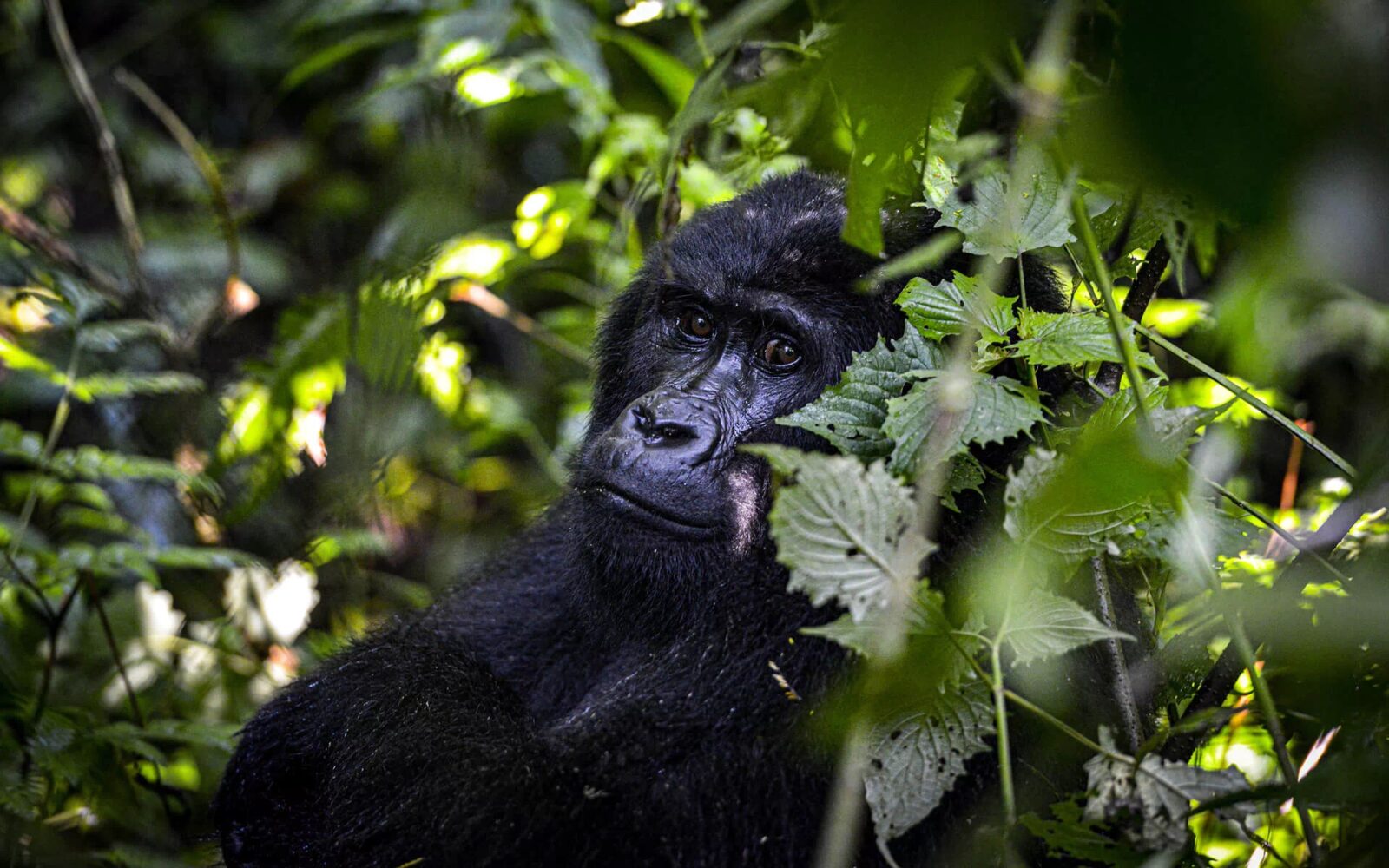
As you move deeper into the forest, the anticipation builds until you finally encounter the gorilla family. This moment is emotionally powerful, as you observe silverbacks, mothers, juveniles, and infants interacting naturally in their habitat.
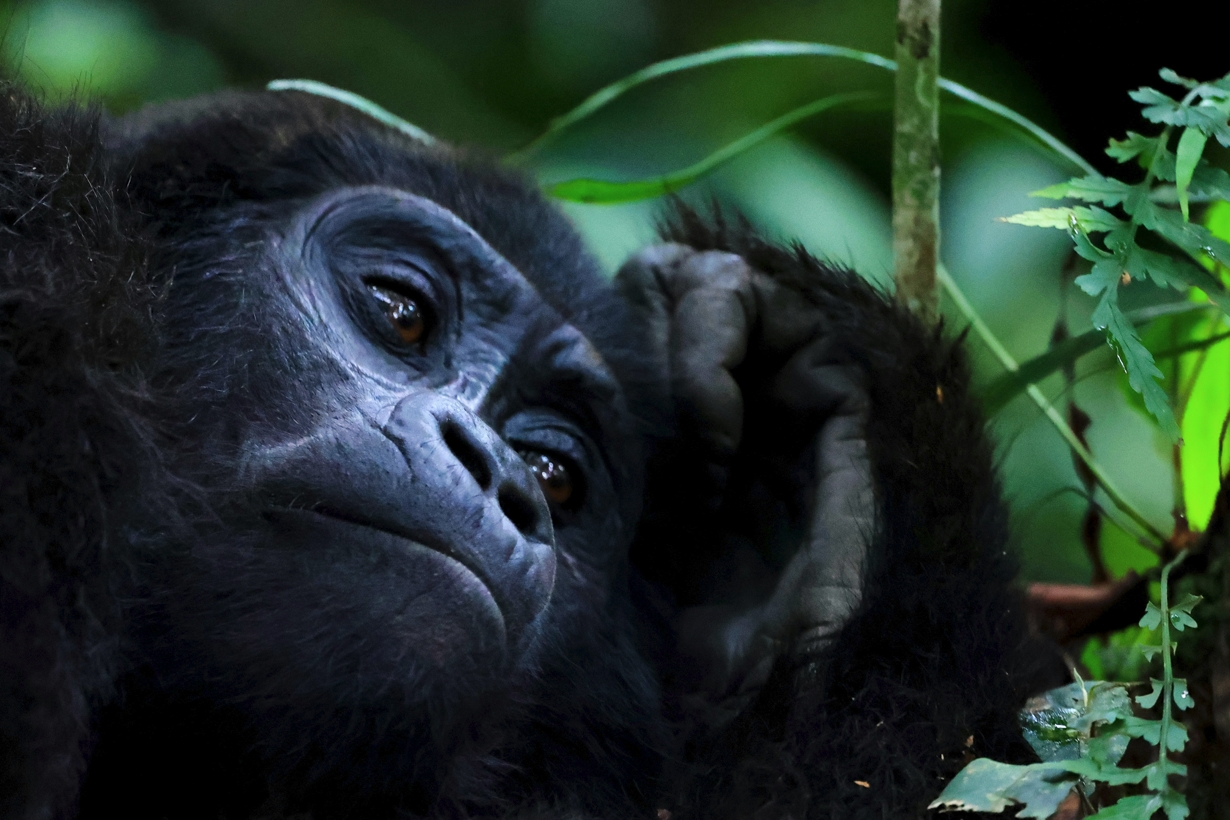
You are allowed to spend exactly one hour with the gorillas. During this time, you observe their behavior, take photographs, and quietly experience their presence under strict ranger supervision. The encounter is calm, controlled, and deeply respectful, ensuring minimal disturbance to the animals.
After the one-hour observation period, you begin your return trek back to the park headquarters where you receive a trekking certificate as a memory of the experience.
Day 4: Recovery and Optional Activities
After the physical demands of gorilla trekking, the fourth day is often reserved for rest and recovery. Many travelers wake up feeling physically tired but emotionally fulfilled, reflecting on the experience of the previous day.
Depending on your itinerary, you may choose to relax at your lodge or explore nearby attractions. In Uganda, some travelers visit cultural communities around Bwindi Impenetrable National Park, where local traditions, music, and crafts provide insight into the region’s heritage. Others may opt for nature walks or birdwatching experiences in the surrounding forest areas.
In Rwanda, optional activities near Volcanoes National Park may include visits to cultural villages, scenic hikes, or excursions to nearby lakes and viewpoints.
This day is intentionally flexible, allowing your body to recover while still enjoying the natural and cultural beauty of the region.
Gorilla Safari Itinerary for First-Timers
Day 5: Departure and Return Journey
On the final day of your gorilla safari, you begin your journey back to the airport for departure. If you are in Uganda, this typically involves a long road transfer back to Entebbe, while in Rwanda, the return journey to Kigali is much shorter and more comfortable.
Many travelers use this day to reflect on their safari experience, especially the emotional impact of meeting mountain gorillas in the wild. The journey back often feels different, as the intensity of the rainforest experience transitions into memories that last a lifetime.
Depending on your flight schedule, you may have time for souvenir shopping or a short city tour before departure.
Conclusion
A gorilla safari itinerary for first-time travelers is carefully designed to balance travel, preparation, physical challenge, and emotional experience. From arrival in Uganda or Rwanda to trekking in Bwindi Impenetrable National Park or Volcanoes National Park, each day builds toward the unforgettable moment of meeting mountain gorillas in their natural habitat.
This journey is not just a wildlife encounter but a deeply immersive experience that combines adventure, conservation awareness, and emotional connection with one of the world’s most endangered species.