Gorilla Safari Permit 2026 Price: Will Costs Rise Again?
The question every serious safari traveler is asking as they plan a future encounter with mountain gorillas is simple but important: will gorilla safari permit prices rise again in 2026, and how much should you budget for this once-in-a-lifetime experience?
Across East Africa, gorilla trekking remains one of the most tightly regulated wildlife experiences in the world. It is also one of the most expensive—but for good reason. The funds directly support conservation, anti-poaching efforts, ranger salaries, and community development around gorilla habitats.
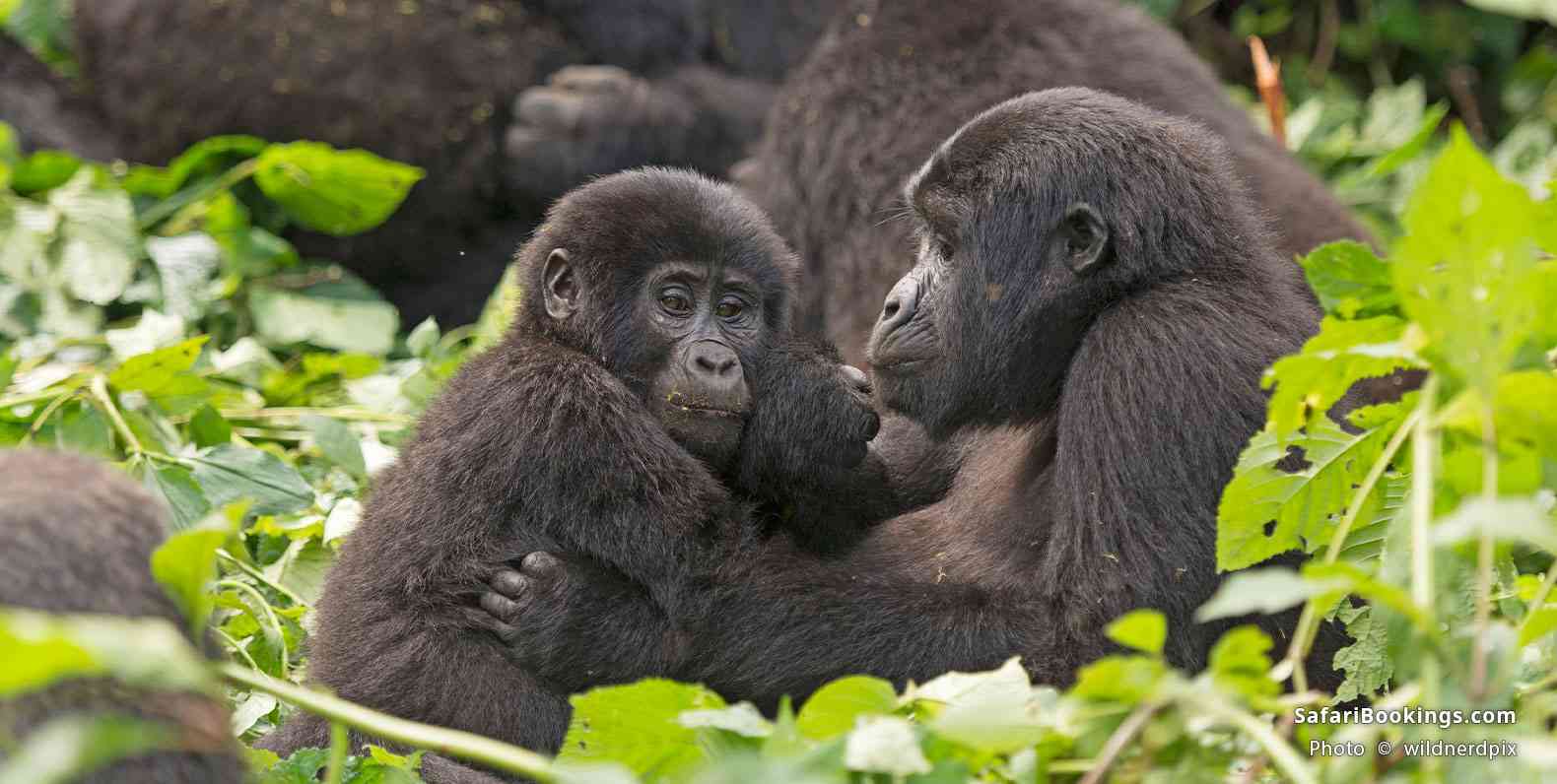
Nowhere is this more evident than in Rwanda, where a single permit to track mountain gorillas in the misty forests of Volcanoes National Park currently sits at the premium end of global wildlife tourism pricing.
Understanding whether this price will increase in 2026 requires looking at current rates, conservation economics, regional competition, and Rwanda’s long-term tourism strategy.
Current Gorilla Permit Price in Rwanda (2026 Outlook)
As of the latest available structure, a standard gorilla trekking permit in Rwanda is priced at US$1,500 per person per trek for international visitors.
This fee is managed and regulated by the Rwanda Development Board, which oversees tourism pricing, conservation funding, and park operations.
The permit includes:
- One hour with a habituated gorilla family
- Services of trained park rangers and guides
- Park entry into Volcanoes National Park
- Conservation and community contribution fees
This pricing has remained stable for several years, reinforcing Rwanda’s positioning as a high-value, low-volume luxury destination.
Will Gorilla Permit Prices Increase in 2026?
At the moment, there is no officially confirmed increase for 2026, but several indicators suggest that price adjustments remain possible in the future.
Here are the key factors that influence potential price changes:
1. Rwanda’s Luxury Tourism Strategy
Rwanda has intentionally positioned gorilla trekking as a premium conservation experience rather than a mass tourism activity. By maintaining a high permit price, the country:
- Limits daily visitor pressure on gorilla families
- Ensures exclusive, low-impact tourism
- Generates higher conservation funding per visitor
This model naturally creates room for gradual price increases over time, especially as demand continues to grow globally.
2. High Global Demand for Gorilla Permits
Gorilla trekking is not just popular—it is extremely limited.
Only a small number of permits are available each day in Volcanoes National Park, and they often sell out months in advance, especially during peak seasons.
When demand consistently exceeds supply, tourism authorities often evaluate pricing adjustments as a management tool rather than expanding visitor numbers, which could harm conservation goals.
3. Regional Price Comparison Pressure
Rwanda’s permit price is significantly higher than neighboring Uganda, where gorilla trekking permits cost around US$800 per person in Bwindi and Mgahinga.
Despite the difference, Rwanda continues to attract high-end travelers because of:
- Short travel times from Kigali
- High-end lodge experiences
- Strong park management and safety
- Premium positioning in global tourism
However, pricing gaps often influence regional tourism strategies, and adjustments may happen over time.
4. Inflation and Conservation Funding Needs
Like many conservation-based tourism systems, gorilla trekking pricing is influenced by:
- Rising operational costs
- Ranger welfare and staffing
- Conservation expansion programs
- Community benefit-sharing schemes
As costs increase globally, tourism authorities may reassess pricing to ensure sustainability.
Historical Context: How Prices Have Changed
Rwanda has already increased gorilla permit prices significantly over the years, moving from lower historical rates to the current US$1,500 level.
Each adjustment has been strategic, aimed at:
- Reducing crowding pressure
- Increasing conservation funding
- Enhancing the exclusivity of the experience
This pattern suggests that future increases, if they happen, are likely to be gradual and carefully managed.
What About Uganda and Other Countries?
In Uganda, gorilla trekking permits currently cost around US$800, with the Uganda Wildlife Authority managing allocation in parks such as Bwindi Impenetrable National Park and Mgahinga Gorilla National Park.
Uganda also offers a gorilla habituation experience at around US$1,500, allowing longer interaction with semi-habituated gorilla groups.
This regional difference shows that Rwanda’s pricing strategy is focused on premium exclusivity, while Uganda offers a more accessible alternative.
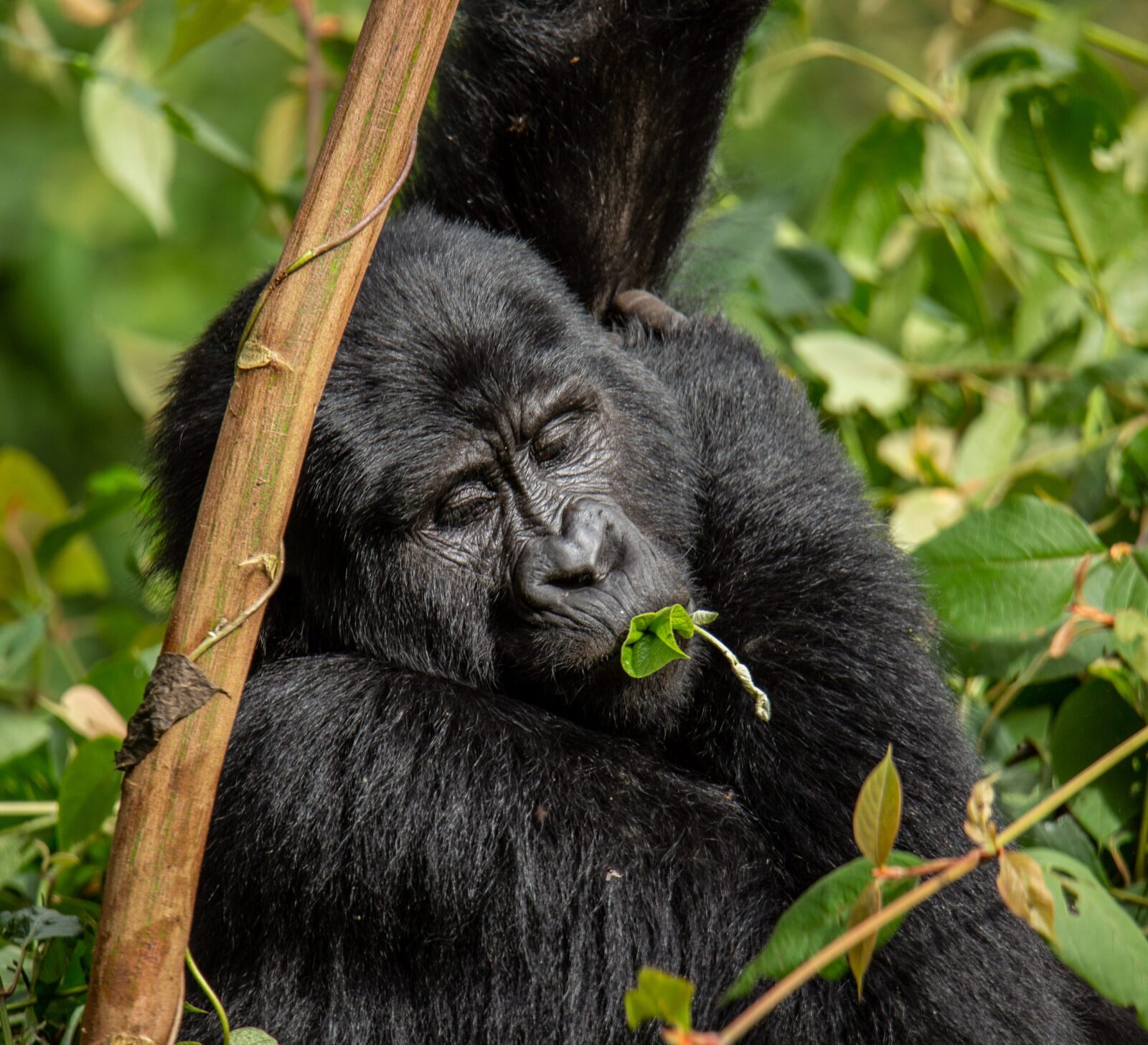
Gorilla Safari Permit 2026 Price
Why Gorilla Permits Are Expensive
Gorilla permits are expensive because they directly fund conservation systems that protect one of the world’s most endangered species.
Key cost factors include:
- Strict daily visitor limits
- Anti-poaching patrol operations
- Veterinary support for gorilla health
- Community revenue sharing programs
- Infrastructure maintenance in remote parks
Without this pricing model, long-term conservation would be extremely difficult to sustain.
What Travelers Should Expect in 2026
Even if prices remain unchanged in 2026, travelers should expect:
- Early booking requirements (often 6–12 months ahead)
- Full advance payment for permits
- High demand during peak travel seasons
- Limited last-minute availability
The total safari cost may still rise due to accommodation, transport, and inflation, even if permit prices remain stable.
Should You Book Now or Wait?
If you are planning a gorilla trekking safari, waiting in hopes of lower prices is risky.
The key realities are:
- No confirmed price reductions are expected
- Availability is more important than price timing
- Peak-season permits sell out quickly
- Demand continues to grow globally
Booking early is always the safest strategy.
Final Outlook: Will Prices Rise Again?
The most realistic outlook is:
- No confirmed increase for 2026
- Moderate chance of future gradual price rises
- Very low chance of price reductions
- Continued premium positioning for Rwanda
In simple terms, gorilla trekking in Rwanda is unlikely to become cheaper. At best, prices remain stable; at most, they rise gradually over time.
A gorilla trekking permit is more than an entry ticket—it is a conservation investment that supports the survival of mountain gorillas in their natural habitat.
Whether prices rise in 2026 or remain unchanged, the real value of the experience is constant: a rare, life-changing encounter with one of the world’s most extraordinary animals in the wild forests of Volcanoes National Park.