Gorilla Safari vs Kenya Safari Cost: Which Gives Better Value?
Choosing between a gorilla safari in destinations like Bwindi Impenetrable National Park or Volcanoes National Park and a classic wildlife safari in Kenya is one of the biggest decisions travelers face when planning an African adventure. Both experiences are iconic, but they are fundamentally different in cost structure, experience, and overall value.
A gorilla safari focuses on one rare, deeply emotional wildlife encounter, while a Kenya safari offers a broader, high-volume wildlife experience including the Big Five and the Great Migration. Understanding how costs translate into value is the key to making the right choice.
The Core Cost Difference
The most important difference between the two safari types lies in how costs are structured.
A gorilla safari is dominated by the permit cost. In Uganda, permits are around 800 USD, while in Rwanda they reach 1,500 USD per person. This single fee forms the foundation of your entire trip budget.
In contrast, a Kenya safari does not have a single high-cost permit. Instead, costs are spread across daily park fees, accommodation, and game drives. A typical Kenya safari ranges between 250 and 800 USD per person per day depending on the level of comfort.
This means gorilla safaris have a high upfront cost, while Kenya safaris distribute costs across multiple days.
Total Trip Cost Comparison
When comparing total costs, the difference becomes clearer depending on trip length.
A short gorilla safari in Uganda, especially in Bwindi Impenetrable National Park, can cost between 1,200 and 2,500 USD for a 3-day experience, while Rwanda trips in Volcanoes National Park often start from around 2,000 USD and can go much higher.
A Kenya safari, on the other hand, typically costs between 1,500 and 4,000 USD for a 4 to 7-day trip depending on accommodation level and park choices.
Interestingly, the total cost of both experiences can end up being quite similar for mid-range travelers. The difference is not always about how much you spend, but how that money is distributed and what you get in return.
What You Pay For: Experience vs Variety
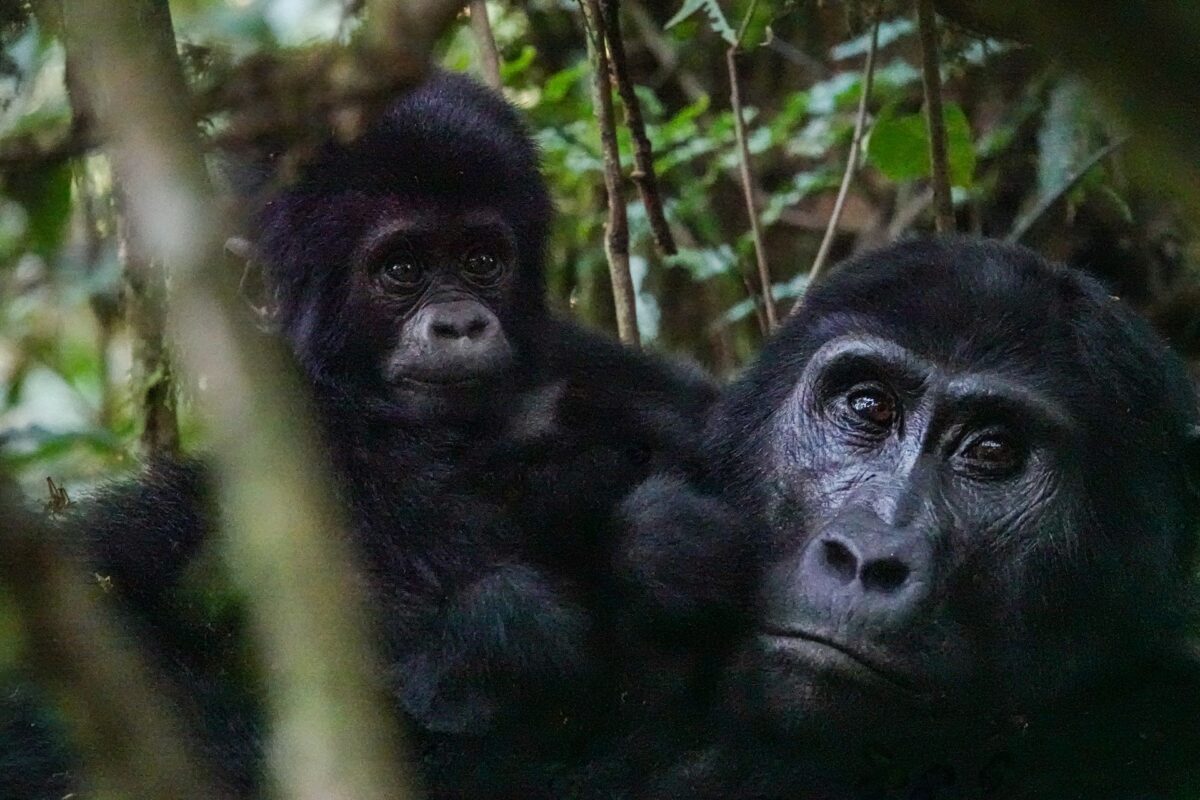
A gorilla safari is centered on one extraordinary experience: spending time with mountain gorillas in dense rainforest. This is a rare wildlife encounter that exists only in a few places in the world and is strictly limited to small groups per day.
In contrast, a Kenya safari offers variety. You experience multiple ecosystems, including savannahs, lakes, and conservancies. You can see lions, elephants, giraffes, zebras, and possibly witness the Great Migration in iconic areas such as the Masai Mara National Reserve.
This creates a fundamental value difference. Gorilla safaris offer depth, while Kenya safaris offer diversity.
Cost Efficiency Per Day
If you analyze cost per day, Kenya safaris often appear more affordable. Budget options can start relatively low, especially for group tours or camping safaris.
Gorilla safaris, however, are less flexible. Even a short trip includes the fixed permit cost, which raises the average daily expense significantly.
For travelers focused on maximizing days of wildlife viewing per dollar, Kenya often provides better numerical value.
Accessibility and Logistics
Another factor affecting value is accessibility.
In Rwanda, Volcanoes National Park is only a few hours from Kigali, making gorilla trekking relatively easy and time-efficient. Uganda’s Bwindi Impenetrable National Park requires longer travel but is more affordable.
Kenya has well-developed safari infrastructure with multiple parks easily accessible from Nairobi. This allows for smoother logistics, especially for first-time travelers.
Better infrastructure often translates into better perceived value, particularly for shorter trips.
Exclusivity vs Volume
One of the most important differences in value comes down to exclusivity.
Gorilla trekking permits are limited to a small number of visitors per day, usually eight people per gorilla family. This ensures a quiet, intimate experience with minimal disturbance to wildlife.
Kenya safaris, especially in popular areas like the Masai Mara National Reserve, can be busier during peak seasons. While wildlife sightings are abundant, the experience is less exclusive.
If you value privacy and rarity, gorilla safaris provide higher experiential value.
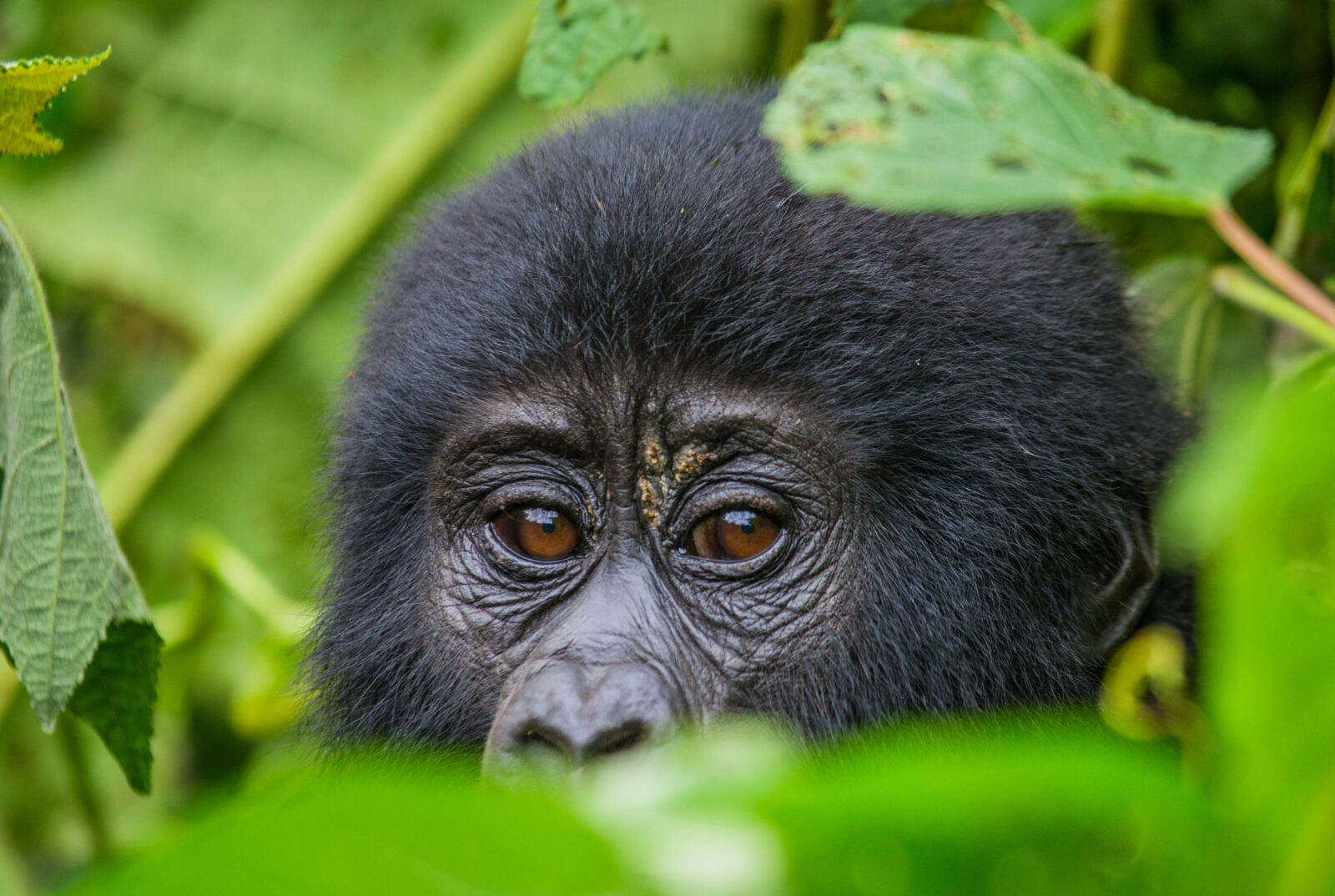
Gorilla Safari vs Kenya Safari Cost
Conservation Impact
Gorilla safaris are heavily conservation-driven. A significant portion of the permit fee goes directly into protecting endangered mountain gorillas and supporting local communities.
Kenya safaris also support conservation through park fees and tourism, but the impact is distributed across broader ecosystems and species.
For travelers who prioritize conservation impact per dollar, gorilla trekking often offers a more direct contribution.
Physical Effort and Experience Style
Gorilla trekking is physically demanding. Hiking through dense forests in Bwindi Impenetrable National Park or Volcanoes National Park requires effort, endurance, and preparation.
Kenya safaris are much more relaxed. Most wildlife viewing is done from a vehicle, making it suitable for all fitness levels.
Value here depends on personal preference. Adventure seekers may find gorilla trekking more rewarding, while those seeking comfort may prefer Kenya.
Which Safari Gives Better Value?
The answer depends entirely on what you define as value.
If value means more wildlife sightings, longer safari duration, and lower daily costs, then a Kenya safari offers better overall value.
If value means a rare, once-in-a-lifetime wildlife encounter with deep emotional impact and strong conservation contribution, then a gorilla safari provides unmatched value.
The Best Strategy: Combining Both
Many experienced travelers choose not to compare but to combine both experiences. A Kenya safari can be paired with gorilla trekking in Uganda or Rwanda to create a complete East African adventure.
This combination allows you to experience both the Big Five and mountain gorillas, offering the ultimate balance between variety and exclusivity.
Final Thoughts
Comparing a gorilla safari and a Kenya safari is not just about cost, but about the type of experience you want.
A gorilla safari in Bwindi Impenetrable National Park or Volcanoes National Park delivers a rare, intimate, and conservation-focused encounter that justifies its high cost. A safari in Kenya offers broader wildlife diversity, flexible pricing, and better cost efficiency over multiple days.
In the end, the better value is the one that aligns with your travel goals. Whether you choose the depth of gorilla trekking or the diversity of Kenya’s savannahs, both experiences represent the very best of African safari travel.