Gorilla Safaris Africa: Every Country, Every Option Compared
Overview of Gorilla Safaris Across Africa
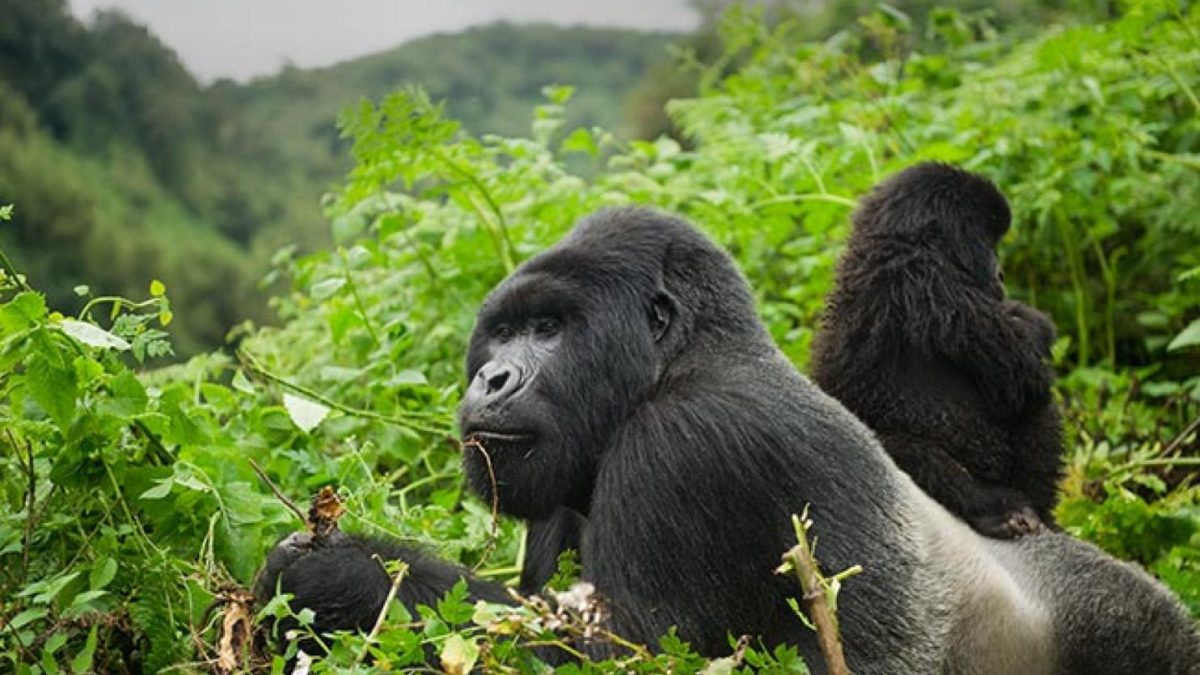
Gorilla safaris are one of Africa’s most sought-after wildlife experiences, providing travelers the rare opportunity to observe mountain gorillas in their natural habitats. Africa is home to two primary mountain gorilla populations: those in Uganda and Rwanda, and the more remote groups in the Democratic Republic of Congo (DRC) within Virunga National Park. Each country offers a distinct gorilla trekking experience shaped by accessibility, conservation management, terrain, and tourism infrastructure.
Uganda, Rwanda, and DRC collectively provide the full spectrum of gorilla encounters, from highly organized luxury treks to more adventurous, off-the-beaten-path experiences. Travelers can choose based on budget, trekking difficulty, desired exclusivity, and interest in combining gorilla trekking with other safari or cultural experiences. Each destination contributes to conservation efforts, supports local communities, and maintains strict protocols to protect the gorillas.
Understanding the differences between countries is essential for planning an optimal safari, ensuring that travelers select locations, permits, and itineraries that align with both personal preferences and logistical considerations.
A Detailed Study of Gorilla Safaris Across Africa
Uganda: Accessibility and Diversity
Uganda is known for offering a variety of gorilla trekking experiences, mainly within Bwindi Impenetrable National Park and Mgahinga Gorilla National Park. Trekking here is diverse in terms of group sizes, trekking difficulty, and forest sectors, with families such as Mubare, Habinyanja, Mishaya, and Bitukura providing unique encounters.
Permits in Uganda are priced at $700 for foreign non-residents in Bwindi and $600 in Mgahinga, making it the more affordable option compared to Rwanda. Trekking difficulty varies across sectors: Buhoma offers moderate hikes, Rushaga and Nkuringo involve steeper climbs, and Ruhija presents high-altitude trails with stunning scenery.
Uganda’s infrastructure balances comfort and accessibility, with a wide range of lodges, community-run guesthouses, and eco-lodges. Domestic flights and road transfers from Entebbe or Kampala facilitate access to remote trekking sectors. Uganda is ideal for travelers seeking multiple trekking options, flexible itineraries, and the opportunity to combine gorilla trekking with chimpanzee tracking in Kibale Forest National Park or savannah safaris in Queen Elizabeth National Park.
Rwanda: Premium and Exclusive
Rwanda offers a high-value, low-volume trekking experience, primarily in Volcanoes National Park. With gorilla trekking permits priced at $1,500 per person for foreign visitors in 2025, Rwanda focuses on exclusivity, personalized service, and well-managed encounters.
Volcanoes National Park hosts multiple habituated gorilla families, such as Susa, Hirwa, and Amahoro, each offering unique social interactions. Trekking is generally accessible, with trails maintained to high standards and experienced guides providing educational and safe encounters.
Rwanda emphasizes quality over quantity, limiting daily visitor numbers to minimize impact on gorilla behavior and forest ecology. The premium pricing supports conservation programs, anti-poaching initiatives, and community development, making Rwanda a top choice for travelers seeking ethical and luxurious gorilla experiences.
Visitors also benefit from structured cultural experiences, including community engagement, traditional craft demonstrations, and educational activities that complement the trekking adventure. Rwanda is ideal for those prioritizing comfort, exclusivity, and conservation impact over budget flexibility.
Democratic Republic of Congo: The Adventure Option
The DRC offers the most adventurous gorilla trekking experiences within Virunga National Park, home to rare populations of mountain gorillas and the critically endangered Eastern lowland gorillas. Trekking here is less developed than in Uganda or Rwanda, requiring higher levels of fitness, preparation, and tolerance for remote, rugged conditions.
Permits are approximately $400–$600 for foreign visitors, lower than Rwanda but with additional logistical considerations such as security, visas, and travel arrangements. Visitors must often navigate politically sensitive areas and variable infrastructure, making trips more suitable for experienced and adventurous travelers.
Virunga’s allure lies in its untouched landscapes, fewer tourists, and highly authentic wildlife encounters. Treks can be physically demanding, with longer distances, steeper terrain, and limited support facilities, but the reward is a truly immersive and off-the-beaten-path experience. DRC is perfect for travelers seeking adventure, novelty, and minimal crowd exposure.
Comparing Trekking Experiences
Uganda: Offers diversity in group sizes and trekking difficulty, suitable for flexible budgets and combining multiple safari experiences. Moderate to strenuous hikes depending on sector.
Rwanda: Premium, structured, and exclusive, ideal for travelers seeking high-quality service and minimal crowd interference. Moderate trekking difficulty with well-maintained trails.
DRC: Adventure-focused, remote, and challenging, appealing to experienced trekkers comfortable with variable conditions. Lower cost for permits but higher logistical complexity.
Travelers should consider factors such as: fitness level, desired level of exclusivity, budget, additional safari activities, and interest in cultural or community engagement. Each destination offers a unique blend of wildlife observation, forest scenery, and conservation impact.
Conservation and Community Benefits
All gorilla safaris across Africa support vital conservation initiatives, including anti-poaching patrols, habitat preservation, veterinary monitoring, and scientific research. Community involvement is integral in Uganda and Rwanda, providing employment, education, and local development projects funded by tourism revenue.
Tourism is tightly regulated to protect gorillas, with strict protocols on group size, distance, hygiene, and viewing duration. These measures ensure sustainable interaction and minimize human impact on endangered populations.
Ethical tourism in DRC is more challenging but equally significant, contributing to conservation and providing local communities with economic incentives to protect gorilla habitats despite security and infrastructure hurdles.
Cost and Accessibility Comparison
Uganda: Permits $600–$700; diverse accommodations; multiple trekking sectors; moderate logistical complexity.
Rwanda: Permits $1,500; premium lodges; exclusive trekking; highly structured itineraries; easy to navigate.
DRC: Permits $400–$600; basic accommodations; remote and rugged trekking; higher adventure and logistical requirements.
Budget planning should account for: permits, park fees, accommodation, transportation, domestic flights, tips, and optional activities such as chimpanzee trekking, savannah safaris, or cultural experiences. Travel insurance covering trekking and remote locations is strongly recommended.
Choosing the Right Destination
For first-time trekkers or families: Uganda offers flexibility, multiple family options, and moderate trekking challenges.
For high-value, luxurious, and conservation-focused experiences: Rwanda provides exclusivity, premium service, and minimal crowd exposure.
For adventurous, off-the-beaten-path encounters: DRC delivers unmatched remote experiences but requires preparation and resilience.
Ultimately, the choice depends on balancing cost, physical demands, desired exclusivity, and interest in combining wildlife, culture, and conservation activities.
Tips for Maximizing Your Gorilla Safari
Book permits early, especially for Rwanda and popular Ugandan families during peak seasons.
Consider fitness level and trekking challenges when selecting sectors or destinations.
Prepare appropriate gear, including hiking boots, long sleeves, rain protection, and hydration.
Engage with local guides for education on gorilla behavior, conservation, and forest ecology.
Respect all park rules, maintain distance from gorillas, and limit interactions to the one-hour viewing period.
Incorporate cultural and community experiences to complement wildlife observation and support local initiatives.
Conclusion
Gorilla safaris across Africa offer a spectrum of experiences, from Uganda’s diverse trekking sectors to Rwanda’s premium encounters and DRC’s rugged adventures. Each country provides unique advantages, whether it’s flexibility, exclusivity, or adventure.
Understanding the differences between destinations ensures travelers make informed choices, optimizing their experience while contributing meaningfully to conservation and community development. Mountain gorillas remain one of the most iconic species on the continent, and experiencing them responsibly is both a privilege and a powerful way to support their survival.
For travelers seeking the complete African gorilla experience, a combination of Uganda, Rwanda, and DRC visits can provide unmatched diversity, from intimate, personal encounters to remote, adventurous treks in some of the continent’s most biodiverse forests.