Gorilla Safaris August: High Season and How to Navigate Crowds
August is the peak of peak season for gorilla safaris in Uganda, bringing together ideal trekking conditions and the highest number of visitors of the year. During this time, destinations such as Bwindi Impenetrable National Park and Mgahinga Gorilla National Park experience strong demand, as travelers from Europe, North America, and beyond take advantage of summer holidays and dry-season conditions.
Despite the crowds, August remains one of the best months for gorilla trekking due to dry trails, predictable gorilla movements, and excellent visibility. The key to enjoying this period lies in strategic planning—choosing the right sector, booking early, and understanding how to navigate peak-season logistics effectively.
Why August Is the Busiest Gorilla Trekking Month
August sits firmly within the long dry season, offering some of the most stable weather conditions for trekking in Uganda’s rainforest environments. Trails are at their driest, making hikes easier and safer, especially in steep and densely forested areas.
This month coincides with global holiday patterns, particularly in Europe, where many travelers take extended summer breaks. As a result, gorilla trekking permits are in extremely high demand, and accommodation availability becomes limited. August is therefore considered the most competitive month for gorilla safaris, requiring early reservations and flexible planning.
Trekking Conditions and Gorilla Encounters
Gorilla trekking in August offers optimal conditions for both comfort and wildlife viewing. The reduced rainfall means less mud and fewer slippery sections, allowing trekkers to move more efficiently through the forest. Visibility is also improved, making it easier to spot gorillas once they are located.
In Bwindi Impenetrable National Park, all sectors—Buhoma, Rushaga, Ruhija, and Nkuringo—are active, each offering distinct trekking experiences. Rushaga stands out for its large number of habituated gorilla families, while Buhoma is often preferred for its relatively moderate terrain. Ruhija and Nkuringo provide more challenging treks but reward visitors with breathtaking scenery and fewer crowds in some cases.
Mgahinga Gorilla National Park offers a quieter alternative, with fewer visitors and a unique volcanic landscape. Although it hosts fewer gorilla families, the experience is equally intimate and often less crowded compared to Bwindi.
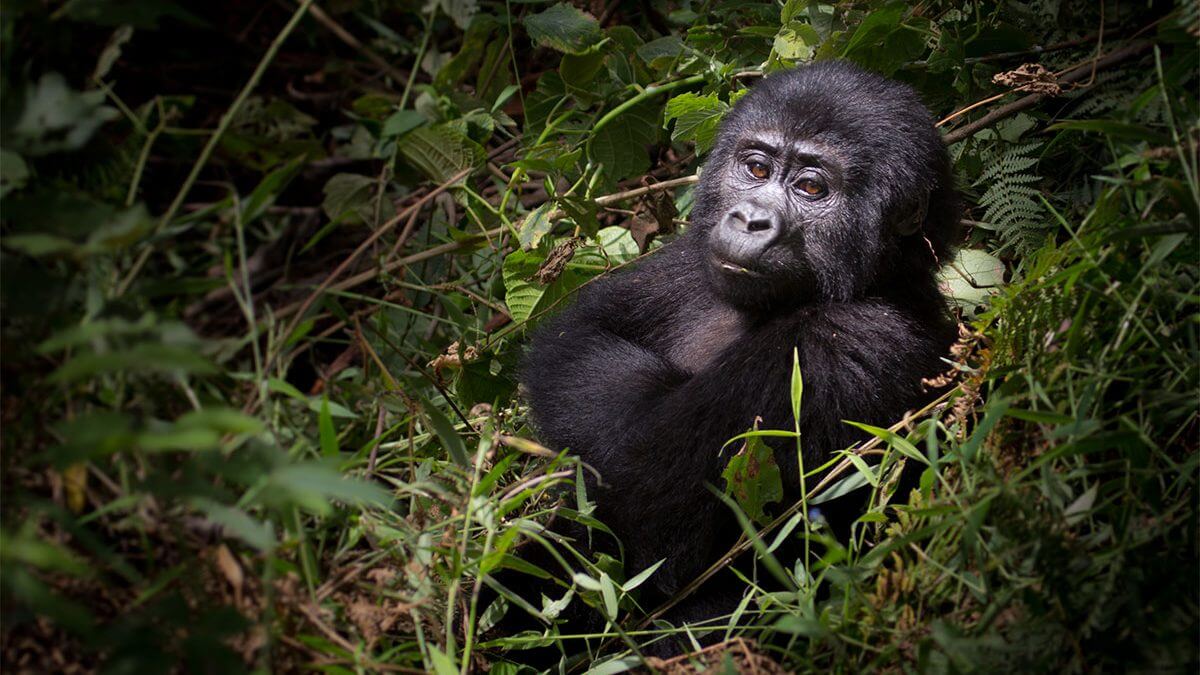
Gorilla families in August are active and easier to track, often feeding and moving within accessible areas. Visitors can observe social behaviors such as grooming, playing, and interaction within the group, creating unforgettable wildlife encounters.
Understanding and Managing Crowds
While August brings more visitors, the gorilla trekking experience remains controlled and intimate. Each gorilla family is visited by a limited number of trekkers per day, ensuring minimal disturbance and preserving the quality of the experience.
However, increased demand affects logistics such as permit availability, accommodation, and transportation. To manage crowds effectively, travelers should:
Book permits early: Gorilla permits often sell out months in advance, especially in popular sectors like Buhoma and Rushaga.
Choose less crowded sectors: Ruhija and Nkuringo typically receive fewer visitors, offering a more secluded trekking experience.
Consider Mgahinga: This park is often overlooked, making it a great option for those seeking quieter treks.
Travel mid-week: Weekdays tend to be slightly less busy than weekends, providing a more relaxed experience.
By planning strategically, visitors can still enjoy a peaceful and immersive gorilla trekking experience, even during the busiest month.
Weather and Photography Conditions
August weather is predominantly dry with clear skies, making it one of the best months for photography. The combination of sunlight filtering through the forest canopy and lush green vegetation creates ideal lighting conditions for capturing detailed images of gorillas and their environment.
Mornings can be cool, especially in higher-altitude areas, while afternoons are generally warm and comfortable. Occasional brief showers may occur, but they rarely disrupt trekking activities.
The dry season also enhances overall visibility, allowing photographers to capture sharp, well-lit images without the challenges posed by heavy rain or dense mist.
Accommodation and Safari Planning
Accommodation demand in August is at its highest, particularly in lodges located near trekking starting points. Luxury lodges often book out well in advance, followed by mid-range and budget options. Early booking ensures better choices and proximity to trekking sectors.
Travelers can access gorilla trekking regions via Entebbe International Airport, followed by road transfers or domestic flights. Many safari operators offer all-inclusive packages that simplify logistics, including permits, accommodation, and guided treks.
Staying close to the briefing point is crucial for convenience, as gorilla trekking begins early in the morning. This reduces travel time and ensures a smoother start to the day.
Practical Tips for August Gorilla Safaris
Preparation is key to navigating the busy August season successfully. Lightweight, breathable clothing layered for cooler mornings is recommended, along with sturdy hiking boots for navigating forest terrain. A light rain jacket remains essential despite the dry season.
Carrying water, snacks, sunscreen, insect repellent, and a camera ensures comfort throughout the trek. Hiring a porter can significantly enhance the experience, particularly for longer treks or those unfamiliar with hiking in mountainous terrain.
Patience and flexibility are also important, as peak-season logistics may require adjustments. However, the rewards of trekking during this time far outweigh any minor inconveniences.
Conservation and Community Benefits
August’s high visitor numbers contribute significantly to conservation efforts, as gorilla permit fees support the protection of endangered mountain gorillas, habitat preservation, and anti-poaching initiatives.
Local communities benefit through employment and tourism-related businesses, reinforcing the importance of sustainable travel. Responsible tourism practices ensure that increased visitation does not negatively impact the environment or wildlife.
Visitors play a crucial role in supporting conservation by adhering to guidelines, respecting wildlife, and engaging positively with local communities.
Why Choose August Despite the Crowds
August offers unmatched reliability for gorilla trekking, with dry conditions, high success rates for sightings, and vibrant safari activity. While it is the busiest month, the experience remains well-managed and rewarding.
For travelers who prioritize excellent trekking conditions and guaranteed wildlife encounters, August is an outstanding choice. With careful planning and strategic decisions, it is possible to enjoy a memorable and relatively uncrowded experience even during peak season.
Conclusion
August represents the height of gorilla safari season in Uganda, combining ideal weather, active gorilla families, and strong tourism demand. While crowds are inevitable, they are effectively managed to preserve the quality and intimacy of each trek.
By booking early, choosing the right sector, and preparing thoroughly, travelers can navigate the busy season with ease and enjoy one of Africa’s most extraordinary wildlife experiences. Gorilla trekking in August delivers exceptional encounters, stunning scenery, and meaningful contributions to conservation, making it a top choice for safari enthusiasts.