
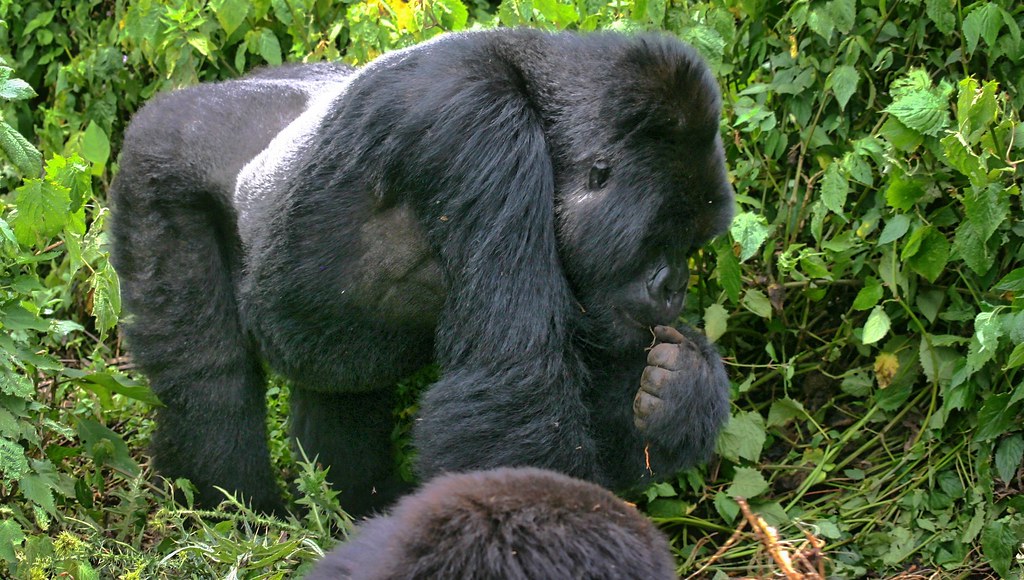
Gorilla Safaris for Over 60s: Making the Trek Comfortable
Gorilla safaris are bucket-list adventures that attract travelers of all ages, including those over 60. In destinations like Bwindi Impenetrable National Park and Volcanoes National Park, trekking conditions, terrain, and regulations are designed for safety, but senior travelers need to plan carefully to ensure comfort and accessibility.
With thoughtful preparation, moderate pacing, and suitable lodge options, over-60 travelers can experience gorilla trekking safely while still enjoying all the natural beauty, wildlife encounters, and cultural experiences that make these safaris so memorable.
A Detailed Guide for Over-60 Gorilla Safari Planning
Assessing Physical Fitness
Before planning a gorilla safari, it’s important for seniors to assess their physical fitness. Gorilla trekking can involve steep trails, muddy paths, and long walks in high humidity.
Even though treks are guided and paced according to the group, a moderate level of fitness is essential to ensure a comfortable and safe experience. Short hikes and practice walks in similar conditions before the trip can help build endurance and confidence.
Travelers with medical conditions should consult their doctors before embarking on a safari. This ensures that any underlying health concerns are managed and that trekking will not pose unnecessary risk.
Choosing the Right Trekking Sector
Different trekking sectors offer varying levels of difficulty. For seniors, selecting an area with gentler terrain can make the experience more manageable.
In Uganda, sectors like Buhoma in Bwindi Impenetrable National Park are known for relatively easier access and shorter treks compared to sectors like Nkuringo or Rushaga, which involve steeper and more challenging paths.
Rwanda’s Volcanoes National Park also offers well-maintained trails and shorter approaches that are suitable for older travelers.
Guides can adjust the pace of the trek to accommodate the physical abilities of senior participants, ensuring a safe and enjoyable experience.
Selecting Comfortable Lodges
Accommodation is a key factor in making the safari comfortable for travelers over 60. Many lodges near Bwindi Impenetrable National Park and Volcanoes National Park offer senior-friendly amenities such as spacious rooms, comfortable beds, and easy access to facilities.
Lodges with on-site dining, accessible pathways, and rest areas help reduce fatigue and make the stay more enjoyable.
Some properties provide guided nature walks or cultural experiences near the lodge, allowing seniors to explore the area without the physical demands of trekking.
Using Trekking Aids and Assistance
Walking sticks, trekking poles, and support from guides can significantly enhance comfort and safety during the trek.
Guides are trained to offer assistance, including helping navigate tricky terrain and adjusting the pace for slower walkers.
Seniors are encouraged to bring lightweight, supportive trekking gear to reduce strain and improve stability on uneven paths.
Planning for Health and Nutrition
Adequate hydration and nutrition are crucial for senior travelers during gorilla treks. Carrying water, snacks, and energy bars ensures that energy levels are maintained throughout the hike.
Pre-existing medical conditions, such as arthritis or heart concerns, should be carefully managed, and medications must be readily accessible.
Wearing appropriate clothing, including moisture-wicking layers and sturdy footwear, helps prevent discomfort and fatigue during long walks.
Minimizing Physical Stress
One key strategy for seniors is to pace the trek according to their comfort level. Guides can help maintain a slower, steady pace, allowing trekkers to rest as needed without missing the experience.
Planning rest stops and avoiding overly strenuous trails reduces the risk of exhaustion or injury.
Families and companions traveling with seniors can also provide additional support and encouragement, enhancing both safety and enjoyment.
Alternative Activities for Seniors
For seniors who may find trekking challenging, there are alternative ways to engage with gorilla conservation and the surrounding environment.
Guided nature walks, birdwatching, and cultural visits to local communities offer enriching experiences without the physical demands of trekking.
Some lodges offer educational programs and observation points where visitors can learn about gorillas, their habitats, and ongoing conservation efforts.
These alternatives ensure that seniors still have a fulfilling safari experience even if they do not trek into the forest.
Combining Comfort with Adventure
A senior-friendly gorilla safari balances comfort with adventure. Selecting accessible lodges, choosing appropriate trekking sectors, and pacing the hike properly ensures that travelers over 60 enjoy the experience safely.
The goal is to create a memorable encounter with gorillas without unnecessary physical strain or risk.
Tips for a Successful Senior Gorilla Safari
Booking permits and accommodations in advance is essential to secure the best options for seniors.
Consulting with guides about specific needs and limitations helps tailor the trekking experience for comfort and safety.
Packing lightweight, practical gear and wearing appropriate clothing ensures both mobility and protection from the elements.
Maintaining a positive mindset and open communication with guides enhances the overall experience, making it both rewarding and stress-free.
Enjoying Gorilla Safaris Safely Over 60
Gorilla safaris are accessible and highly rewarding for travelers over 60 when careful planning and preparation are prioritized.
In destinations like Bwindi Impenetrable National Park and Volcanoes National Park, seniors can experience the wonder of seeing mountain gorillas up close while enjoying comfortable lodges, guided support, and alternative activities that suit their needs.
With the right balance of adventure and comfort, over-60 travelers can create lasting memories, connect with wildlife, and fully appreciate the magic of the gorilla trekking experience.