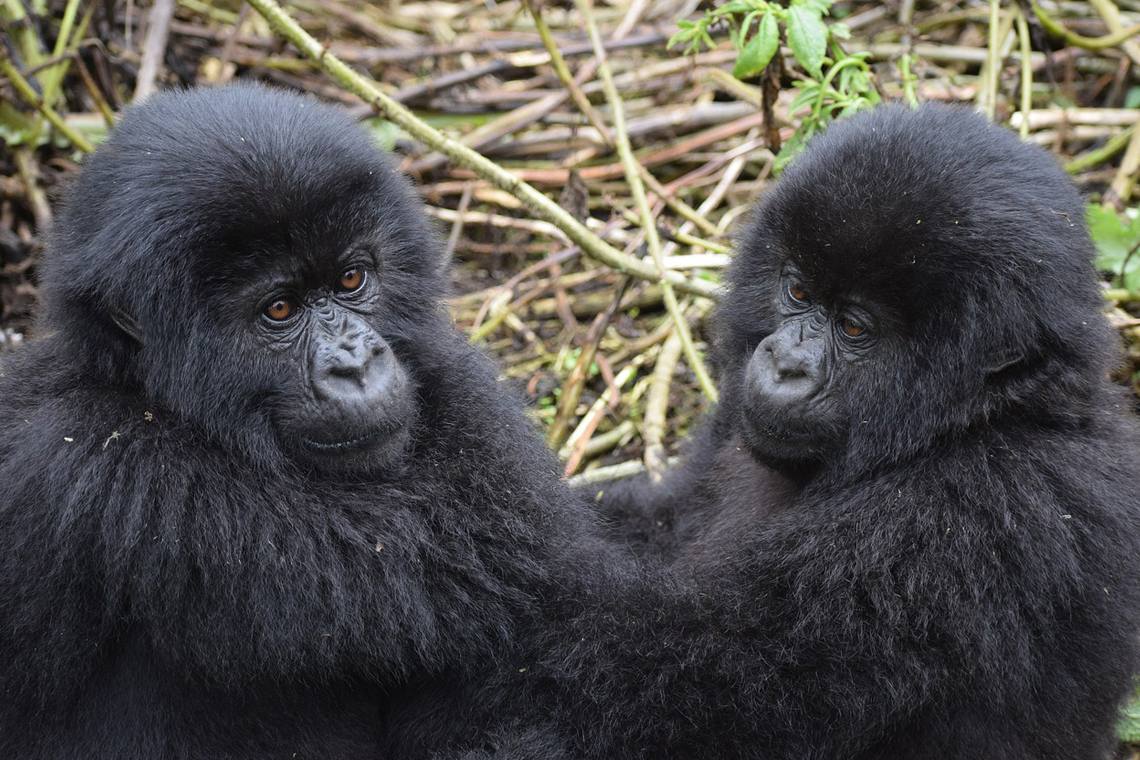
Gorilla Safaris January: Dry Season Start and What to Expect
January marks the beginning of Uganda’s dry season, making it an ideal time for gorilla safaris. During this period, trails in Bwindi Impenetrable National Park, Mgahinga Gorilla National Park, and Rwanda’s Volcanoes National Park are relatively dry and easier to navigate, offering safer and more comfortable trekking conditions. The dry season also coincides with cooler mornings and crisp air, enhancing visibility and overall trekking experience.
For travelers, January presents a unique combination of accessibility, manageable crowds, and active gorilla behavior. It is one of the preferred months for both first-time and experienced trekkers, offering a balance of adventure, scenic beauty, and wildlife observation opportunities.
Weather and Trekking Conditions
January is part of the dry season, which typically runs from December to February. Rainfall is minimal, resulting in firm and stable trails. Forest floors are less muddy, making trekking easier and reducing the risk of slips and falls. Temperature ranges vary depending on altitude: in Bwindi and Mgahinga, mornings and evenings can be cool (14–18°C), while daytime temperatures may reach 22–25°C.
The dry season allows gorillas to move more predictably through the forest in search of food. While some trekking distances may still be long, participants are less likely to encounter challenging muddy or slippery terrain compared to the wet season. This makes January particularly suitable for corporate groups, families, and first-time trekkers who prefer moderate trekking conditions.
Wildlife Activity in January
January is a productive month for wildlife observation. Gorillas are generally active, feeding on leaves, stems, and fruits, making them easier to track. Bird activity is high as well, with many Albertine Rift endemics visible, creating excellent opportunities for photography and wildlife documentation.
In addition to gorillas, trekkers may spot forest elephants, duikers, and other small mammals during the dry season. Trails are generally quieter due to fewer rain-related obstacles, allowing for more uninterrupted wildlife observation.
Trekking Experience in January
Trekking in January is characterized by easier trail navigation and less dense undergrowth compared to the wet season. Guides provide detailed briefings before each trek, including safety measures, gorilla etiquette, and trekking strategies. Groups enjoy the benefit of better visibility, which enhances both observation and photography opportunities.
Gorilla trekking groups are limited to eight visitors per family, ensuring a personalized experience even during a shared safari. The dry conditions also allow guides to plan for early starts and flexible schedules, optimizing gorilla sighting opportunities while minimizing physical strain.
Gear and Preparation for January
While January is dry, trekkers should still be prepared for occasional showers and cooler mornings. Recommended gear includes:
- Sturdy hiking boots with ankle support
- Long-sleeved shirts and quick-dry pants
- Light jackets or fleece for early morning treks
- Gloves and trekking poles for stability on uneven terrain
- Reusable water bottles and energy snacks
- Camera with zoom lens for wildlife photography
Optional items include binoculars, gaiters, and lightweight rain gear in case of unexpected showers. January’s dry season reduces the need for heavy waterproof clothing, making treks more comfortable and less encumbered.
Advantages of January Gorilla Safaris
Gorilla safaris in January offer several advantages:
- Stable and dry trails, reducing trekking difficulty
- Cooler temperatures for more comfortable hiking
- Predictable gorilla movement for efficient tracking
- Fewer crowds compared to peak holiday periods
- High wildlife and bird activity, enhancing observation opportunities
For first-time trekkers, January provides ideal conditions for a successful and memorable experience.
Considerations and Tips
Despite favorable conditions, trekkers should consider the following:
- Early morning starts are recommended to take advantage of cooler temperatures
- Fitness preparation is advised for hikes that may last several hours
- Booking permits in advance is crucial, as January is still a popular month for safaris
- Follow ranger instructions closely to ensure safety and minimize disturbance to wildlife
Trekkers are encouraged to embrace the slower pace of the trek, allowing full immersion in the forest environment and maximum observation of gorilla behavior.
Sample Itinerary for January Gorilla Safari
Day 1: Arrival in Entebbe/Kampala
Arrive and transfer to a nearby lodge. Briefing on park rules, safety, and trekking expectations.
Day 2: Transfer to Gorilla Park
Early morning drive to Bwindi or Mgahinga. Afternoon optional birdwatching or forest walk.
Day 3: Gorilla Trekking
Pre-dawn breakfast followed by a briefing with rangers. Trek through relatively dry forest trails to locate a gorilla family. One-hour observation and photography session. Return to lodge for reflection and rest.
Day 4: Optional Activities
Chimpanzee tracking in Kibale, community visits, or guided forest walks. Evening relaxation at the lodge.
Day 5: Departure
Transfer back to Entebbe/Kampala for onward travel.
Final Thoughts
January is one of the best months for gorilla safaris in Uganda and Rwanda. The combination of dry, stable trails, cooler temperatures, and active gorilla behavior makes it ideal for first-time trekkers and seasoned wildlife enthusiasts alike. Whether traveling solo, in a corporate group, or with family, a January gorilla safari offers a unique, accessible, and unforgettable experience.