Gorilla Safaris June: Peak Season Begins — Full Guide
June marks the official beginning of the peak gorilla trekking season in Uganda, as the long dry season sets in across the country. This period transforms trekking conditions in Bwindi Impenetrable National Park and Mgahinga Gorilla National Park, making trails drier, visibility clearer, and gorilla tracking more efficient. For travelers planning a gorilla safari, June offers the perfect balance of accessibility, wildlife activity, and scenic beauty, making it one of the most recommended months to visit.
As rainfall reduces, the dense rainforest becomes easier to navigate, allowing trekkers to move through steep ridges, bamboo forests, and thick vegetation with less difficulty. Gorilla families remain active, feeding and socializing throughout the day, which enhances the chances of extended, high-quality encounters. June also marks the start of increased tourist arrivals, so early planning is essential to secure permits and accommodations.
Understanding June as the Start of Peak Season
The transition into June signals a shift from wet to dry conditions, dramatically improving the overall trekking experience. While the forests remain lush and green from the previous rains, the trails begin to dry, reducing mud and slippery conditions. This combination creates ideal trekking terrain without losing the beauty of the rainforest environment.
Tourism demand begins to rise steadily in June as international travelers take advantage of the favorable weather. Unlike July and August, which are the busiest months, June offers a slightly quieter peak-season entry point, making it attractive for those who want good conditions without maximum crowds. Gorilla permits start selling quickly, especially in popular sectors, so advance booking becomes critical at this time.
Gorilla Trekking Conditions in June
June provides some of the best trekking conditions of the year, particularly for first-time trekkers and photographers. Trails are firmer, river crossings are easier, and visibility improves as vegetation becomes less dense along trekking paths.
In Bwindi Impenetrable National Park, all four sectors—Buhoma, Rushaga, Ruhija, and Nkuringo—are fully operational, each offering unique trekking experiences. Buhoma provides relatively moderate trails, while Rushaga offers access to multiple gorilla families. Ruhija and Nkuringo present more challenging high-altitude treks, but with stunning panoramic views.
Mgahinga Gorilla National Park offers a different landscape, with volcanic terrain and bamboo forests. Treks here are often shorter but still rewarding, with scenic backdrops of the Virunga volcanoes enhancing the experience.
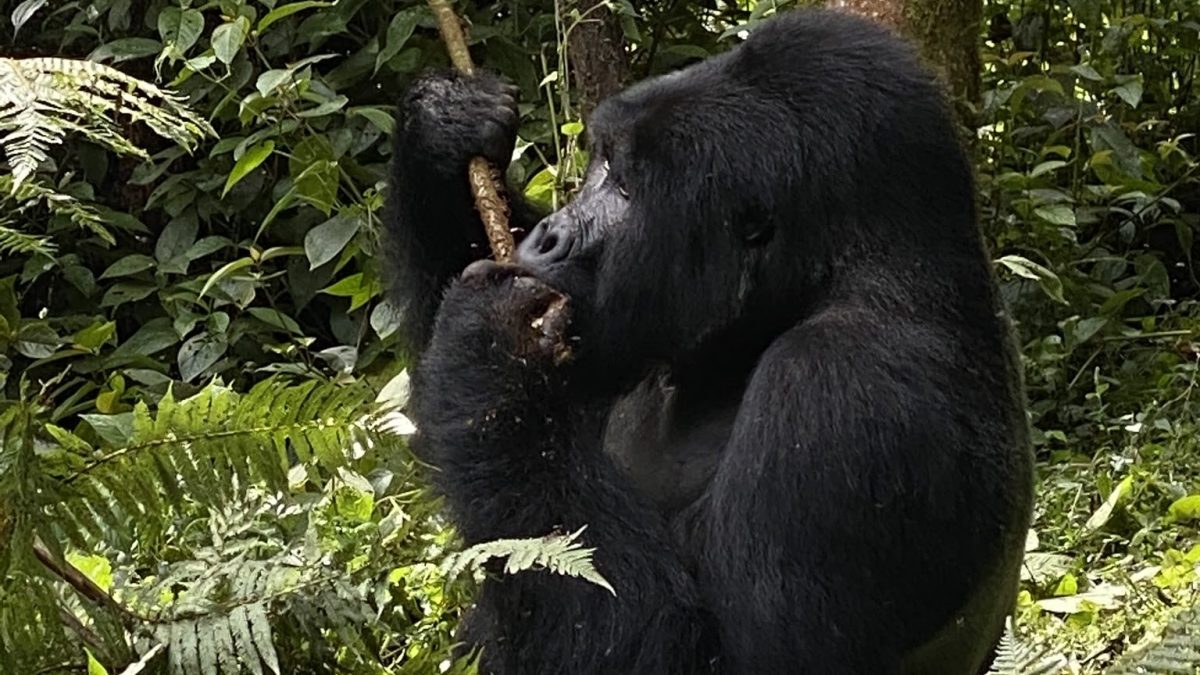
Gorilla families in June are highly active, moving through accessible areas in search of food. Trekkers can observe behaviors such as feeding, grooming, and playful interactions among juveniles, while dominant silverbacks maintain order within the group.
Gorilla Families and Trekking Experience
June is an excellent time to encounter a wide range of habituated gorilla families, particularly in the Rushaga sector, which hosts some of the largest groups. Families in Buhoma are known for their historical significance and accessibility, while Ruhija and Nkuringo offer more remote and adventurous trekking experiences.
Each trek begins early in the morning with a briefing from park rangers, followed by guided tracking through the forest. The duration of treks varies depending on the location of the gorilla family, ranging from two to six hours. Once located, visitors are allowed one hour of close observation, providing opportunities to witness the complex social structure of mountain gorillas.
Weather and What It Means for Your Safari
June weather is generally dry, with cool mornings and warm afternoons, making it comfortable for trekking. Occasional light showers may still occur, but they rarely disrupt trekking activities. The reduced rainfall means less mud and fewer slippery sections, improving safety and overall enjoyment.
The dry season also enhances wildlife visibility beyond gorillas. Forest trails become clearer, and animals are easier to spot along the way, including monkeys, birds, and small mammals. The combination of dry conditions and lush greenery creates a visually striking environment for both trekking and photography.
Accommodation and Safari Planning
June requires early planning due to the beginning of peak demand, especially for lodges near trekking sectors. Accommodation options range from luxury lodges with panoramic views to mid-range and budget guesthouses catering to different traveler preferences.
Staying close to the trekking starting point is highly recommended, as it allows for early departures and reduces travel time on trekking days. Popular lodges in Buhoma, Rushaga, Ruhija, and Nkuringo tend to fill up quickly during this period.
Transportation typically involves arrival at Entebbe International Airport, followed by road transfers or domestic flights to the gorilla trekking regions. Many safari operators arrange seamless itineraries that include transport, permits, accommodation, and guided treks.
Tips for Gorilla Safaris in June
Proper preparation ensures a successful and enjoyable gorilla trekking experience in June. Wearing lightweight, breathable clothing layered for cooler mornings is essential, along with sturdy waterproof hiking boots. Even in the dry season, carrying a light rain jacket is advisable.
Trekking poles provide additional support on uneven terrain, while gloves help when navigating through dense vegetation. Visitors should also carry water, snacks, insect repellent, and sun protection.
Photography in June is particularly rewarding due to improved lighting conditions. A good camera with a telephoto lens allows for detailed wildlife shots, while wider lenses capture the forest environment and landscapes. Respecting gorilla trekking guidelines—such as maintaining distance and following ranger instructions—is crucial for safety and conservation.
Conservation and Community Impact
Gorilla trekking in June contributes significantly to conservation and local livelihoods. Permit fees support the protection of endangered mountain gorillas, anti-poaching efforts, habitat conservation, and research initiatives.
Local communities benefit through employment in lodges, guiding services, and cultural tourism activities. The presence of visitors during peak season provides economic opportunities while reinforcing the importance of wildlife conservation.
Sustainable tourism practices are strictly enforced, ensuring that increased visitor numbers do not negatively impact gorilla families. Rangers and guides play a vital role in maintaining these standards throughout the trekking experience.
Why Choose June for Gorilla Trekking
June stands out as one of the best months to begin a gorilla safari, offering a combination of favorable weather, manageable crowds, and excellent wildlife encounters. The transition into peak season ensures that visitors experience high-quality trekking conditions without the extreme congestion seen later in July and August.
The lush forests, active gorilla families, and improved accessibility create a well-rounded safari experience suitable for both first-time visitors and experienced travelers. Whether trekking in Bwindi or Mgahinga, June provides the ideal conditions to explore Uganda’s iconic mountain gorilla habitats.
Conclusion
June represents the perfect starting point for peak-season gorilla trekking in Uganda, combining dry trails, vibrant forest scenery, and active wildlife. Visitors can expect rewarding treks, close encounters with habituated gorilla families, and opportunities to explore some of Africa’s most biodiverse landscapes.
With proper planning, early bookings, and the right preparation, a gorilla safari in June delivers a memorable, safe, and immersive experience, blending adventure, conservation, and cultural connection. For travelers seeking the ideal time to begin their gorilla trekking journey, June offers an exceptional balance of conditions, accessibility, and unforgettable wildlife encounters.