Gorilla Safaris Rwanda: The $1,500 Experience Explained
Overview of Gorilla Safaris in Rwanda
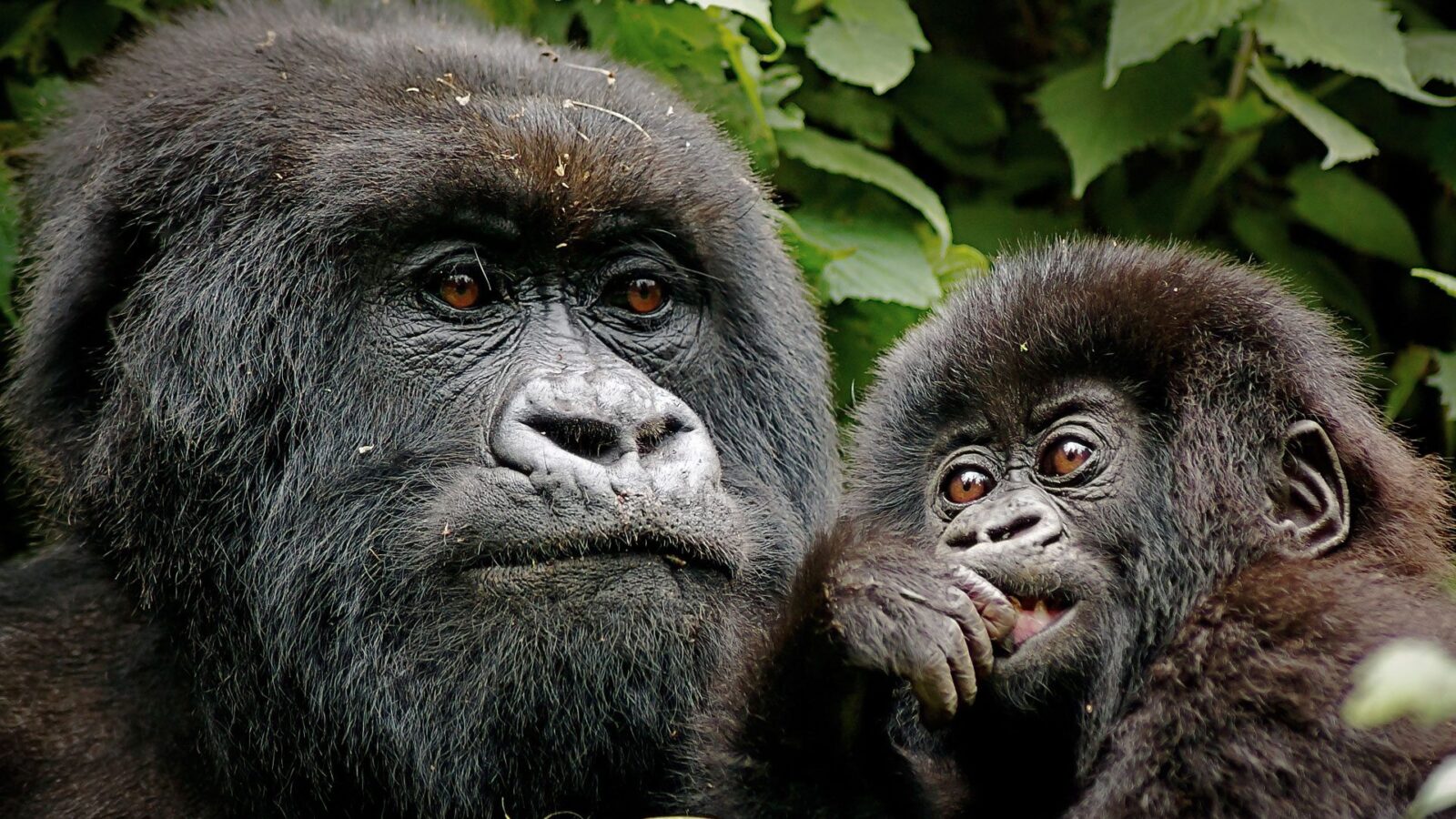
Rwanda has emerged as one of the world’s premier destinations for mountain gorilla trekking, offering travelers a high-quality, intimate wildlife experience in the lush forests of Volcanoes National Park. Known for its well-managed tourism infrastructure, Rwanda provides a premium gorilla encounter, with trekking permits priced at approximately $1,500 per person in 2025 for foreign visitors. This investment reflects the exclusivity, conservation efforts, and the unparalleled opportunity to observe these endangered primates in their natural habitat.
Gorilla safaris in Rwanda are carefully regulated to protect the gorillas, limit visitor numbers, and ensure that encounters are meaningful and safe. Volcanoes National Park is home to multiple habituated gorilla families, each with unique social structures, silverback leadership, and trekking accessibility. The park’s meticulous management ensures that both the wildlife and the visitor experience are safeguarded.
Rwanda’s gorilla trekking experience is often considered more refined and exclusive compared to neighboring Uganda, with fewer visitors per day and a strong emphasis on conservation-led tourism. The high cost of permits supports anti-poaching initiatives, research, habitat protection, and community development, making it a sustainable and ethical wildlife experience.
A Detailed Study of Gorilla Safaris in Rwanda
Gorilla Trekking Permits and Pricing
As of 2025, gorilla trekking permits in Rwanda cost $1,500 per person for non-residents, reflecting the country’s focus on high-value, low-impact tourism. This pricing ensures that trekking groups remain small, minimizing disturbance to the gorillas while maximizing the quality of the visitor experience.
Permits are issued by the Rwanda Development Board (RDB) and are strictly non-transferable. They are required for access to any habituated gorilla family and must be booked in advance, particularly during peak travel periods between June and September and December to February.
The cost of the permit includes the trek itself, professional guides, and conservation contributions, although additional expenses such as accommodation, transport, park fees, and tips are separate. Visitors are encouraged to secure permits through licensed tour operators or RDB-authorized channels to guarantee authenticity and proper scheduling.
Choosing a Gorilla Family
Volcanoes National Park hosts several habituated gorilla families, including Susa, Hirwa, Amahoro, and Sabinyo, each offering different trekking experiences. Some families are larger and more dynamic, with multiple juveniles and adult females, while others, like smaller families, allow for a more intimate observation of silverback behavior and social interactions.
Selecting a family depends on personal preferences, trekking ability, and desired level of interaction, as some groups require longer hikes or more strenuous terrain, while others are more accessible. Guides provide pre-trek briefings on family composition, expected locations, and behavioral tendencies to help visitors make informed choices.
The exclusivity of Rwandan gorilla trekking means that encounters are less crowded, allowing visitors to spend one hour in the presence of the gorillas, focusing fully on observation and photography without distractions.
Trekking Experience and Accessibility
Gorilla trekking in Rwanda typically begins at the park headquarters in Kinigi, where visitors receive safety instructions, a briefing on gorilla behavior, and an overview of park regulations. Small groups, usually limited to eight trekkers per guide, set out early in the morning to locate their assigned gorilla family.
Trekking distances vary depending on gorilla movements, with some groups located closer to the trailhead and others requiring several hours of hiking through dense forest, bamboo zones, and high-altitude terrain. While the physical demands can be significant, the well-maintained trails and experienced guides make the experience accessible to visitors with average fitness levels.
The one-hour observation period allows visitors to witness gorilla social behavior, including feeding, grooming, play among juveniles, and interactions with the dominant silverback. The guides provide insights into hierarchy, communication, and group dynamics, enhancing the educational and emotional impact of the encounter.
Best Time to Visit Volcanoes National Park
The most favorable trekking periods in Rwanda coincide with the dry seasons, from June to September and December to February. During these months, trails are more navigable, encounters are easier to predict, and the forest environment is both lush and accessible.
Rainy periods, typically March to May and October to November, present challenges, including slippery trails, increased vegetation density, and potentially longer trekking durations. However, visiting during the rainy season offers fewer tourists, more intimate encounters, and vibrant green scenery ideal for photography.
Proper preparation includes sturdy boots, rain gear, long sleeves, and hydration supplies, ensuring comfort and safety regardless of seasonal conditions.
Accommodation and Lodging Options
Rwanda offers a range of accommodations near Volcanoes National Park, catering to high-end, mid-range, and eco-tourism preferences. Luxury lodges provide immersive forest views, high-quality service, and comfort for international travelers. Mid-range lodges and guesthouses offer accessibility and affordability while maintaining proximity to trekking trails.
Accommodation near the park headquarters reduces trekking time, allowing visitors to start early in the morning and maximize their chances of quickly locating gorillas. Many lodges also provide additional activities such as cultural visits, nature walks, and birdwatching, enhancing the overall safari experience.
Conservation and Community Impact
The high cost of gorilla permits directly supports conservation initiatives, funding anti-poaching patrols, habitat protection, veterinary interventions, and research programs. These efforts ensure the long-term survival of mountain gorillas and maintain the ecological integrity of Volcanoes National Park.
Community involvement is integral to Rwanda’s gorilla tourism model, with local populations benefiting from employment as guides, porters, and lodge staff. Community projects funded by tourism revenue include schools, health services, and sustainable agriculture initiatives, fostering strong local engagement in conservation.
Sustainable tourism practices ensure minimal disturbance to gorillas, including limits on group size, regulated trekking distances, and strict adherence to hygiene protocols to prevent disease transmission.
Why the $1,500 Price Tag is Justified
Rwanda positions gorilla trekking as a premium, high-value experience, emphasizing exclusivity, quality, and conservation impact. The price reflects:
-
Limited group sizes for personalized experiences
-
High standards of guides, park management, and trail maintenance
-
Direct contributions to gorilla conservation and community development
-
Access to intimate encounters with rare and endangered primates in pristine rainforest
Visitors benefit from a well-structured, educational, and safe trekking experience, ensuring that the investment translates into meaningful engagement with both wildlife and conservation efforts.
Tips for a Memorable Rwandan Gorilla Safari
Secure permits early to ensure preferred trekking dates and gorilla families.
Prepare physically for trekking through high-altitude terrain and dense forest trails.
Adhere to all park and guide instructions to ensure safety and minimize stress on the gorillas.
Engage with local culture through community visits, traditional craft demonstrations, and educational programs.
Bring appropriate gear for photography, hydration, and comfort, particularly during varying weather conditions.
Respect the one-hour viewing limit, allowing the gorillas to continue their natural routines undisturbed.
Conclusion
Gorilla safaris in Rwanda offer an exclusive, immersive, and conservation-driven experience, blending adventure with education and environmental stewardship. The $1,500 trekking permit ensures that visitors enjoy personalized encounters, professional guidance, and the knowledge that their contribution supports the survival of one of the world’s most iconic species.
From the lush slopes of Volcanoes National Park to the disciplined management of habituated families, Rwandan gorilla safaris combine wildlife observation, conservation awareness, and cultural engagement, providing a transformative travel experience. For travelers seeking both adventure and ethical wildlife tourism, Rwanda’s mountain gorilla encounters remain unmatched in quality and significance.