Gorilla Safaris September: Shoulder Season Sweet Spot
September is one of the most underrated months for gorilla safaris in Uganda, offering a perfect balance between favorable trekking conditions and reduced visitor numbers. Positioned between the peak dry season and the short rains, September creates a unique travel window where destinations like Bwindi Impenetrable National Park and Mgahinga Gorilla National Park remain highly accessible while becoming noticeably quieter.
For travelers seeking a more relaxed and intimate gorilla trekking experience, September stands out as a shoulder season sweet spot, combining good weather, lush scenery, and improved availability of permits and accommodation. It is particularly appealing for those who want to avoid the crowds of July and August while still enjoying excellent wildlife encounters.
Why September Is a Hidden Gem for Gorilla Trekking
September marks the transition from peak season into the shoulder period, meaning visitor numbers begin to decline while conditions remain largely favorable. This shift creates an ideal environment for trekking, where travelers can experience the same high-quality conditions as peak months but with fewer people on the trails.
Unlike the busier months, permits are more readily available, and lodges offer greater flexibility in booking. This makes September a strategic choice for travelers who prefer less pressure when planning their safari while still benefiting from the dry season’s advantages.
Trekking Conditions and Forest Environment
Gorilla trekking conditions in September remain generally good, although occasional light rains may begin toward the end of the month. Trails are still relatively dry, especially in early September, making trekking manageable across all sectors.
In Bwindi Impenetrable National Park, the four sectors—Buhoma, Rushaga, Ruhija, and Nkuringo—continue to offer diverse trekking experiences. Buhoma provides moderate trails, Rushaga offers access to numerous gorilla families, while Ruhija and Nkuringo present more challenging routes with rewarding scenic views.
Mgahinga Gorilla National Park maintains its appeal with volcanic landscapes and bamboo forests, offering a quieter alternative to Bwindi. The combination of fewer visitors and scenic terrain enhances the overall trekking experience.
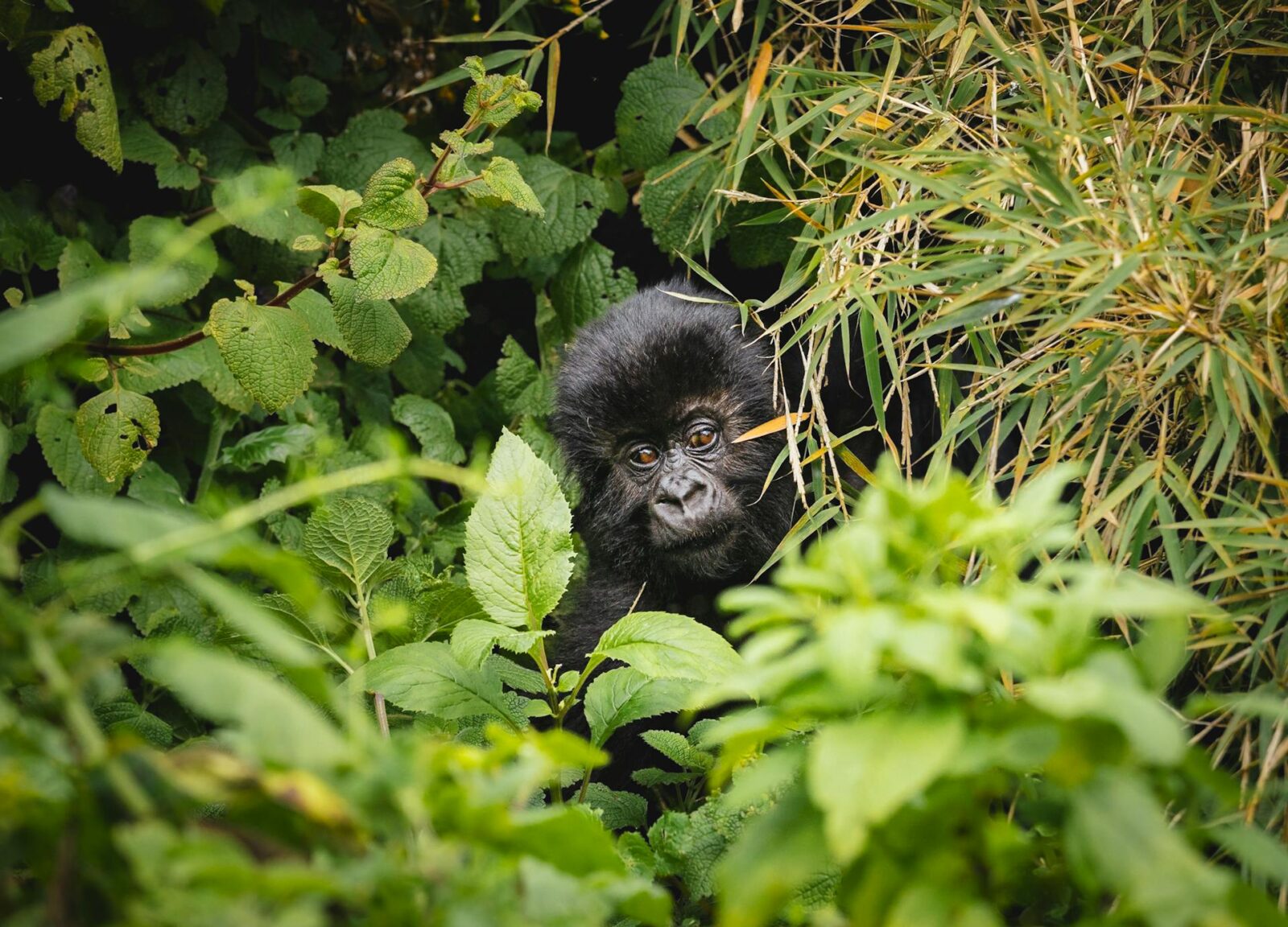
As light rains begin to refresh the forest, vegetation becomes greener and more vibrant, creating a visually stunning environment. This transition adds depth to the trekking experience without significantly compromising accessibility.
Gorilla Encounters and Wildlife Activity
September continues to offer excellent opportunities for close gorilla encounters, as the animals remain active and relatively easy to track. Food availability in the forest increases with the return of light rains, encouraging gorillas to remain within accessible areas.
Visitors can observe natural behaviors such as feeding, grooming, and social interaction within the group. The one-hour viewing period provides ample time to experience the dynamics of a gorilla family, from playful juveniles to protective silverbacks.
The quieter environment also enhances the experience, allowing for more peaceful and less crowded encounters, which many travelers find more rewarding than peak-season treks.
Fewer Crowds and Better Availability
One of September’s biggest advantages is the reduction in tourist numbers, creating a more relaxed atmosphere across trekking sectors and lodges. While permits are still limited to protect the gorillas, they are easier to secure compared to July and August.
Accommodation availability improves as well, with a wider selection of lodges and often more competitive pricing. This makes September an excellent option for travelers seeking value and flexibility without sacrificing quality.
The reduced crowds also mean quieter trails, more personalized experiences, and a greater sense of connection with the forest environment.
Weather and Photography Opportunities
September weather is a mix of dry and light rainy conditions, offering unique advantages for photography. Early in the month, clear skies and dry trails dominate, while later weeks bring occasional showers that enhance the forest’s vibrancy.
The soft, diffused light created by cloud cover can be ideal for photography, reducing harsh shadows and improving image quality. The lush greenery and refreshed landscapes provide rich, colorful backdrops for capturing gorillas and their habitat.
Temperatures remain comfortable, with cool mornings and warm afternoons, making trekking enjoyable throughout the day.
Accommodation and Safari Planning
Planning a gorilla safari in September is more flexible compared to peak months, allowing travelers to choose from a wider range of accommodation options. Lodges in Buhoma, Rushaga, Ruhija, and Nkuringo are more readily available, and some may offer seasonal discounts.
Travel logistics remain straightforward, with access via Entebbe International Airport followed by road transfers or domestic flights. Staying close to the trekking starting point is still recommended for convenience and early morning departures.
Safari operators often provide tailored itineraries that take advantage of the shoulder season, ensuring a smooth and enjoyable experience.
Practical Tips for September Safaris
Preparation for September trekking should account for both dry and slightly wet conditions. Wearing layered clothing is essential for temperature changes, while waterproof hiking boots and a light rain jacket ensure comfort during occasional showers.
Carrying essentials such as water, snacks, insect repellent, and camera equipment is important for a successful trek. A waterproof cover for cameras and bags is also recommended due to the possibility of rain.
Hiring a porter can enhance comfort, particularly on longer treks, while also supporting local communities. Flexibility in scheduling and a positive mindset help travelers fully enjoy the dynamic conditions of the shoulder season.
Conservation and Community Impact
Gorilla trekking in September continues to support conservation efforts, with permit fees contributing to habitat protection, research, and anti-poaching initiatives. The steady flow of visitors during the shoulder season ensures ongoing support for conservation without the pressure of peak-season crowds.
Local communities benefit from tourism through employment and business opportunities, reinforcing the importance of sustainable travel practices. Visitors are encouraged to respect guidelines, minimize environmental impact, and engage responsibly with local culture.
Why September Stands Out
September offers a rare combination of quality, value, and tranquility, making it one of the best months for gorilla safaris in Uganda. The balance of good trekking conditions, fewer crowds, and lush scenery creates a well-rounded and rewarding experience.
For travelers who prioritize intimacy, flexibility, and scenic beauty, September provides an ideal alternative to the busy peak months while maintaining high standards of wildlife encounters.
Conclusion
September is truly a shoulder season sweet spot for gorilla trekking, delivering excellent conditions, quieter trails, and vibrant forest landscapes. It allows visitors to enjoy meaningful and immersive encounters with mountain gorillas without the intensity of peak-season crowds.
With thoughtful preparation and flexible planning, a gorilla safari in September offers a balanced, enriching, and unforgettable experience, making it one of the smartest times to explore Uganda’s iconic gorilla habitats.