Gorilla Safaris Uganda for Americans: Planning Your Trip
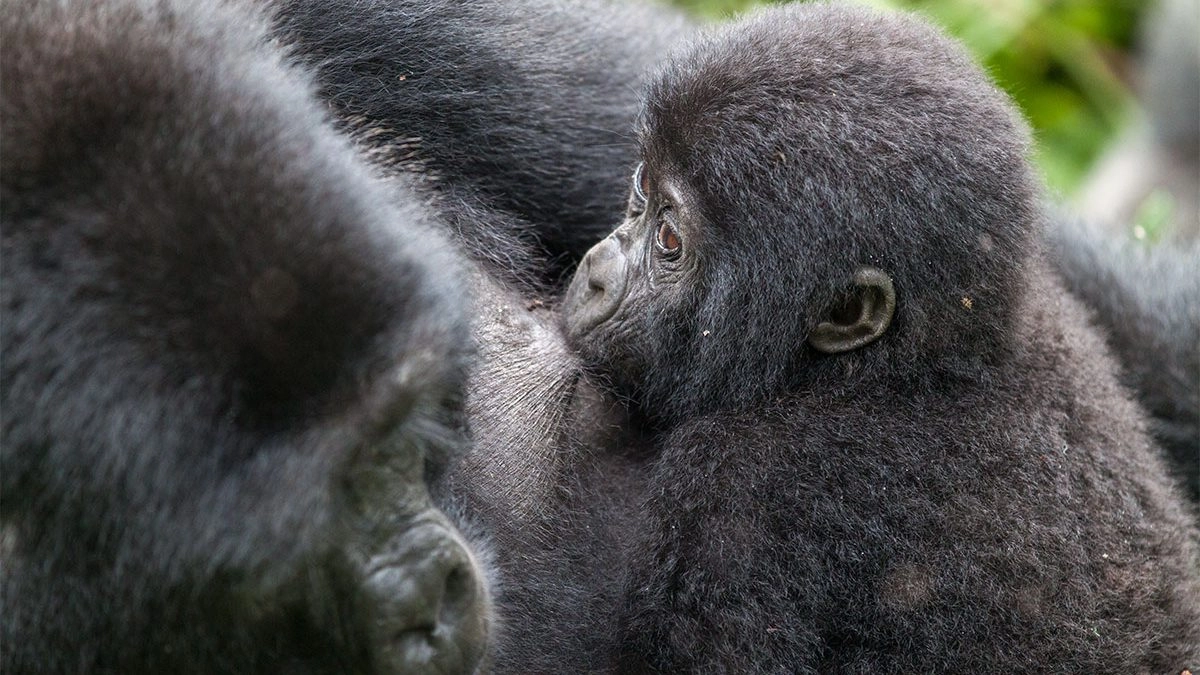
Gorilla safaris in Uganda offer American travelers one of the most extraordinary wildlife experiences on Earth, combining close encounters with mountain gorillas, rich cultural immersion, and diverse safari landscapes. Uganda, often referred to as the “Pearl of Africa,” is home to more than half of the world’s remaining mountain gorillas, primarily found in Bwindi Impenetrable National Park and Mgahinga Gorilla National Park. These protected forests provide a rare opportunity to observe gorillas in their natural habitat, guided by expert trackers and conservation teams.
For Americans planning a gorilla safari, understanding travel logistics, entry requirements, costs, and itinerary options is essential. From long-haul flights and visa procedures to health requirements and packing strategies, every step plays a crucial role in ensuring a smooth and rewarding journey. This guide provides a comprehensive overview tailored specifically for travelers departing from the United States, helping you plan an unforgettable and well-organized safari experience in Uganda.
Getting from the United States to Uganda
Traveling from the United States to Uganda typically involves long-haul international flights with one or two connections. There are no direct flights to Uganda from the U.S., so most travelers depart from major hubs such as New York, Washington D.C., Atlanta, or Los Angeles, connecting through cities like Doha, Istanbul, Amsterdam, or Dubai. Popular airlines servicing these routes include Qatar Airways, Emirates, and KLM Royal Dutch Airlines.
Flights typically arrive at Entebbe International Airport, the main international gateway to Uganda. Total travel time ranges between 18 to 30 hours depending on connections and layover durations. Upon arrival, travelers are welcomed into a tropical climate with warm temperatures and lush landscapes, marking the beginning of their African safari adventure.
Planning flights well in advance is crucial for securing better fares and preferred routes. Peak travel periods, particularly during summer and holiday seasons in the U.S., can lead to higher prices and limited availability. Booking three to six months ahead is recommended for optimal convenience and cost efficiency.
Visa Requirements for American Travelers
American citizens are required to obtain a visa before entering Uganda. The most convenient option is the Uganda e-visa, which can be applied for online prior to travel. Applicants must submit passport details, a passport-sized photo, and travel itinerary information, with processing typically taking a few business days.
Alternatively, travelers can opt for the East African Tourist Visa. This visa allows entry into Uganda, Rwanda, and Kenya on a single permit, making it ideal for multi-country safari itineraries. It is especially useful for travelers combining gorilla trekking in Uganda with visits to Rwanda’s Volcanoes National Park or Kenya’s savannah reserves.
Passport validity and documentation are essential considerations. Travelers must have a passport valid for at least six months beyond their travel dates, along with proof of onward travel and accommodation bookings.
Health Requirements and Travel Insurance
Health preparation is a critical component of planning a gorilla safari in Uganda. A yellow fever vaccination certificate is mandatory for entry into Uganda, and travelers must present proof upon arrival. Additional recommended vaccinations include hepatitis A and B, typhoid, tetanus, and rabies, depending on travel plans.
Malaria prevention is strongly advised. Travelers should consult healthcare providers for appropriate anti-malarial medication and carry insect repellent, long-sleeved clothing, and mosquito nets where necessary.
Comprehensive travel insurance is highly recommended. Policies should cover medical emergencies, trip cancellations, evacuation, and gorilla trekking activities. Given the remote locations and physical demands of trekking, having adequate insurance ensures peace of mind and financial protection throughout the journey.
Gorilla Trekking Permits and Costs
Gorilla trekking permits are the most important and valuable component of the safari experience. In Uganda, permits cost approximately $800 per person and grant access to one gorilla trek, including one hour spent observing a habituated gorilla family.
Permits are issued by the Uganda Wildlife Authority and are limited in number. Each gorilla family can only be visited by eight people per day, making permits highly competitive, especially during peak seasons. Booking permits at least three to six months in advance is strongly recommended for American travelers planning their trip from afar.
Gorilla habituation experiences are also available. These extended treks allow visitors to spend up to four hours with gorillas under habituation, providing deeper insights into their behavior and interactions. This option is more expensive but offers a more immersive and less crowded experience.
Choosing Between Bwindi and Mgahinga
Uganda offers two distinct destinations for gorilla trekking, each with unique characteristics. Bwindi Impenetrable National Park is the most popular, home to the majority of habituated gorilla families and offering multiple trekking sectors such as Buhoma, Ruhija, Rushaga, and Nkuringo. The park’s dense forest, steep terrain, and high biodiversity make it a rich and challenging trekking environment.
Mgahinga Gorilla National Park provides a more exclusive and scenic experience. Located within the Virunga Mountains, Mgahinga features volcanic landscapes, bamboo forests, and fewer trekking groups. While it hosts fewer gorilla families, it offers a quieter and more intimate trekking atmosphere, ideal for travelers seeking solitude and dramatic scenery.
Choosing between the two depends on travel style and preferences. Bwindi offers variety and accessibility, while Mgahinga provides exclusivity and stunning volcanic views.
Best Time for Americans to Visit
Timing your safari is crucial for maximizing your experience. The best months for gorilla trekking in Uganda are during the dry seasons, from June to September and December to February. During these periods, trails are less slippery, vegetation is thinner, and trekking conditions are more manageable.
For American travelers, summer vacations align well with Uganda’s peak trekking season. This makes June through August an ideal time to visit, although permits and accommodations should be booked well in advance due to high demand.
The rainy seasons, from March to May and October to November, offer advantages as well. Fewer tourists, lower accommodation rates, and lush green landscapes make these months attractive for budget-conscious travelers, though trekking conditions can be more challenging.
Safari Itinerary Options for Americans
A typical gorilla safari itinerary for Americans ranges from 5 to 10 days, depending on travel preferences and available time. Most itineraries begin in Entebbe or Kampala, followed by either a domestic flight or road transfer to Bwindi or Mgahinga.
Short itineraries focus primarily on gorilla trekking. A 3 to 4-day trip may include arrival, transfer to the park, one trekking day, and return travel. These are ideal for travelers with limited time or those combining Uganda with other destinations.
Longer itineraries offer a comprehensive safari experience. Travelers can include chimpanzee tracking in Kibale Forest, game drives in Queen Elizabeth National Park, and boat safaris along the Kazinga Channel. This combination provides a broader view of Uganda’s wildlife and ecosystems, enhancing the overall experience.
Accommodation Options and Safari Lodges
Uganda offers a wide range of accommodations catering to different budgets and preferences. Luxury lodges provide premium services, stunning views, and close proximity to trekking start points, while mid-range and budget lodges offer comfortable and affordable alternatives.
Lodges in Bwindi are strategically located across different sectors. Choosing accommodation close to your trekking sector reduces travel time and ensures a smoother experience. Many lodges also offer cultural activities, guided walks, and community visits, enriching your stay beyond gorilla trekking.
Booking accommodation in advance is essential. During peak seasons, lodges fill quickly, particularly those near popular trekking sectors. Coordinating lodging with your permit allocation ensures convenience and efficiency.
Cultural Experiences and Community Interaction
Gorilla safaris in Uganda are not limited to wildlife; they also offer meaningful cultural interactions. Visitors can engage with local communities, including the Batwa people, who are indigenous forest dwellers with a deep historical connection to the region.
Cultural visits provide insights into traditional lifestyles, music, dance, and storytelling. These experiences enhance understanding of the human dimension of conservation, highlighting how communities coexist with wildlife and benefit from tourism initiatives.
Supporting local communities contributes to sustainable tourism. Revenue from cultural activities helps fund education, healthcare, and development projects, reinforcing the importance of responsible travel practices.
Packing Tips for American Travelers
Packing appropriately is essential for a successful gorilla safari. Lightweight, breathable clothing, long sleeves, and waterproof gear are recommended due to variable weather conditions. Hiking boots with good traction are crucial for navigating forest trails.
Additional essentials include insect repellent, sunscreen, a reusable water bottle, and a daypack. Cameras with zoom lenses, binoculars, and extra batteries enhance wildlife viewing and photography opportunities.
Travel documents should be organized and easily accessible. Keeping copies of passports, visas, permits, and insurance details ensures preparedness in case of emergencies or checkpoints.
Conclusion
Gorilla safaris in Uganda offer American travelers a rare and transformative journey into the heart of Africa’s wilderness. From the logistical planning of flights and visas to the unforgettable experience of encountering mountain gorillas in their natural habitat, every aspect of the journey contributes to a deeply enriching adventure.
By preparing thoroughly, choosing the right itinerary, and engaging responsibly with wildlife and local communities, travelers can ensure a safe, meaningful, and unforgettable safari. Uganda’s combination of biodiversity, conservation success, and cultural richness makes it one of the most rewarding destinations for Americans seeking authentic and impactful travel experiences.