Gorilla Safaris Uganda for Australians: Long-Haul Planning Guide
Gorilla safaris in Uganda represent one of the most extraordinary long-haul wildlife journeys for Australian travellers, combining remote rainforest trekking, rare primate encounters, and immersive African landscapes. For visitors departing from Australia, the journey to Uganda is significant in both distance and planning complexity, requiring careful coordination of flights, visas, health requirements, and safari logistics. However, the reward is unparalleled: a face-to-face encounter with endangered mountain gorillas in their natural habitat.
Uganda is home to more than half of the world’s remaining mountain gorillas, primarily protected within Bwindi Impenetrable National Park and Mgahinga Gorilla National Park. These dense montane forests provide the perfect environment for gorilla trekking, guided by expert rangers and trackers who ensure both visitor safety and conservation integrity. For Australians accustomed to long-haul travel, Uganda offers a deeply rewarding destination that combines adventure, conservation, and cultural richness.
This comprehensive guide is tailored specifically for Australian travellers planning a gorilla safari to Uganda. It covers flight routes, visa processes, health considerations, trekking permits, itinerary planning, and practical travel advice to ensure a seamless and unforgettable experience.
Long-Haul Flights from Australia to Uganda
Travelling from Australia to Uganda is a true intercontinental journey, typically involving multiple flight segments and extended travel time. Major departure cities include Sydney, Melbourne, Brisbane, and Perth, with routes connecting through global hubs such as Dubai, Doha, Abu Dhabi, or Istanbul. Airlines commonly used for these routes include Emirates, Qatar Airways, and Turkish Airlines.
Flights typically arrive at Entebbe International Airport, Uganda’s primary international gateway. Total travel time ranges from 20 to 35 hours depending on the route, layovers, and departure city. Travellers from Perth often experience slightly shorter journeys due to geographic proximity to the Middle East.
Planning for long-haul comfort is essential. Australians should consider breaking the journey with a stopover in cities like Dubai or Doha to reduce fatigue. Booking flights at least four to six months in advance ensures better pricing, seat selection, and itinerary flexibility, especially during peak travel seasons.
Visa Requirements for Australian Travellers
Australian passport holders require a visa to enter Uganda, with the e-visa system being the most convenient option. Applications are completed online prior to travel, requiring passport details, a photograph, and travel itinerary information. Processing usually takes a few days, though early application is recommended to avoid last-minute delays.
The East African Tourist Visa is a valuable option for multi-country safaris. This visa allows entry into Uganda, Rwanda, and Kenya on a single permit, making it ideal for Australians combining gorilla trekking with additional safari experiences across East Africa.
Ensure passport validity and documentation compliance. Passports must be valid for at least six months beyond travel dates, and travellers should carry printed copies of visas, accommodation bookings, and return flight details for immigration checks.
Health Requirements and Medical Preparation
Health preparation is a critical step for Australians undertaking a gorilla safari in Uganda. A yellow fever vaccination certificate is mandatory and must be presented upon arrival. Additional recommended vaccinations include hepatitis A and B, typhoid, tetanus, and rabies, depending on the nature and duration of travel.
Malaria prevention is essential in Uganda’s tropical environment. Travellers should consult their healthcare provider for anti-malarial medication and carry insect repellent, protective clothing, and mosquito nets where applicable.
Travel insurance is highly recommended and should include comprehensive coverage. Policies should cover medical emergencies, evacuation, trip cancellations, and gorilla trekking activities. Given the remote forest environments and physical demands of trekking, adequate insurance provides essential protection and peace of mind.
Gorilla Trekking Permits and Booking Strategy
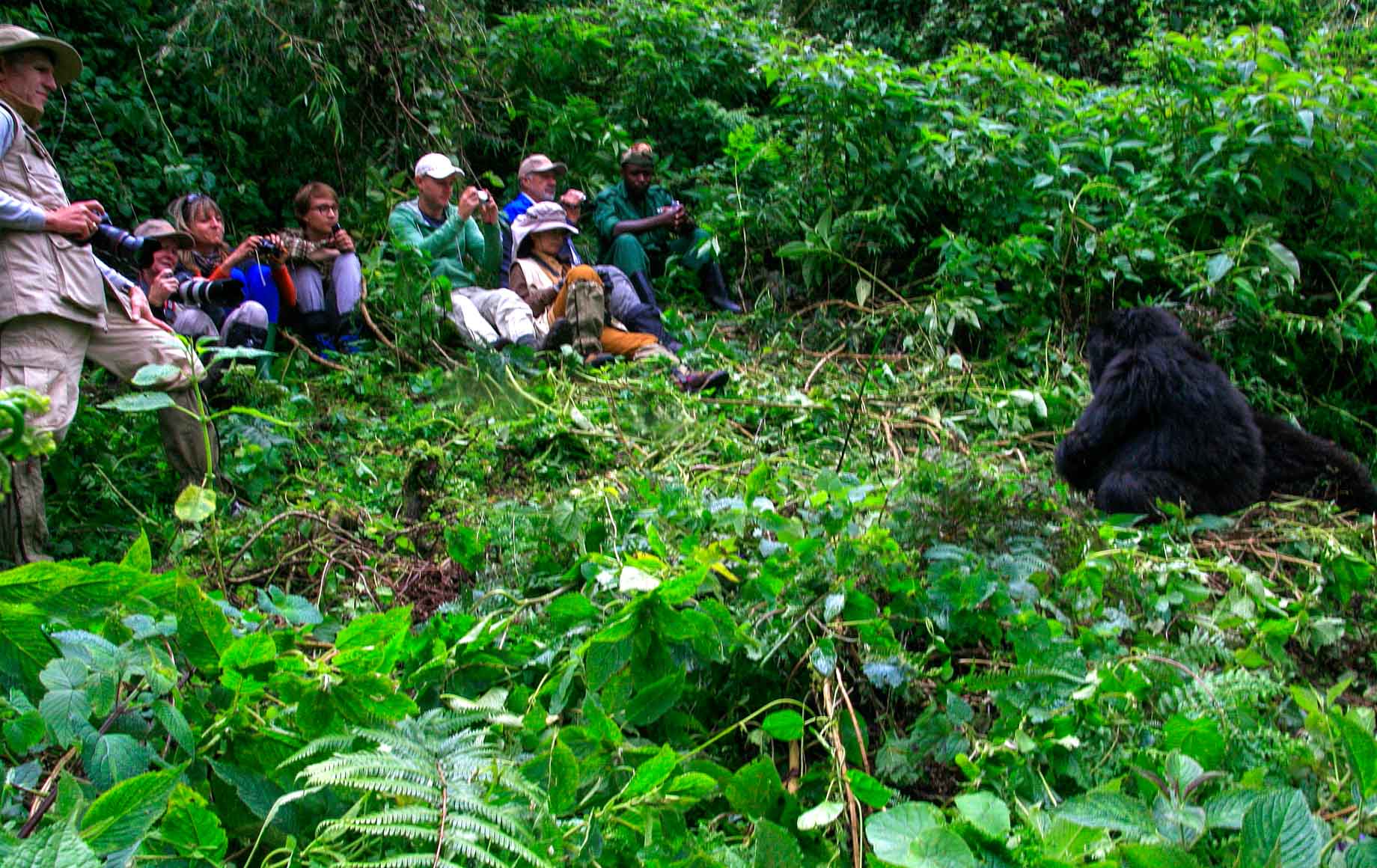
Gorilla trekking permits are the most important component of your safari and must be secured well in advance. In Uganda, permits cost approximately $800 per person and allow one hour of observation with a habituated gorilla family.
Permits are issued by the Uganda Wildlife Authority and are limited in number. Each gorilla family is visited by a maximum of eight trekkers per day, making availability competitive. Australians should book permits at least four to six months ahead, particularly for travel during peak seasons.
Gorilla habituation experiences provide a more immersive alternative. These allow up to four hours with gorillas and are ideal for travellers seeking deeper interaction and photography opportunities. Though more expensive, they offer exceptional value for those travelling long distances.
Choosing the Right Gorilla Trekking Destination
Uganda offers two primary locations for gorilla trekking, each with distinct advantages. Bwindi Impenetrable National Park is the most popular destination, known for its high density of gorilla families and diverse trekking sectors such as Buhoma, Ruhija, Rushaga, and Nkuringo. The terrain is challenging but rewarding, with dense forest and rich biodiversity.
Mgahinga Gorilla National Park offers a quieter and more scenic alternative. Located within the Virunga Mountains, it features volcanic landscapes, bamboo forests, and fewer trekking groups, providing a more exclusive experience.
Your choice depends on travel preferences. Bwindi offers variety and higher availability, while Mgahinga appeals to travellers seeking solitude, dramatic scenery, and a more intimate trekking environment.
Best Time for Australians to Visit Uganda
The best time for gorilla trekking in Uganda aligns with the country’s dry seasons. These occur from June to September and December to February, offering more stable weather conditions, less muddy trails, and better visibility in the forest.
Australian travellers often plan trips during their winter months, particularly June to August. This coincides with Uganda’s peak trekking season, making early booking essential for permits and accommodation.
Rainy seasons, from March to May and October to November, provide alternative advantages. Fewer tourists, lower costs, and lush landscapes appeal to budget-conscious travellers, though trekking conditions may be more demanding.
Safari Itinerary Options for Australians
Due to the long travel distance, Australians are advised to plan extended itineraries to maximize their experience. A minimum of 7 to 10 days in Uganda is recommended, allowing sufficient time for gorilla trekking and additional wildlife activities.
Shorter itineraries focus primarily on gorilla trekking. These typically include arrival in Entebbe, transfer to Bwindi or Mgahinga, a trekking day, and return travel. While efficient, they may feel rushed given the long journey from Australia.
Longer itineraries provide a comprehensive safari experience. Travellers can include chimpanzee tracking in Kibale Forest, game drives in Queen Elizabeth National Park, and boat safaris along the Kazinga Channel. These additions offer diverse wildlife encounters and a more complete understanding of Uganda’s ecosystems.
Combining Uganda with Rwanda or Kenya enhances the journey. Australians often extend their safari to include the Serengeti, Masai Mara, or Volcanoes National Park, creating a multi-country East African adventure.
Accommodation and Safari Lodges
Uganda offers a wide range of accommodation options to suit different budgets and preferences. Luxury lodges provide high-end comfort, scenic views, and proximity to trekking start points, while mid-range and budget lodges offer affordable alternatives without compromising quality.
Selecting accommodation close to your trekking sector is essential. This reduces travel time on trekking days and ensures a more relaxed experience. Many lodges also provide cultural activities, guided walks, and community visits, enriching your stay beyond wildlife encounters.
Advance booking is highly recommended. Peak seasons see high demand, particularly for lodges near Bwindi’s popular sectors, making early reservations crucial.
Cultural Experiences and Local Interaction
A gorilla safari in Uganda offers meaningful cultural engagement alongside wildlife experiences. Visitors can interact with local communities, including the Batwa people, gaining insights into traditional forest lifestyles, music, and storytelling.
Cultural experiences deepen understanding of conservation efforts. They highlight how local communities benefit from tourism and contribute to protecting gorilla habitats. Supporting these initiatives ensures sustainable development and strengthens the connection between visitors and the destination.
Packing Tips for Long-Haul Travellers
Packing strategically is essential for Australian travellers undertaking long journeys to Uganda. Lightweight clothing, waterproof gear, and sturdy hiking boots are crucial for trekking in variable forest conditions.
Additional essentials include insect repellent, sunscreen, reusable water bottles, and a daypack. Cameras with zoom lenses, binoculars, and spare batteries enhance wildlife viewing and photography opportunities.
Travel documents should be organized and easily accessible. Keeping copies of passports, visas, permits, and insurance ensures preparedness throughout the journey.
Conclusion
Gorilla safaris in Uganda offer Australian travellers a truly transformative long-haul adventure, combining rare wildlife encounters, diverse ecosystems, and meaningful cultural experiences. While the journey requires careful planning and preparation, the reward of observing mountain gorillas in their natural habitat is unparalleled.
By organizing flights, permits, health requirements, and itineraries effectively, Australians can ensure a seamless and enriching safari experience. Uganda’s commitment to conservation, sustainable tourism, and community engagement makes it one of Africa’s most rewarding destinations, offering memories that last a lifetime.