Gorilla Safaris Uganda Rushaga: Why It Has the Most Families
Rushaga Sector in Bwindi Impenetrable National Park is renowned for housing the largest concentration of habituated gorilla families in the park, making it a top choice for travelers seeking diverse and abundant gorilla encounters. Located in the southern region of Bwindi, Rushaga is less frequented than the northern Buhoma sector, offering a more intimate trekking experience with numerous options for both short and long treks.
With its varied terrain, dense forest, and well-established habituation program, Rushaga has become the premier destination for those aiming to maximize the chance of seeing multiple gorilla families in a single safari. It provides an excellent balance of adventure, accessibility, and wildlife diversity.
Why Rushaga Has the Most Gorilla Families
Rushaga’s southern location and extensive forest coverage make it ideal for gorilla habitation, providing sufficient space, abundant food sources, and natural protection. The area’s diverse topography—from gentle slopes to steep valleys—supports multiple gorilla families without overcrowding, allowing for sustainable tourism.
The habituation program in Rushaga has been highly successful, with several families opened to trekking over the years. Families such as the Oruzogo, Kahungye, Kyagurilo, and Mishaya are among the most visited, offering unique behaviors and social dynamics for trekkers to observe.
This concentration of gorilla families allows visitors to choose from different groups based on trekking difficulty, group size, and desired experience, making Rushaga an ideal destination for both novice and experienced trekkers.
Trekking Experience in Rushaga
Gorilla trekking in Rushaga offers varied terrain, from moderate trails to more challenging hikes. The southern sector is less crowded than Buhoma, providing a sense of seclusion and a closer connection to the forest.
Treks typically range from two to six hours depending on the family’s location. Some families, like Mishaya, require longer treks through valleys and ridges, rewarding visitors with spectacular forest views and opportunities to observe gorillas in natural social interactions.
The lush forest of Rushaga enhances the trekking experience, with rich biodiversity including birds, monkeys, and diverse plant species. Rangers and guides ensure safety while providing informative commentary, enriching the experience with conservation knowledge.
Accessibility and Logistics
Rushaga is accessible by road from major Ugandan cities, though the journey is longer than Buhoma, typically requiring ten to twelve hours from Kampala or Entebbe. The sector is reachable via well-maintained dirt roads, with some lodges offering transfers from nearby airstrips.
This relative remoteness contributes to a quieter experience, with fewer tourists on the trails, while still offering essential amenities such as park headquarters, ranger support, and lodging options nearby.
Travelers seeking a more secluded and immersive trek often prefer Rushaga for its combination of accessibility and exclusivity.
Gorilla Families and Viewing Opportunities
Rushaga hosts a variety of habituated gorilla families, each with distinctive characteristics. The Oruzogo family is often praised for its large group size and active silverbacks, while the Kahungye family provides close-up interactions and easier trekking routes. The Kyagurilo and Mishaya families offer longer, more adventurous treks through dense forest and scenic landscapes.
Having multiple families in a single sector allows for flexibility in trekking plans, enabling visitors to select groups based on difficulty, timing, and personal preference. This diversity makes Rushaga a favorite for photographers and wildlife enthusiasts.
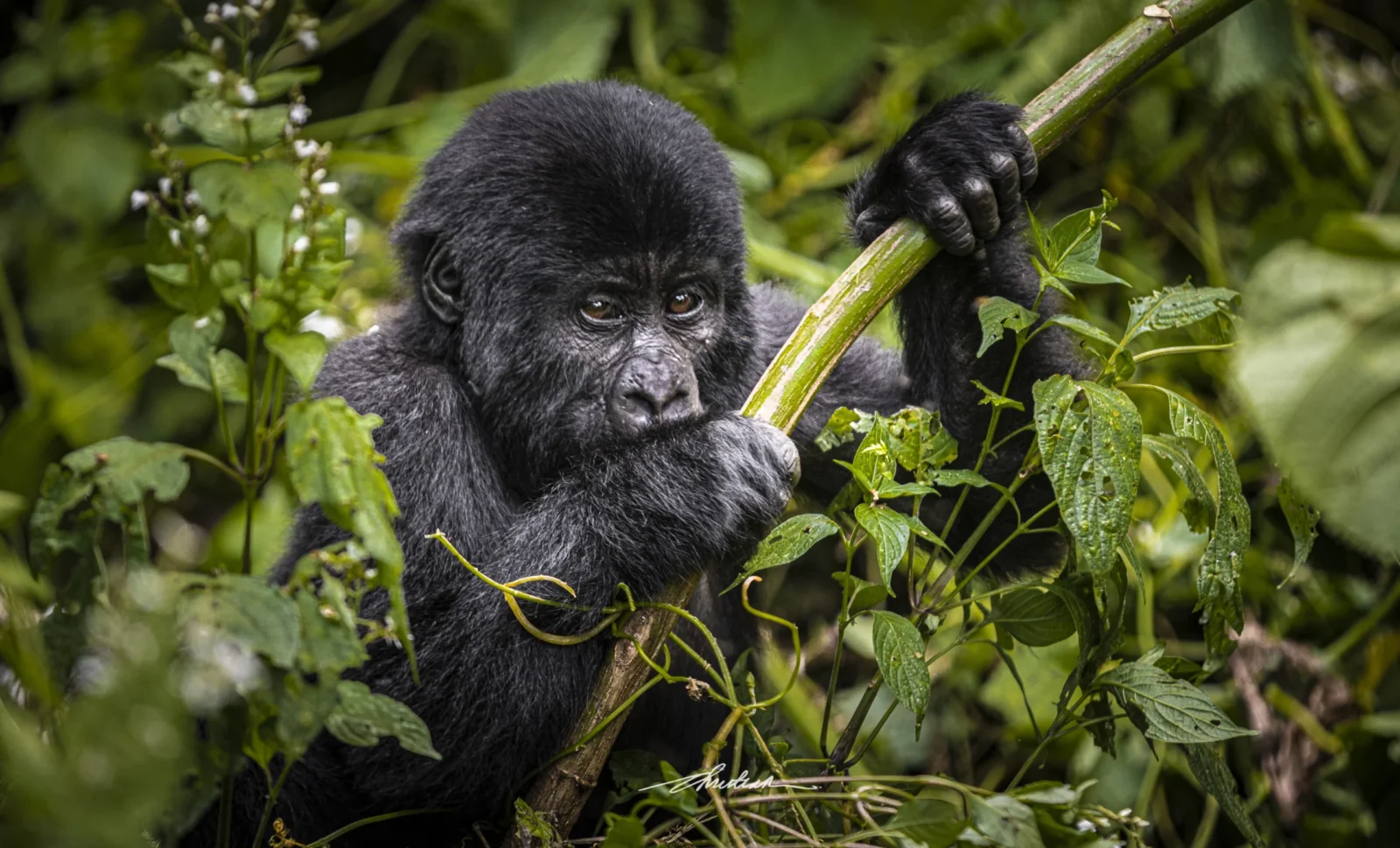
The one-hour viewing period offers ample time to observe feeding, grooming, and playful interactions, providing a deeply engaging wildlife experience.
Accommodation in Rushaga
Rushaga offers a range of lodges and camps suited to different budgets, many of which are strategically located near trekking starting points. Luxury lodges provide panoramic views, high-end amenities, and immersive forest experiences, while mid-range and budget options offer comfort and convenience without compromising proximity to the trails.
Staying near the park headquarters enhances trekking efficiency, allowing early departures for gorilla tracking and minimizing travel fatigue. The variety of accommodation options ensures that Rushaga can cater to different travel styles while maintaining easy access to its multiple gorilla families.
Wildlife and Scenic Highlights
Beyond gorillas, Rushaga is rich in biodiversity and natural beauty, offering sightings of forest monkeys, birds, and other wildlife species. The southern sector’s ridges and valleys provide panoramic vistas of Bwindi’s dense rainforest, creating exceptional photo opportunities.
The forest itself is a living museum of tropical flora, with towering trees, moss-covered rocks, and a variety of endemic plant species. Trekking through this environment enhances the sense of adventure and immersion for visitors, making each safari unique.
Best Time to Visit Rushaga
Rushaga can be visited year-round, but dry months—June to September and December to February—are ideal for trekking, as trails are easier to navigate and gorilla visibility is high.
However, the wet season offers fewer crowds and lush landscapes, providing a different, yet equally rewarding, trekking experience. The diversity of trekking conditions ensures that Rushaga caters to both peak-season visitors and those seeking a quieter, more scenic safari.
Practical Tips for Trekking in Rushaga
Preparation is key for a successful Rushaga trek, particularly given the varied terrain and occasional muddy trails. Trekking boots with strong grip, long sleeves, and insect repellent are essential for comfort and safety.
Carrying water, snacks, and a camera is recommended, and hiring a porter can be beneficial for longer treks. Flexibility and patience enhance the experience, especially for families requiring longer tracking times.
Visitors should also adhere strictly to park guidelines, including maintaining a safe distance from gorillas, avoiding direct eye contact, and following ranger instructions to ensure safety and conservation compliance.
Conservation and Community Impact
Rushaga’s gorilla trekking contributes significantly to conservation and community development, with permit fees supporting habitat protection, research, and anti-poaching efforts.
Local communities benefit from employment, cultural tourism, and business opportunities, creating a sustainable link between wildlife protection and socio-economic growth. Responsible tourism practices by visitors further reinforce these conservation and community benefits.
Why Rushaga Stands Out
Rushaga stands out for its combination of high gorilla density, scenic landscapes, and less crowded trails, making it ideal for travelers seeking diverse encounters and immersive trekking experiences. The southern sector provides options for both moderate and challenging treks, accommodating different fitness levels and adventure preferences.
For those aiming to maximize gorilla sightings and enjoy a more intimate safari experience, Rushaga is often the preferred sector in Bwindi.
Conclusion
Rushaga Sector is the southern jewel of Bwindi Impenetrable National Park, offering the largest concentration of habituated gorilla families, exceptional biodiversity, and dramatic scenery. Its mix of accessibility, variety, and immersive trekking experiences makes it a standout destination for gorilla safaris in Uganda.
Whether you are a first-time visitor or a seasoned wildlife enthusiast, Rushaga delivers unforgettable encounters, memorable landscapes, and meaningful contributions to conservation, making it an essential part of any gorilla trekking itinerary.