Gorilla Safaris Uganda Self-Drive: Everything You Need to Know
Self-drive gorilla safaris in Uganda offer adventurous travellers the freedom to explore the country at their own pace while still experiencing one of Africa’s most iconic wildlife encounters. Unlike guided or fully organized tours, a self-drive safari allows you to control your itinerary, choose your routes, and immerse yourself more deeply in Uganda’s landscapes, cultures, and wildlife destinations. However, this independence comes with added responsibility, especially when navigating remote regions and preparing for gorilla trekking logistics.
Uganda is home to more than half of the world’s remaining mountain gorillas, found primarily in Bwindi Impenetrable National Park and Mgahinga Gorilla National Park. These parks are located in the southwestern part of the country, requiring long-distance travel from the main entry point. For self-drive travellers, planning routes, securing permits, and understanding road conditions are critical components of a successful safari.
This guide covers everything you need to know about planning a self-drive gorilla safari in Uganda, including vehicle selection, permits, navigation, accommodation, safety, and practical tips. With the right preparation, a self-drive safari can be one of the most rewarding and flexible ways to experience Uganda’s wildlife and natural beauty.
Is a Self-Drive Gorilla Safari in Uganda Feasible?
A self-drive safari in Uganda is entirely feasible, but it requires careful planning and a realistic understanding of the challenges involved. Uganda’s road network has improved significantly in recent years, with major highways connecting key towns and national parks. However, conditions vary widely, especially in rural and mountainous regions leading to gorilla trekking areas.
The journey to southwestern Uganda can take 8 to 10 hours by road from Kampala or Entebbe. While paved roads cover much of the distance, the final stretches toward Bwindi or Mgahinga often involve dirt roads, steep inclines, and muddy sections, particularly during rainy seasons. This makes driving both challenging and adventurous.
Self-drive is best suited for experienced travellers comfortable with long-distance driving and changing road conditions. Those unfamiliar with African driving environments may prefer a guided safari or a driver-guide option, which combines flexibility with local expertise.
Choosing the Right Vehicle
Selecting the appropriate vehicle is one of the most critical decisions for a self-drive gorilla safari. A 4×4 vehicle is essential, as many park access roads are unpaved, uneven, and can become slippery after rain. Vehicles such as Toyota Land Cruisers, Prado SUVs, or similar off-road models are highly recommended.
Ground clearance, reliability, and fuel efficiency are key considerations. Vehicles should be equipped with spare tires, a jack, and basic repair tools. Rental companies in Uganda often provide well-maintained 4×4 vehicles suitable for safari conditions, along with optional extras such as rooftop tents, GPS units, and camping gear.
Fuel planning is equally important. Petrol stations are available in major towns but can be sparse in remote areas. Travellers should refuel whenever possible and consider carrying extra fuel for long stretches without service stations.
Gorilla Trekking Permits: Booking in Advance
Gorilla trekking permits are mandatory and must be secured before your trip. Permits in Uganda cost approximately $800 per person and grant access to a single trek with one hour of observation.
Permits are issued by the Uganda Wildlife Authority and are strictly limited. Each habituated gorilla family can only be visited by eight people per day, making permits highly competitive, especially during peak seasons.
Self-drive travellers must plan their route around their permit allocation. Permits are assigned to specific trekking sectors within Bwindi or Mgahinga, so accommodation and travel plans should align with the designated sector. Booking permits at least three to six months in advance is strongly recommended.
Navigating to Gorilla Trekking Parks
Reaching Bwindi or Mgahinga requires careful route planning. From Kampala or Entebbe, the journey typically passes through towns such as Mbarara and Kabale before branching toward specific trekking sectors. Each sector of Bwindi—Buhoma, Ruhija, Rushaga, and Nkuringo—has its own access routes, some of which are more challenging than others.
GPS navigation is helpful but should not be solely relied upon. Mobile network coverage can be inconsistent in remote areas, so travellers should carry offline maps or consult local directions. Road signage is improving but can still be limited in rural regions.
Allow extra travel time for unexpected delays. Road conditions, weather, and occasional livestock crossings can slow progress, making it important to start journeys early and avoid driving at night.
Accommodation Planning for Self-Drive Safaris
Accommodation plays a key role in the success of a self-drive gorilla safari. Lodges are spread across different trekking sectors, and choosing the right one ensures proximity to your trekking start point.
Options range from luxury lodges to mid-range and budget accommodations. Luxury lodges offer premium services, scenic views, and easy access to trekking headquarters, while budget options provide basic comfort for travellers prioritizing affordability.
Booking in advance is essential. During peak seasons, lodges near popular sectors such as Buhoma and Rushaga fill quickly. Coordinating accommodation with your permit location minimizes travel time and ensures a smoother trekking experience.
Understanding Gorilla Trekking Logistics
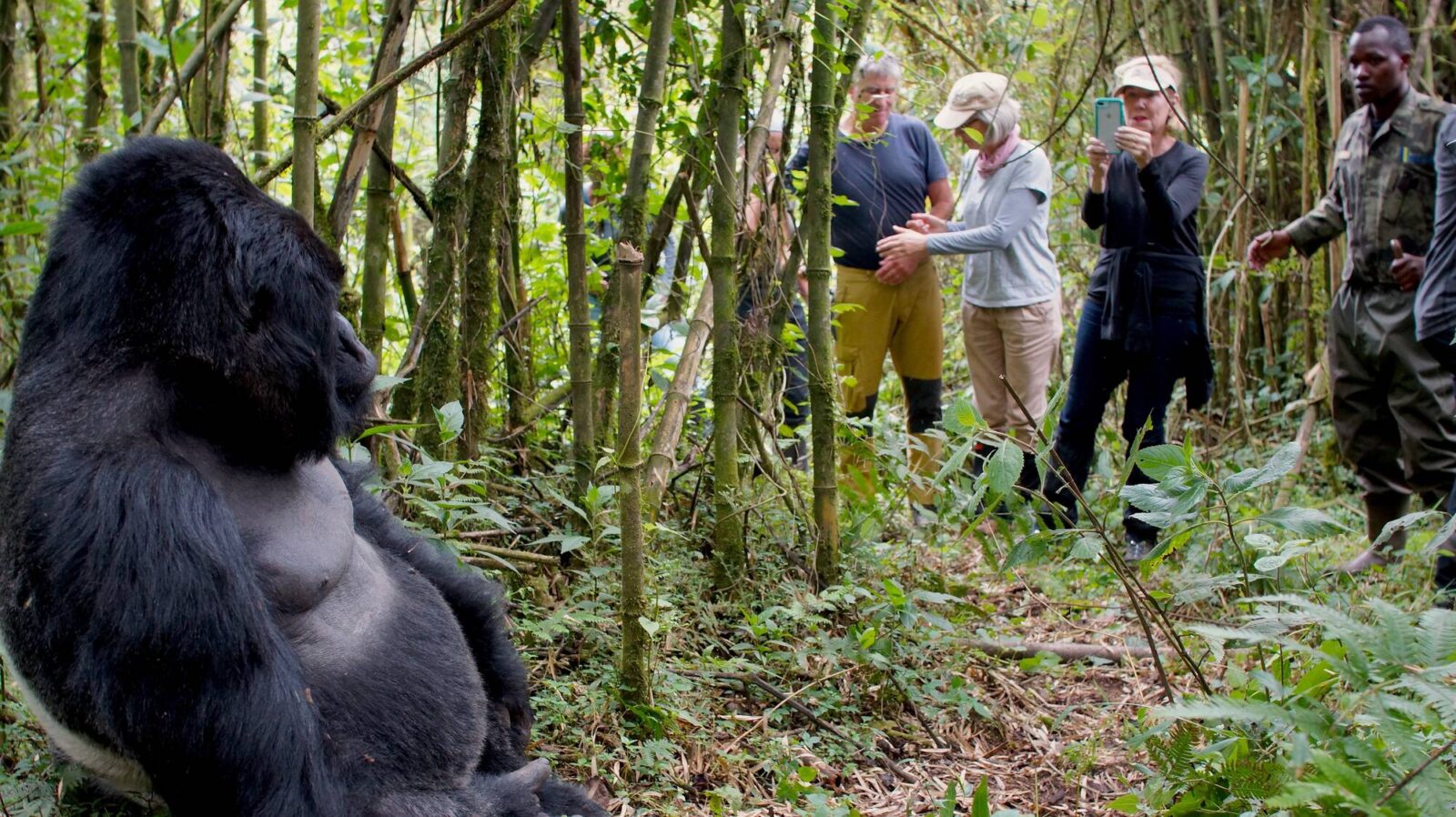
Gorilla trekking begins early in the morning with a briefing at park headquarters. Visitors are assigned to specific gorilla families and guided by trained rangers and trackers into the forest. Treks can last from one to six hours depending on gorilla location and terrain.
Self-drive travellers must ensure punctuality. Late arrival can result in missing the trek, as groups depart promptly after the briefing. Staying close to the briefing point the night before is highly recommended.
Hiring a porter is strongly advised. Porters assist with carrying bags, provide support on difficult terrain, and enhance the overall trekking experience. This also supports local communities and contributes to sustainable tourism.
Road Conditions and Driving Challenges
Driving conditions in Uganda vary significantly, especially in rural and mountainous regions. While major highways are generally paved, secondary roads can be rough, narrow, and prone to potholes. In forested areas, roads may become muddy and slippery during rainfall.
Weather plays a major role in road accessibility. During rainy seasons, certain routes may become difficult to navigate, requiring careful driving and, in some cases, assistance from locals or other travellers.
Driving at night is not recommended. Poor lighting, wildlife crossings, and limited signage increase the risk of accidents. Planning travel during daylight hours ensures safety and allows travellers to enjoy scenic landscapes along the way.
Safety Considerations for Self-Drive Travellers
Safety is a top priority for any self-drive safari in Uganda. Travellers should remain aware of their surroundings, follow local traffic regulations, and avoid speeding on unfamiliar roads.
Vehicle security is important. Parking in secure areas, locking doors, and avoiding leaving valuables visible reduces the risk of theft.
Communication is essential. Carrying a local SIM card, emergency contact numbers, and a basic first-aid kit ensures preparedness for unexpected situations. Informing someone of your travel plans and expected arrival times adds an extra layer of safety.
Combining Gorilla Trekking with Other Safari Experiences
A self-drive safari allows travellers to explore multiple destinations beyond gorilla trekking. Popular additions include Queen Elizabeth National Park for game drives and boat safaris, Kibale Forest for chimpanzee tracking, and Lake Bunyonyi for relaxation after trekking.
This flexibility enhances the overall safari experience. Travellers can customize their itinerary, spend more time in preferred locations, and discover lesser-known attractions along the route.
Combining destinations also maximizes the value of long-distance travel. Given the effort required to reach Uganda, adding diverse wildlife and cultural experiences creates a more comprehensive and rewarding journey.
Advantages and Disadvantages of Self-Drive Safaris
Self-drive safaris offer unmatched flexibility and independence. Travellers can set their own pace, explore off-the-beaten-path locations, and adjust plans spontaneously. This makes the experience more personal and immersive.
However, challenges include navigation, road conditions, and logistical planning. Without a guide, travellers must rely on their own knowledge and preparation, which can be demanding, particularly in unfamiliar environments.
Balancing independence with support is key. Some travellers choose a hybrid approach, combining self-drive with local guides for specific activities such as gorilla trekking, ensuring both freedom and expertise.
Practical Tips for a Successful Self-Drive Safari
Plan your route carefully and allow flexibility. Unexpected delays are common, so building extra time into your itinerary reduces stress and enhances enjoyment.
Carry essential supplies. Water, snacks, spare tires, and basic tools are necessary for long drives in remote areas.
Respect local communities and wildlife. Driving responsibly, following park rules, and engaging respectfully with locals contribute to a positive travel experience.
Stay informed about weather and road conditions. Checking forecasts and consulting local advice helps avoid difficult routes and ensures safer travel.
Conclusion
A self-drive gorilla safari in Uganda is an adventurous and rewarding way to experience one of the world’s most remarkable wildlife encounters. While it requires careful planning, preparation, and adaptability, the freedom to explore at your own pace adds a unique dimension to the journey.
By securing permits, choosing the right vehicle, planning routes effectively, and prioritizing safety, travellers can enjoy a seamless and unforgettable safari experience. Uganda’s diverse landscapes, rich wildlife, and welcoming communities make it an ideal destination for self-drive enthusiasts seeking both adventure and meaningful travel experiences.