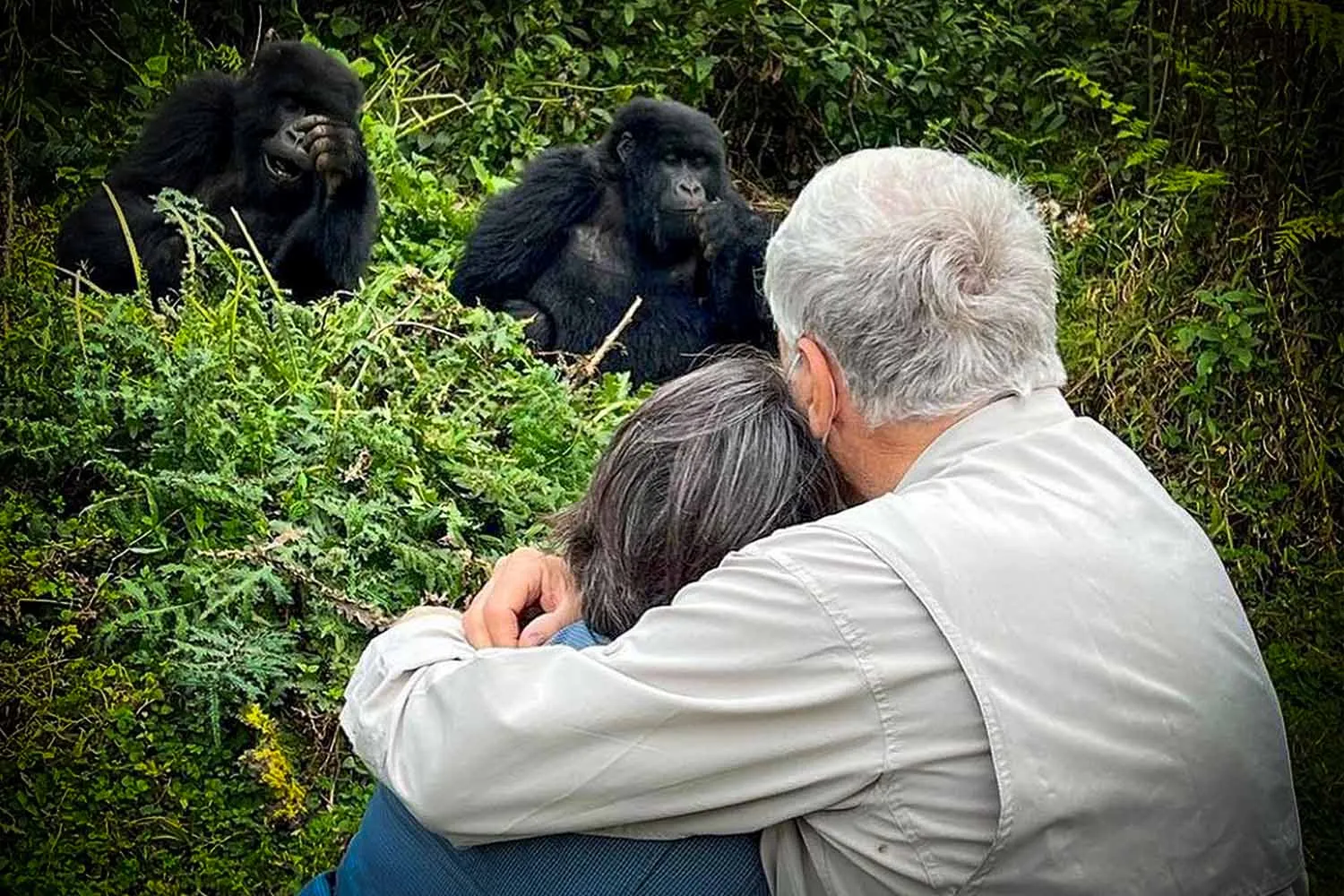
Gorilla Safaris Uganda: Your 2025 Complete Booking Guide
Overview of Gorilla Safaris in Uganda
Uganda is globally recognized as the “Pearl of Africa” for gorilla tourism, offering travelers unparalleled opportunities to encounter the endangered mountain gorillas in their natural rainforest habitats. The country hosts multiple habituated gorilla families across Bwindi Impenetrable National Park and Mgahinga Gorilla National Park, providing a variety of trekking experiences suitable for different levels of fitness, interest, and adventure.
Gorilla safaris in Uganda combine adventure, wildlife observation, and conservation engagement, making them some of the most sought-after experiences in East Africa. Trekkers can access families in sectors like Buhoma, Rushaga, Ruhija, and Nkuringo in Bwindi, each offering unique terrain, group sizes, and trekking challenges. Mgahinga offers an alternative experience with fewer tourists and smaller gorilla families, providing a more exclusive encounter.
The popularity of gorilla safaris stems not only from their rarity and beauty but also from the intimate wildlife interactions and ecological insights they offer. Observing these gentle giants in their natural habitat leaves a lasting impression, blending adventure tourism with a deep appreciation for conservation efforts and Uganda’s biodiversity.
A Detailed Study of Gorilla Safaris in Uganda
Understanding Gorilla Trekking Permits
Gorilla trekking permits are essential for accessing mountain gorillas, and booking them in advance is crucial due to limited availability and high demand, particularly during peak travel seasons. As of 2025, permits for Bwindi Impenetrable National Park are priced at approximately $700 per person for foreign non-residents, while Mgahinga Gorilla National Park permits cost around $600 per person.
Permits are issued by the Uganda Wildlife Authority (UWA) and are non-transferable, with strict adherence to trekking schedules to ensure minimal disturbance to the gorillas. Advanced booking is strongly recommended, especially for visits during dry seasons from June to September and December to February, when trekking conditions are optimal.
Travelers should note that permits are usually valid for a single trek per individual, and additional permits are required for multiple visits or if trekking different gorilla families. Local travel agents and safari operators often handle permit bookings alongside accommodation and itinerary planning, streamlining the process for international visitors.
Choosing the Right Gorilla Family
Selecting a gorilla family depends on trekking experience, desired challenge, and personal interest. For example, Mubare in Rushaga is historically significant as Uganda’s first habituated group and offers a relatively accessible trekking experience. Habinyanja and Busingye in Buhoma provide larger, dynamic groups with engaging social interactions, while Mishaya offers a smaller, intimate group with a solo silverback.
Ruhija sector families such as Bitukura and Rushegura offer high-altitude trekking and fewer crowds, appealing to trekkers seeking scenic routes and more privacy. Nkuringo and Rushaga families may involve steeper climbs and longer hikes, suitable for those with moderate to high fitness levels.
Factors such as group size, silverback activity, and daily movements influence the trekking experience. Experienced guides provide detailed briefings on family composition, behavior, and terrain, helping trekkers make informed choices based on their preferences.
Best Time for Gorilla Safaris
The ideal times for gorilla trekking in Uganda are during the dry seasons, from June to September and December to February. Trails are more navigable, encounters are often easier, and the forest is lush yet accessible.
Rainy seasons (March to May and October to November) present challenges including muddy trails, dense vegetation, and increased physical exertion. However, trekking during these months has advantages such as fewer visitors, more intimate encounters, and verdant scenery, which enhances photographic opportunities.
Seasonal planning is important, especially for travelers from countries with limited leave windows, as peak seasons require advanced permit booking and often higher costs. Local climate and daily trail conditions should be considered when preparing for the trek.
Planning Your Gorilla Safari Itinerary
A well-structured itinerary typically includes travel to Entebbe or Kampala, domestic flights or road transfers to the park, and at least one gorilla trekking day, supplemented by cultural visits, community interactions, and optional wildlife experiences such as chimpanzee tracking or birding.
Example itinerary structure:
Day 1: Arrival in Entebbe, Uganda; airport transfer and overnight stay.
Day 2: Domestic flight or drive to Bwindi Impenetrable National Park; arrival and lodge check-in.
Day 3: Gorilla trekking in your selected sector; return to lodge for relaxation.
Day 4: Optional second gorilla trek, cultural visit, or nature walk; evening at lodge.
Day 5: Return to Kampala or Entebbe for departure.
This structure can be adapted to longer safaris, combining multiple gorilla families, chimpanzee tracking in Kibale Forest National Park, and visits to savannah parks such as Queen Elizabeth National Park for Big Five wildlife viewing.
Accommodation and Lodging Options
Uganda offers a wide range of lodges and camps near gorilla trekking sites, ranging from luxury lodges to budget-friendly accommodations. In Bwindi’s Buhoma sector, options include forest lodges with panoramic views, mid-range eco-lodges, and community-run guesthouses. Ruhija provides high-altitude lodges with immersive forest experiences.
Accommodation proximity to gorilla trails significantly impacts trekking convenience, as early morning starts are required and some families may move within the forest, affecting daily hiking distances. Many lodges also offer guided nature walks, birding tours, and cultural activities to enhance the overall safari experience.
Trekking Preparation and Safety
Gorilla trekking requires moderate fitness and preparation, including sturdy hiking boots, long-sleeved clothing, rain gear, insect repellent, and hydration. Trekkers should be prepared for steep, muddy, or uneven terrain and the potential for lengthy hikes.
Safety protocols are strictly enforced, including maintaining a minimum distance of seven meters from gorillas, limiting trekking group sizes to eight participants per guide, and avoiding physical contact. Guidelines ensure minimal stress on the gorillas and protect visitors from disease transmission, which is particularly important as gorillas are susceptible to human illnesses.
Guides provide essential safety briefings, explain gorilla behavior, and offer support throughout the trek, ensuring a secure and educational experience.
Conservation and Community Impact
Gorilla tourism in Uganda directly supports conservation efforts, funding anti-poaching patrols, habitat preservation, research, and local community development projects such as schools, health centers, and clean water initiatives.
Community involvement is integral, as local populations benefit from employment opportunities as guides, porters, and lodge staff, fostering positive engagement with conservation programs. Sustainable tourism practices also encourage responsible visitation, minimizing ecological impact while supporting economic development.
Cost Considerations and Budgeting
Gorilla safari costs include trekking permits, park fees, accommodation, transport, and guide services. As of 2025, a single gorilla trekking permit for foreigners ranges from $600 to $700, while domestic and East African residents enjoy discounted rates.
Additional costs include park entry fees, local transport, domestic flights, tips for guides and porters, and optional activities such as cultural visits or secondary wildlife excursions. Careful budgeting ensures a smooth safari experience while maximizing conservation contributions.
Travel insurance is highly recommended, covering medical emergencies, trekking-related incidents, and unexpected changes in itinerary. Some insurance policies specifically address wildlife trekking activities.
Tips for an Unforgettable Gorilla Safari
Book permits well in advance to secure desired gorilla families and trekking dates.
Choose the sector and family that matches your fitness level and interests, whether you prefer accessible, historic families or challenging high-altitude treks.
Prepare physically and mentally for trekking, including cardio fitness for steep trails and endurance for longer hikes.
Respect all safety guidelines and conservation protocols, maintaining distance from gorillas, avoiding flash photography, and following guide instructions.
Bring camera equipment and binoculars for wildlife observation, but prioritize safety and respect for the animals.
Engage with local communities to enhance cultural understanding and contribute positively to tourism impact.
Conclusion
Gorilla safaris in Uganda are life-changing experiences, blending adventure, wildlife observation, and conservation awareness. By understanding permit systems, selecting appropriate gorilla families, planning optimal itineraries, and preparing for trekking conditions, visitors can ensure a safe, immersive, and unforgettable encounter with mountain gorillas.
Uganda’s commitment to conservation, sustainable tourism, and community involvement makes it a premier destination for wildlife enthusiasts seeking authentic experiences. From the historic Mubare family in Bwindi to the scenic Bitukura family in Ruhija, every gorilla trek offers a unique insight into the lives of these majestic primates, leaving a lasting impression and fostering a deeper appreciation for one of Africa’s most iconic species.