
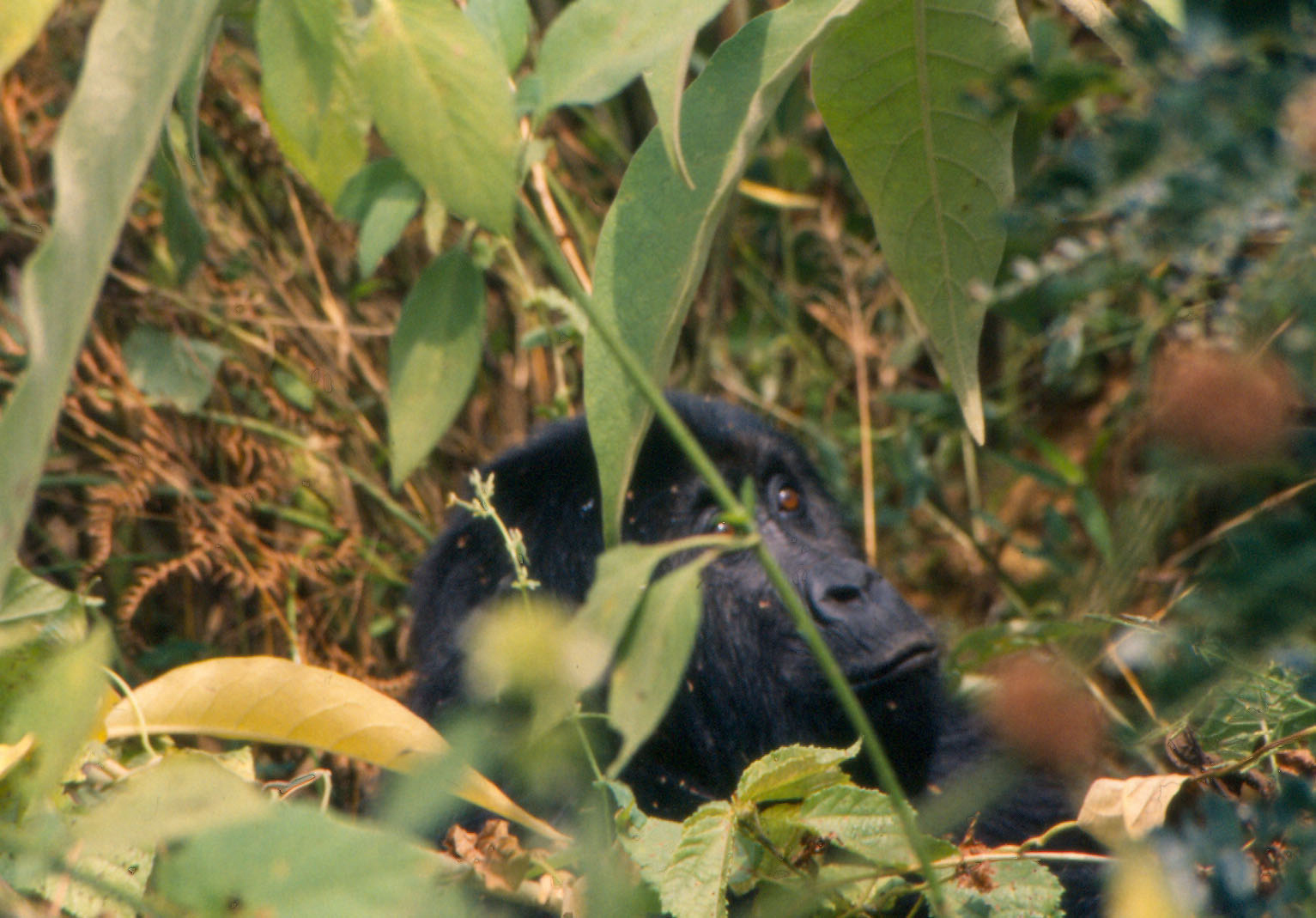
The Democratic Republic of Congo’s Institut Congolais pour la Conservation de la Nature manages Virunga National Park’s gorilla trekking program under its own regulatory framework, and trekkers researching this specific destination deserve an answer grounded in Congo’s own approach rather than assuming it mirrors Uganda or Rwanda’s policy precisely. How close can I get to the gorillas in the Democratic Republic of Congo deserves a specific, Congo-focused answer.
This guide covers Congo’s actual minimum viewing distance policy, how it’s genuinely managed at Virunga National Park, and what this means practically for your trek here specifically.
Why Congo’s Distance Policy Deserves Its Own Specific Answer
ICCN, Congo’s park authority, manages viewing distance policy for Virunga National Park under its own regulatory framework, sharing the same underlying conservation science as Uganda and Rwanda but worth understanding through Congo’s specific operational context.
The Short Answer: A Minimum of Seven Meters, Following Regional Standards
Congo’s minimum viewing distance genuinely follows the same broader regional standard of seven meters found across the Virunga massif, though like its neighbors, evolving guidance toward a possible ten-meter standard means confirming current specifics with a Congo-specialist operator matters.
Why Working With a Congo-Specialist Operator Matters for Distance Guidance
Given Congo’s generally less standardized, publicly available information compared to Uganda or Rwanda, a genuinely experienced Congo-specialist operator provides more current, accurate guidance on the exact distance standard currently being applied at Virunga specifically.
How Virunga’s Rangers Manage Distance Given the Park’s History
Virunga’s rangers, who’ve historically shown extraordinary dedication and personal risk protecting this specific park, bring genuinely deep expertise to managing distance and gorilla welfare during your trek, worth trusting their experienced judgment fully during your encounter.
Why Congo’s Terrain Affects Practical Distance Maintenance
Virunga’s volcanic slope terrain, sharing characteristics with Rwanda’s side of the same mountain range, genuinely offers similar sightline advantages to open terrain elsewhere in the Virunga massif, worth understanding this as a practical viewing benefit consistent with the broader regional pattern.
How Gorillas at Virunga Sometimes Approach Closer Than the Minimum
Like elsewhere in the region, Virunga’s habituated gorillas genuinely sometimes choose to approach trekkers closer than the maintained minimum, and the correct response remains identical – stay calm, remain still, and follow your ranger’s direction fully.
Why Congo’s Generally Smaller Trekking Groups Affect Distance Management
Given Congo’s generally lower visitor volume compared to Uganda or Rwanda, Virunga’s typically smaller trekking groups can sometimes make distance management somewhat more straightforward for rangers than larger, busier group settings elsewhere in the region.
What This Means for Your Actual Viewing Experience at Virunga
Even at the maintained minimum distance, Virunga’s gorillas remain genuinely visible in remarkable detail, worth understanding this destination delivers the same fundamentally intimate encounter found throughout the region despite Congo’s distinct broader travel context.
Why This Policy Reflects Cross-Border Conservation Coordination
Given that Virunga National Park shares its mountain range and, to some degree, its gorilla population with Rwanda’s Volcanoes National Park and Uganda’s Mgahinga, the fundamentally consistent distance policy across all three reflects genuine cross-border conservation coordination throughout this shared ecosystem.
Why Sick Trekkers Face the Same Restrictions at Virunga
Trekkers showing signs of illness face the same additional distance restrictions or trekking exclusion found throughout the region, reflecting the same underlying disease-transmission concern that transcends Congo’s specific national context.
Why This Understanding Helps You Compare Destinations Honestly
Trekkers weighing Congo against Uganda or Rwanda purely on distance policy alone are essentially comparing an identical underlying standard, meaning any genuine decision between destinations should rest on other factors – cost, logistics, terrain, personal risk tolerance – rather than assuming one country offers a meaningfully closer or more distant gorilla encounter.
What Rangers and Guides Say About Congo’s Distance Enforcement
Guides genuinely experienced with Congo specifically note that Virunga’s rangers, despite operating with historically fewer resources than Rwanda’s park authority, maintain the same fundamental commitment to gorilla welfare and appropriate distance management.
Why Border Crossing Logistics Don’t Change the Underlying Distance Policy
Despite the additional logistics of crossing from Rwanda to reach Virunga, the distance policy itself and its underlying reasoning remain genuinely unaffected by these border-crossing considerations, worth separating your understanding of the trip’s logistical complexity from the actual viewing rules you’ll follow once trekking begins.
How Congo’s Historically Lower Permit Price Relates to This Policy
Congo’s lower permit price relative to Rwanda partly reflects different risk and demand factors, worth understanding clearly that this pricing difference has no bearing on the distance policy or gorilla welfare standards themselves, which remain genuinely consistent regardless of cost.
What Trekkers Who’ve Visited Virunga Say About Their Experience
Trekkers who’ve successfully visited Virunga consistently describe an encounter every bit as intimate and meaningful as their Uganda or Rwanda experiences, worth taking this firsthand reassurance seriously if you’re weighing Congo against its neighboring destinations for your specific trip.
Why Flexibility Matters More for Congo’s Overall Trip Planning
Given Congo’s generally less predictable logistics compared to Rwanda’s more streamlined system, building genuine flexibility into your overall trip timing, separate from the distance policy itself, helps manage the broader trip experience even though the core trekking rules remain consistent.
How This Policy Connects to Virunga’s Broader Conservation Mission
Virunga National Park’s rangers, deeply committed to both anti-poaching efforts and gorilla welfare more broadly, apply the distance policy as one piece of a genuinely comprehensive conservation approach that extends well beyond just trekker-facing rules into the park’s daily protective operations.
Final Thoughts on Congo’s Viewing Distance Policy
Congo’s minimum viewing distance policy, applied at Virunga National Park by rangers with genuinely deep expertise and dedication to this specific park, delivers the same fundamentally intimate wildlife encounter found throughout the region – worth trusting this system fully during your trek here.
Why This Destination Rewards Trekkers Who Research Carefully Beforehand
Congo genuinely rewards trekkers who approach the destination with careful research and a specialist operator’s guidance, worth applying the same diligent preparation to understanding the distance policy specifically as you would to broader safety and logistics research for this particular destination.
How This Preparation Ultimately Shapes Your Overall Confidence
Trekkers who genuinely understand the distance policy, the reasoning behind it, and how it fits within Virunga’s broader conservation mission approach their actual encounter with real confidence rather than uncertainty, worth investing this small amount of preparation time before a trip that many trekkers describe as genuinely once-in-a-lifetime.
Frequently Asked Questions
What is Congo’s minimum viewing distance from gorillas?
Genuinely follows the broader regional seven-meter standard, though evolving guidance toward ten meters means confirming current specifics with your operator matters.
Does Congo’s distance policy differ from Uganda or Rwanda’s?
Not fundamentally – the underlying regional conservation science and standard are shared, though Congo’s operational context differs somewhat.
Should I use a Congo-specialist operator for distance guidance specifically?
Genuinely worth it – given less standardized public information, a specialist provides more current, accurate guidance on the actual applied standard.
Are Virunga’s rangers as experienced as those in Uganda or Rwanda?
Genuinely, yes – despite historically fewer resources, they bring deep dedication and expertise to gorilla welfare and distance management.
Does Virunga’s terrain offer similar sightlines to Rwanda’s side?
Yes, largely – sharing the same volcanic mountain range, Virunga offers similar open-terrain sightline advantages to Rwanda’s Volcanoes National Park.
What happens if a gorilla approaches closer than the minimum at Virunga?
Stay calm and follow your ranger’s direction – the same regional response applies consistently regardless of this specific park.
Does Congo’s lower visitor volume affect distance management?
Somewhat positively – smaller, quieter trekking groups can make distance management somewhat more straightforward for Virunga’s rangers.
Do sick trekkers face additional restrictions at Virunga too?
Yes – the same underlying regional disease-transmission concern applies consistently, not a Congo-specific variation on this policy.
Does this policy reflect coordination across the whole Virunga massif?
Genuinely, yes – the shared mountain range and, to some degree, shared gorilla population reflect real cross-border conservation coordination.
Should I expect the same intimate encounter as in Uganda or Rwanda?
Yes, fundamentally – Virunga delivers the same core intimate wildlife encounter despite Congo’s distinct broader travel and logistics context.
Does Congo’s lower permit price mean a lower distance standard?
No – the pricing difference reflects different risk and demand factors and has no bearing on the distance policy or welfare standards themselves.
Does the border crossing affect the distance policy itself?
No – the additional logistics of crossing from Rwanda genuinely don’t change the underlying distance policy or reasoning you’ll follow once trekking begins.
What do trekkers who’ve visited Virunga say about their experience?
Consistently that it’s every bit as intimate and meaningful as their Uganda or Rwanda experiences, worth taking this firsthand reassurance seriously.
Should I build extra flexibility into my Congo trip timing?
Yes, worth it – given generally less predictable logistics than Rwanda’s system, flexibility helps manage the broader trip even though core trekking rules stay consistent.
Plan the Rest of Your Trip
For the full cost picture, this Congo cost guide is worth reading, alongside this Virunga National Park fitness guide. For further planning, this guide on researching current safety conditions is a useful next read, and this Rwanda distance guide offers a useful comparison.