
How Gorilla Rangers Protect Bwindi: Behind the Scenes
How gorilla rangers protect Bwindi is a story most visitors only glimpse in passing, a friendly guide leading a morning trek, a pair of armed escorts standing quietly at the edge of the group, without realizing how much organized, year-round work sits behind that single hour with a habituated family. Bwindi Impenetrable National Park covers roughly 480 square kilometers of dense, mountainous rainforest along Uganda’s border with the Democratic Republic of Congo, and protecting it, and the mountain gorillas within it, is a continuous operation that runs whether or not a single tourist sets foot in the park on a given day.
Daily Patrols and Snare Removal
Uganda Wildlife Authority rangers patrol Bwindi’s boundaries and interior trails every day, on a schedule that has nothing to do with tourist visiting hours. A significant part of this work involves locating and disabling wire snares, set by poachers targeting antelope, bushpigs, and other small forest animals for bushmeat, that can maim or kill a gorilla that stumbles into one even when gorillas themselves are not the intended target. Ranger teams walk defined patrol routes specifically searching for these snares, and the sheer scale of the forest means this is genuinely difficult, physically demanding work carried out day after day regardless of weather or terrain. Removing a single snare before it catches an animal, gorilla or otherwise, represents a real, tangible outcome from what can otherwise sound like abstract conservation language.
Modern tools have supplemented this ground-level patrol work over the past decade. GPS mapping lets ranger teams coordinate patrol routes more systematically and track where snares have previously been found, radio communication keeps patrol units in contact with park headquarters and with the tracker teams locating gorilla families each morning, and camera traps positioned at strategic points across the forest help rangers monitor both wildlife movement and, at times, evidence of illegal human activity in remote areas that cannot be patrolled continuously.
Community Rangers and Former Poachers
One of the more genuinely striking aspects of how gorilla rangers protect Bwindi involves who some of those rangers actually are. Uganda Wildlife Authority and partner conservation organizations have worked for years to recruit community members, in some documented cases former poachers themselves, into ranger and informant roles. This is a deliberate strategy rather than an incidental hiring pattern: someone who once set snares or tracked animals illegally through the forest brings exactly the kind of terrain knowledge and understanding of poaching methods that makes them unusually effective at finding and preventing exactly that activity once employed on the other side of it. Community engagement programs also work to shift the broader economic incentives around the park, since a household that benefits from tourism revenue, employment, or conservation-linked development has considerably less reason to view poaching as a viable option in the first place.
Health Monitoring and Disease Prevention
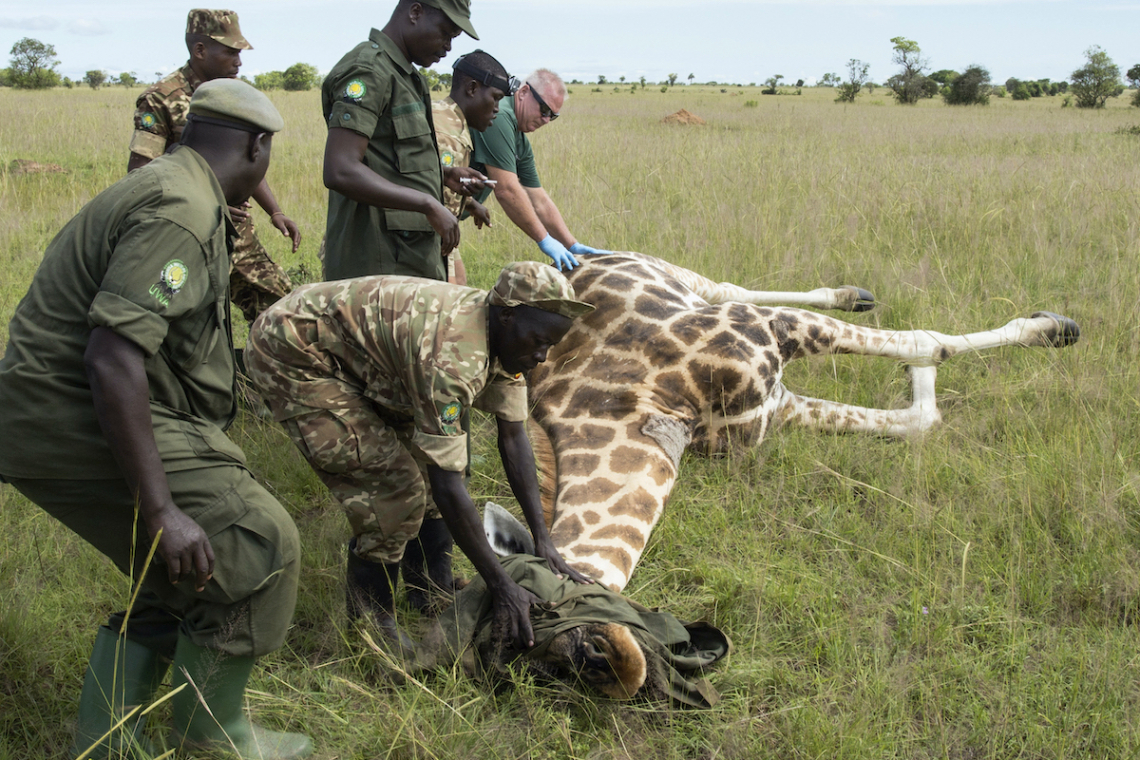
Protecting Bwindi’s gorillas extends well beyond physical security from poachers and snares into active health monitoring, a role that surprises many visitors who assume ranger work stops at anti-poaching patrol. Because mountain gorillas share roughly 98 percent of human DNA and are vulnerable to human respiratory illnesses, rangers and associated veterinary teams monitor habituated families for visible signs of illness or injury, sometimes intervening directly, tranquilizing and treating a gorilla caught in a snare, for instance, rather than simply removing the trap after the fact. This monitoring role is part of why rules like the one-hour viewing limit, the seven-meter minimum distance, and mandatory face masks during trekking exist and are enforced as strictly as they are; rangers are not simply managing a tourist experience, they are actively managing disease and injury risk to a population that cannot afford significant losses.
The Risks Rangers Actually Face
Ranger work in Bwindi is genuinely dangerous, a fact that rarely makes it into the polished version of the story visitors hear during a trek briefing. Patrols cover steep, densely forested terrain often far from roads or quick evacuation options, and rangers occasionally encounter armed poachers directly, confrontations that have led to serious injury and, across the broader history of African wildlife ranger work, fatalities. Rangers also face the same wildlife hazards as any forest traveler, forest buffalo and elephants can be genuinely dangerous when startled, venomous snakes are present, and the physical toll of daily uphill patrol work over years takes a real cumulative toll on the body. Understanding this helps explain why ranger guides carry themselves with the calm, practiced authority visitors notice on a trek; it is earned through genuinely demanding, sometimes hazardous work that most tourists never see the harder side of.
Training and Equipment
Uganda Wildlife Authority rangers undergo formal training covering wildlife law enforcement, first aid, navigation, and firearms handling for the armed rangers who accompany trekking groups specifically for security against forest animals like elephants and buffalo rather than the gorillas themselves. Ongoing training keeps rangers current on evolving poaching methods and conservation protocols, and specialized units receive additional training in evidence collection and prosecution support, since successfully removing a snare is only half the job if the person who set it is never identified or held accountable. This dual focus, prevention through daily patrol work and follow-through via genuine legal accountability, is part of what distinguishes a modern, professionalized ranger force from a purely reactive security presence. Equipment has improved steadily over the past two decades alongside this training, from basic radios to GPS units and, in some patrol areas, camera traps that extend rangers’ effective coverage well beyond what foot patrols alone could achieve.
The Results So Far
Uganda’s mountain gorilla population has grown substantially over the past two decades, from roughly 300 individuals in Bwindi in the early 2000s to more than 450 today, a trend conservationists directly attribute to sustained ranger patrol work, habitat protection, and community-based conservation programs working together rather than any single intervention alone. This growth places mountain gorillas among the very few great ape populations trending upward globally rather than declining, a genuinely rare conservation success story that stands in sharp contrast to the trajectory of most other great ape species, most of which continue to decline steadily under pressure from habitat loss, poaching, and disease across their ranges. None of this happened passively; it reflects decades of ranger patrols, snare removal, veterinary intervention, and community engagement work that continues, largely unseen by the trekkers who benefit from its results, every single day, in every season, regardless of how many, or how few, tourists happen to be visiting the park in a given month.
How Tourism Revenue Funds This Work
The connection between a visitor’s gorilla permit and the rangers protecting Bwindi is direct rather than abstract, even if it does not always feel that way while trekking. Permit revenue funds ranger salaries, equipment, patrol logistics, and the veterinary teams capable of treating an injured gorilla in the field. A meaningful share also flows into revenue-sharing programs with communities bordering the park, funding schools, clinics, and infrastructure in villages that might otherwise have stronger economic incentives to tolerate or participate in poaching. This funding model is part of why Uganda Wildlife Authority has consistently resisted pressure to significantly undercut its permit pricing relative to Rwanda, since permit revenue is not simply profit, it is the operating budget for the entire protection system described above, rangers, trackers, veterinary care, and community programs together.
Visitors sometimes ask whether trekking itself, with its associated human presence and disease risk, undermines the very protection efforts it funds. Conservationists broadly agree the trade-off has worked in the gorillas’ favor so far specifically because that revenue funds protection at a scale that would not otherwise exist, a population that grew from roughly 300 to over 450 individuals in Bwindi alone over two decades is difficult to argue against as evidence the model, imperfect as any real-world conservation program is, has been net positive. This is precisely why the strict health and behavior rules around trekking exist and continue to tighten rather than loosen over time, since the entire funding model depends on keeping that trade-off genuinely favorable rather than letting tourism revenue growth outpace the protective measures meant to offset its risks.
Understanding the System Behind Your Trek
Every gorilla permit fee helps fund this ongoing protection work, and understanding how gorilla rangers protect Bwindi adds real context to what can otherwise feel like an abstract conservation fee. Our page on gorilla safari conservation touring goes further into how visitors can engage directly with this side of the park, and our piece on gorilla population growth success stories covers the broader conservation trajectory in more depth. For a full breakdown of where permit fees actually go, our guide to the cost of a gorilla trekking permit in Uganda and Rwanda is worth reading alongside this one. Our page on gorilla safari permit policies is also worth a look if you want to understand more about how permit revenue and booking rules connect back to park operations. A well-paced three-day Bwindi gorilla trekking safari gives you the chance to see this protection work reflected directly in the health and behavior of the family you eventually trek to find, and a small mental note of thanks to the rangers you pass at the trailhead, doing work most visitors never fully see, is always well deserved.