
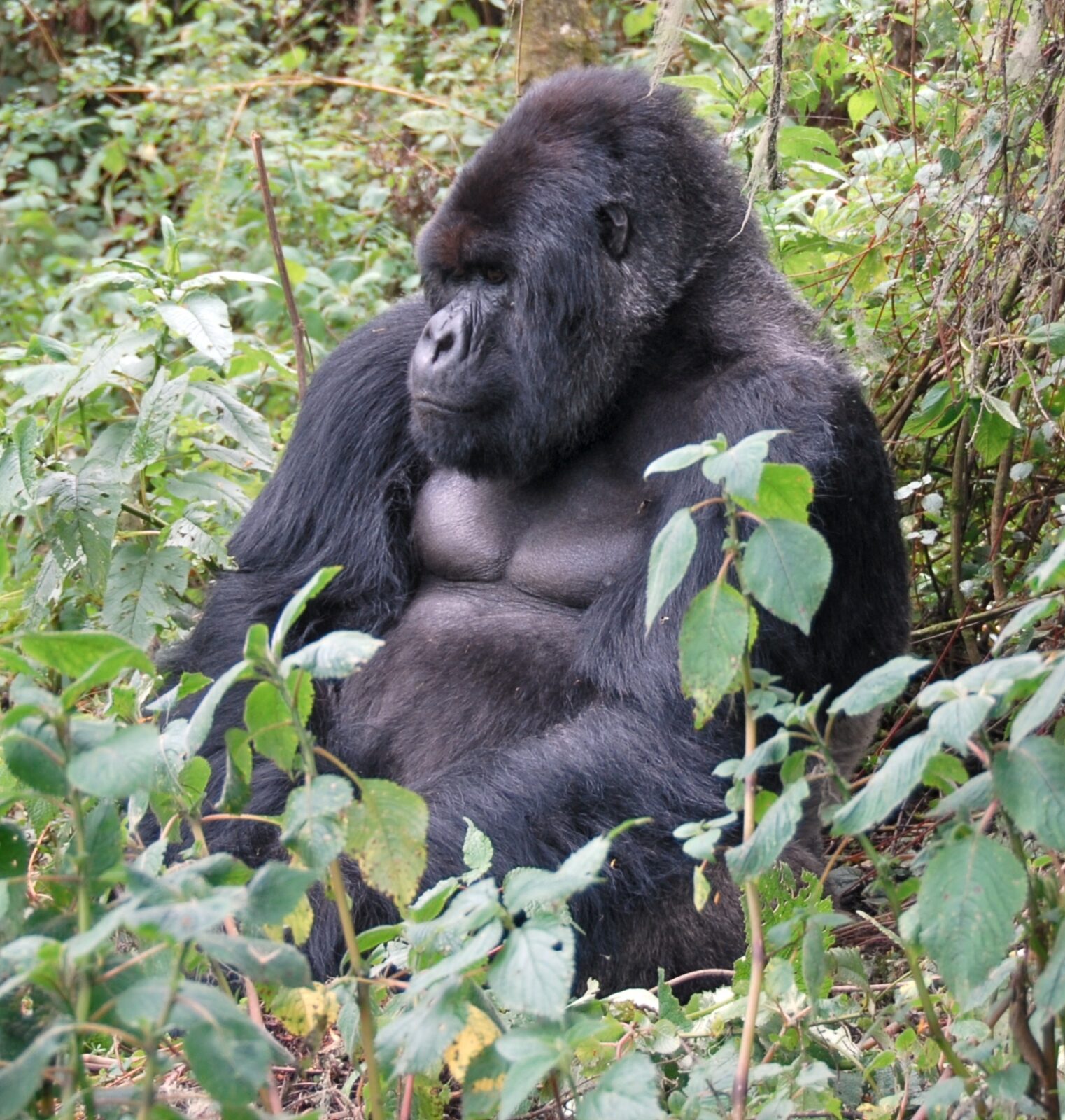
Gorilla trekking’s genuine intimacy – small groups, close encounters, quiet forest viewing – comes directly from deliberate group size limits set by park authorities specifically to protect the gorillas from stress and disease. How many people are allowed to see a gorilla family at once deserves a specific, clear answer grounded in the actual conservation reasoning behind this limit.
This guide covers the actual group size limit, why this specific number exists, and what it means practically for your trek-day experience.
Why Group Size Deserves Genuine Understanding, Not Just a Number
Understanding not just the group size limit but the genuine reasoning behind it helps trekkers appreciate why this rule exists and why it’s enforced consistently, rather than treating it as an arbitrary restriction on an otherwise unlimited experience.
The Short Answer: Eight Trekkers Per Gorilla Family, Per Day
Park authorities across Uganda, Rwanda, and Congo genuinely limit each habituated gorilla family to a maximum of eight trekkers per day, a number set deliberately based on genuine research into gorilla stress tolerance and disease transmission risk.
Why Eight Specifically, Rather Than a Larger or Smaller Number
This specific limit reflects a genuine balance between making trekking permits available to enough visitors to fund conservation efforts and keeping group size small enough to minimize genuine stress on the gorilla family and reduce disease transmission risk given their close genetic relationship to humans.
How This Limit Is Enforced in Practice
Permit allocation systems genuinely cap sales at eight per family per day, meaning once eight permits are sold for a specific family on a specific date, no further permits become available for that same group – worth understanding this as a hard operational limit, not just guidance.
Why This Limit Applies Per Family, Not Per Park
The eight-person limit applies specifically to each individual habituated gorilla family, meaning a park hosting multiple families – like Rushaga with several groups – can accommodate considerably more total trekkers per day across its various families, worth understanding this distinction clearly.
What This Means for Your Actual Viewing Experience
A maximum group of eight trekkers, plus your ranger guide and any trackers, genuinely creates an intimate viewing experience where you can actually see and photograph the gorillas clearly, rather than a crowded scene that would diminish both the conservation value and your personal experience.
Why the Habituation Experience Has a Different Group Limit
Uganda’s gorilla habituation experience, offered specifically at Rushaga, genuinely limits its groups to just four trekkers rather than the standard eight, reflecting the more sensitive nature of interacting with a semi-habituated rather than fully habituated family.
How Group Composition Actually Works on Trek Day
Your specific group of up to eight trekkers is typically assembled from various individual bookings rather than representing a single travel party, meaning you’ll likely trek alongside other travelers you haven’t previously met, worth setting this expectation before your trek day.
Why This Limit Genuinely Protects the Gorillas’ Wellbeing
Beyond disease transmission risk, keeping group size small genuinely reduces behavioral stress on the gorilla family from sustained close human presence, worth understanding as a genuine conservation measure rather than purely a scarcity-driven pricing mechanism.
What Happens if You Want a More Private Experience
Trekkers seeking a more exclusive experience can sometimes purchase all eight permits for a specific family through a private group booking, worth discussing this option with your operator if traveling with a larger private party interested in this level of exclusivity.
How This Limit Affects Permit Availability and Booking Timing
Given the genuinely fixed eight-person cap per family per day, popular dates and destinations can sell out well in advance, worth booking your permit early specifically because of this hard limit rather than assuming last-minute availability.
Why Rangers Enforce This Limit Strictly, Without Exception
Rangers genuinely enforce the eight-person limit consistently, without exception for individual circumstances, given how directly this rule connects to gorilla welfare and disease prevention – worth understanding this as non-negotiable regardless of your specific situation.
Why This Limit Reflects Broader Regional Conservation Standards
The eight-person limit isn’t unique to gorilla trekking specifically but reflects a broader regional pattern of deliberately limiting visitor contact with genuinely sensitive, endangered great ape populations, worth understanding as part of a consistent conservation philosophy applied across similar wildlife encounters in the region.
How Group Size Compares to Other Regional Wildlife Encounters
Compared to typical game drives, which can involve multiple vehicles and considerably more visitors observing the same animal simultaneously, gorilla trekking’s eight-person cap represents a genuinely more restrictive, deliberately curated approach specifically because of gorillas’ unique conservation status and disease vulnerability.
Why Trekkers Sometimes Misunderstand This Limit as a Marketing Tactic
Some trekkers initially assume the small group size exists primarily to create a sense of exclusivity for marketing purposes, when the genuine underlying reasoning is rooted in peer-reviewed conservation research about gorilla stress responses and disease transmission – worth correcting this common misconception with the actual facts.
What Happens When Demand Exceeds the Eight-Person Cap
When more than eight trekkers want to see a specific popular family on a specific date, the permit system genuinely allocates spots on a first-booked basis, meaning trekkers hoping for a specific family need to book genuinely early rather than assuming availability closer to their travel dates.
How This Limit Interacts With Multi-Family Sectors
Sectors hosting multiple habituated families, like Rushaga with several groups available, effectively multiply the total daily trekking capacity while still maintaining the same per-family welfare protection, worth understanding this as the system’s genuine solution to balancing accessibility with conservation.
Final Thoughts on Understanding Gorilla Trekking Group Size Limits
The eight-person group limit genuinely shapes what makes gorilla trekking such a distinctive, intimate wildlife experience – understanding the real conservation reasoning behind this number helps trekkers appreciate the rule rather than simply accepting it as an arbitrary restriction imposed without explanation.
Why This Rule Ultimately Benefits Trekkers as Much as Gorillas
Far from being purely a restriction, the eight-person limit genuinely benefits trekkers directly – a smaller group means better sightlines, quieter conditions that don’t disturb natural gorilla behavior, and a more personal, memorable encounter than a crowded viewing experience would ever allow, making this conservation measure a rare case where the rule serves both the wildlife and the visitor simultaneously.
Frequently Asked Questions
How many trekkers can see one gorilla family per day?
A maximum of eight trekkers per habituated gorilla family per day, a limit enforced consistently across Uganda, Rwanda, and Congo’s parks.
Does the eight-person limit apply per park or per family?
Per family specifically – a park with multiple habituated families can accommodate more total trekkers across its various groups each day.
Why is the habituation experience limited to fewer people?
Just four trekkers, reflecting the more sensitive nature of interacting with a semi-habituated rather than fully habituated gorilla family.
Can I book all eight permits for a private group experience?
Sometimes, yes – worth discussing this option with your operator if traveling with a larger private party interested in this exclusivity.
Will I trek with people from my own travel party or strangers?
Often a mix – your group is typically assembled from various individual bookings, so expect to trek alongside travelers you haven’t met before.
Is the eight-person limit ever relaxed for special circumstances?
No – rangers enforce this limit strictly and consistently, without exception, given its direct connection to gorilla welfare and disease prevention.
Why does this specific number exist rather than a larger group size?
It reflects genuine research into gorilla stress tolerance and disease transmission risk, balanced against making permits available to fund conservation.
Does this limit affect how early I should book my permit?
Yes, genuinely – given the fixed cap, popular dates and destinations can sell out well in advance, worth booking early rather than last-minute.
What happens if demand exceeds the eight-person cap for a specific family?
Permits are allocated on a first-booked basis, so trekkers hoping for a specific popular family need to book genuinely early.
Does a smaller group genuinely improve my viewing experience?
Yes – a maximum of eight trekkers creates an intimate experience where you can actually see and photograph gorillas clearly, not a crowded scene.
Is this limit purely about revenue, or genuinely about gorilla welfare?
Genuinely about welfare – reducing behavioral stress and disease risk from sustained close human presence, not purely a scarcity-pricing mechanism.
Is the eight-person limit unique to gorilla trekking?
It reflects a broader regional pattern of limiting contact with sensitive, endangered great apes, applied consistently across similar wildlife encounters.
How does this limit compare to typical game drive group sizes?
Considerably more restrictive – game drives can involve multiple vehicles and more visitors, while gorilla trekking’s cap is deliberately curated.
Do multi-family sectors like Rushaga effectively increase total capacity?
Yes, genuinely – multiple habituated families multiply total daily capacity while still maintaining the same per-family welfare protection.
Plan the Rest of Your Trip
For the full cost picture, this full cost breakdown is worth reading, alongside this gorilla habituation experience guide. For further planning, this step-by-step Uganda permit booking guide is a useful next read, and this Rushaga fitness guide covers the sector offering the habituation experience.