
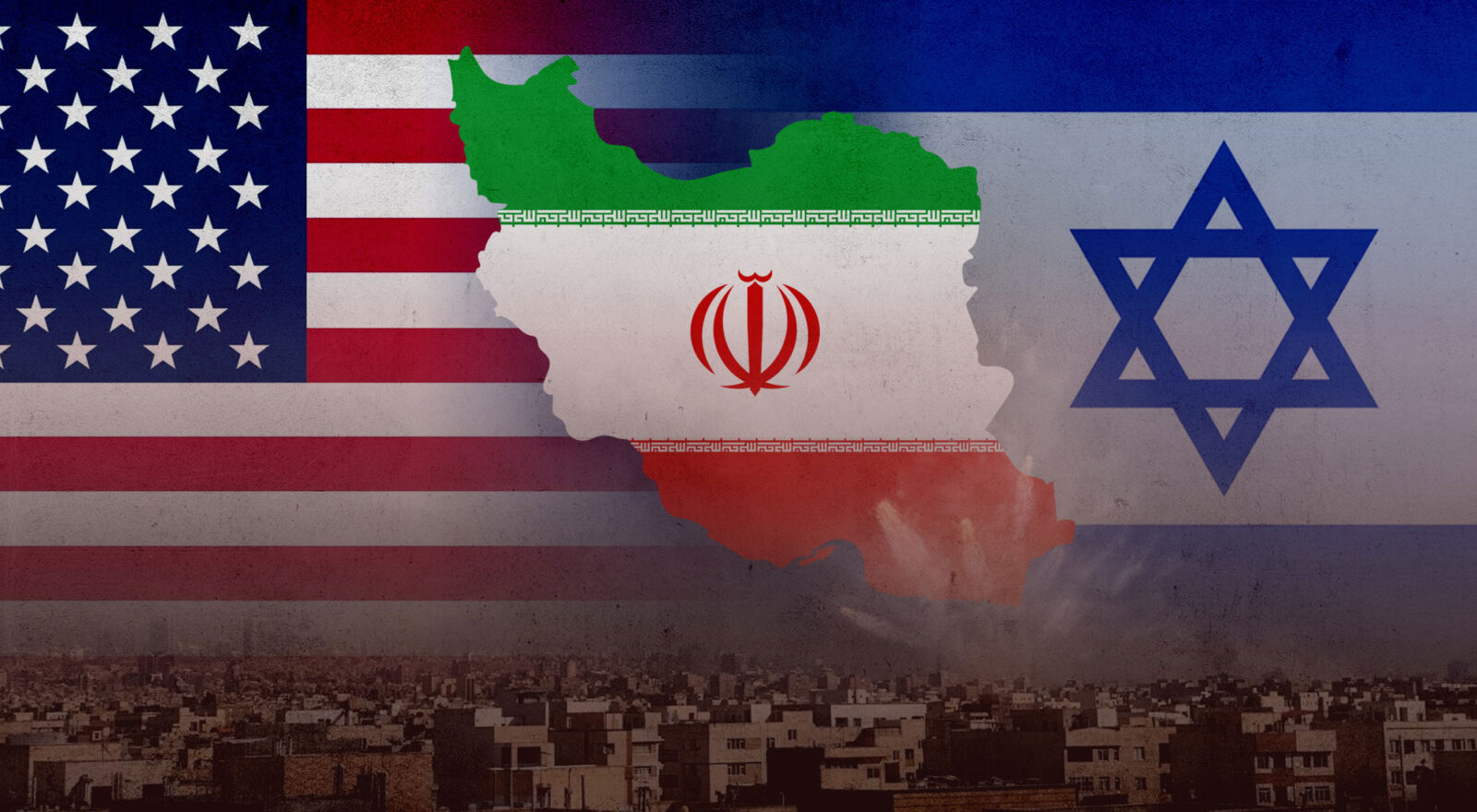
How the USA–Iran–Israel War Is Affecting Tourism in East Africa
Global conflicts rarely stay confined to one region, and the ongoing tensions involving the United States, Iran, and Israel are a clear example of how geopolitical instability can ripple across continents. Although East Africa is geographically distant from the Middle East, its tourism industry is deeply interconnected with global aviation networks, international economic systems, and long-haul travel markets.
East Africa’s safari sector depends heavily on international arrivals, particularly from Europe and North America. Countries such as Uganda, Kenya, Tanzania, and Rwanda rely on stable airline connectivity and traveler confidence to sustain wildlife tourism, gorilla trekking, and conservation-driven travel experiences.
While there is no direct military impact on East African soil, the indirect effects are being felt through airspace disruptions, rising fuel prices, shifting booking patterns, and cautious consumer behavior. For safari operators, lodge owners, and conservation stakeholders, these indirect shocks can be just as significant as localized crises.
Understanding the broader implications of this conflict is essential for travelers, tour operators, and tourism planners. This article examines how the USA–Iran–Israel war is influencing tourism in East Africa, focusing on aviation routes, safari logistics, economic pressures, traveler sentiment, and long-term industry resilience.
Air Travel Disruptions and East Africa’s Connectivity
Air connectivity is the backbone of East African tourism, and much of the region’s long-haul traffic routes through Middle Eastern hubs. Airlines such as Emirates and Qatar Airways connect major cities in North America and Europe to East African gateways like Entebbe and Nairobi. When conflict escalates in or around these transit regions, flight paths are rerouted, suspended, or delayed.
Rerouting aircraft increases travel time and operational costs, which ultimately affects ticket pricing. For tourists planning safaris months in advance, sudden fare increases or uncertainty in flight schedules may cause hesitation. Gorilla trekking permits, luxury safari lodges, and charter flights are often booked well in advance, meaning any disruption in international air travel creates a chain reaction throughout the booking cycle.
Long-haul safari tourism is particularly sensitive to reliability, and even minor instability in transit corridors can influence travel decisions. When airspace closures dominate international news, travelers may perceive higher travel risk, even if East Africa itself remains stable and secure.
Rising Fuel Prices and Safari Cost Implications
Global oil market volatility is one of the most immediate economic consequences of Middle Eastern conflict. As fuel prices rise, airlines adjust ticket pricing, and safari operators face higher operating costs for vehicles, boats, and domestic flights. East African safari experiences often involve extensive road transfers and game drives, making fuel a critical expense.
Luxury wildlife experiences are especially affected by cost inflation. High-end gorilla trekking in Rwanda or Uganda, private Big Five safaris in Kenya, and fly-in Serengeti circuits in Tanzania depend on predictable pricing structures. When international fuel costs surge, package prices must adjust accordingly, sometimes making East Africa appear more expensive compared to other global destinations.
For budget-conscious travelers, rising costs may lead to postponement rather than cancellation. This shift slows forward bookings and reduces occupancy rates in safari lodges, even if visitor numbers eventually recover.
Impact on Gorilla Trekking and Wildlife Tourism
Gorilla tourism represents one of East Africa’s most valuable conservation products. Trekking in protected areas such as Bwindi Impenetrable National Park and Volcanoes National Park attracts high-spending international visitors. These experiences rely almost entirely on long-haul travelers who require seamless intercontinental connections.
Wildlife safaris in iconic ecosystems remain operational and secure. Destinations like Serengeti National Park and Maasai Mara continue to offer world-class game viewing, but booking lead times have become more cautious in periods of global uncertainty.
Conservation funding is indirectly linked to international arrivals. Gorilla permits, park fees, and safari lodge revenues contribute to anti-poaching patrols, ranger salaries, and community development programs. Even a temporary dip in arrivals can affect revenue distribution models that support rural communities near national parks.
Traveler Psychology and Booking Patterns
Perception often influences tourism more than reality. When media coverage emphasizes war and airspace tensions, long-haul travelers may delay committing to complex itineraries. East Africa, though geographically removed from the conflict zone, is still part of the global travel ecosystem influenced by headlines and risk assessments.
Travel insurance considerations and flight stability now play a greater role in decision-making. Travelers planning multi-country itineraries that combine safari, beach, and gorilla trekking experiences may adopt a wait-and-see approach until aviation networks stabilize fully.
Corporate and group travel segments may also contract temporarily. Incentive travel, conferences, and organized tour groups often respond conservatively to geopolitical uncertainty, impacting safari circuits that depend on block bookings and advance reservations.
Economic Ripple Effects Across East Africa
Tourism is a major foreign exchange earner in East Africa, supporting employment in hospitality, guiding, transportation, and conservation. When international arrivals fluctuate, the effects extend beyond safari lodges into local supply chains, farmers, artisans, and transport providers.
Community-based tourism initiatives are particularly sensitive to visitor volumes. Revenue-sharing schemes linked to gorilla trekking and wildlife parks fund schools, clinics, and infrastructure projects in rural communities. Even short-term declines in arrivals can slow development progress in these areas.
Despite these pressures, regional tourism authorities continue promoting East Africa as safe and open. Governments emphasize that the conflict does not involve African territory and that national parks, airports, and tourism services remain fully operational.
Long-Term Outlook for East African Tourism
East Africa has demonstrated resilience through past global disruptions. From financial crises to pandemic shutdowns, the region’s wildlife tourism sector has historically rebounded once global stability returns. Its appeal lies in unique biodiversity, exclusive safari experiences, and conservation-led travel models that cannot be easily replicated elsewhere.
Diversification of airline routes may reduce overdependence on specific transit hubs. As airlines adjust networks, alternative European and African connections could strengthen direct access to East African capitals, increasing long-term resilience.
Demand for nature-based travel remains strong globally. As travelers prioritize meaningful experiences, sustainability, and wildlife encounters, East Africa is well positioned to regain growth momentum once geopolitical tensions ease.
Conclusion: A Logistical Impact, Not a Security Threat
The USA–Iran–Israel war has not directly affected security in East Africa, but it has influenced the region’s tourism through aviation disruption, fuel price volatility, and cautious traveler sentiment. Safari destinations across Uganda, Kenya, Tanzania, and Rwanda remain safe and fully operational.
The primary challenge lies in global connectivity and economic stability rather than local safety. For travelers planning gorilla trekking or wildlife safaris, East Africa continues to offer extraordinary biodiversity and world-class experiences.
As air travel stabilizes and geopolitical tensions subside, tourism in East Africa is expected to rebound strongly. The region’s conservation-driven model, iconic wildlife, and established safari infrastructure ensure that it remains one of the world’s premier adventure destinations despite temporary global turbulence.