
Uganda Birdwatching Safari: A 10-Day Itinerary for Birders
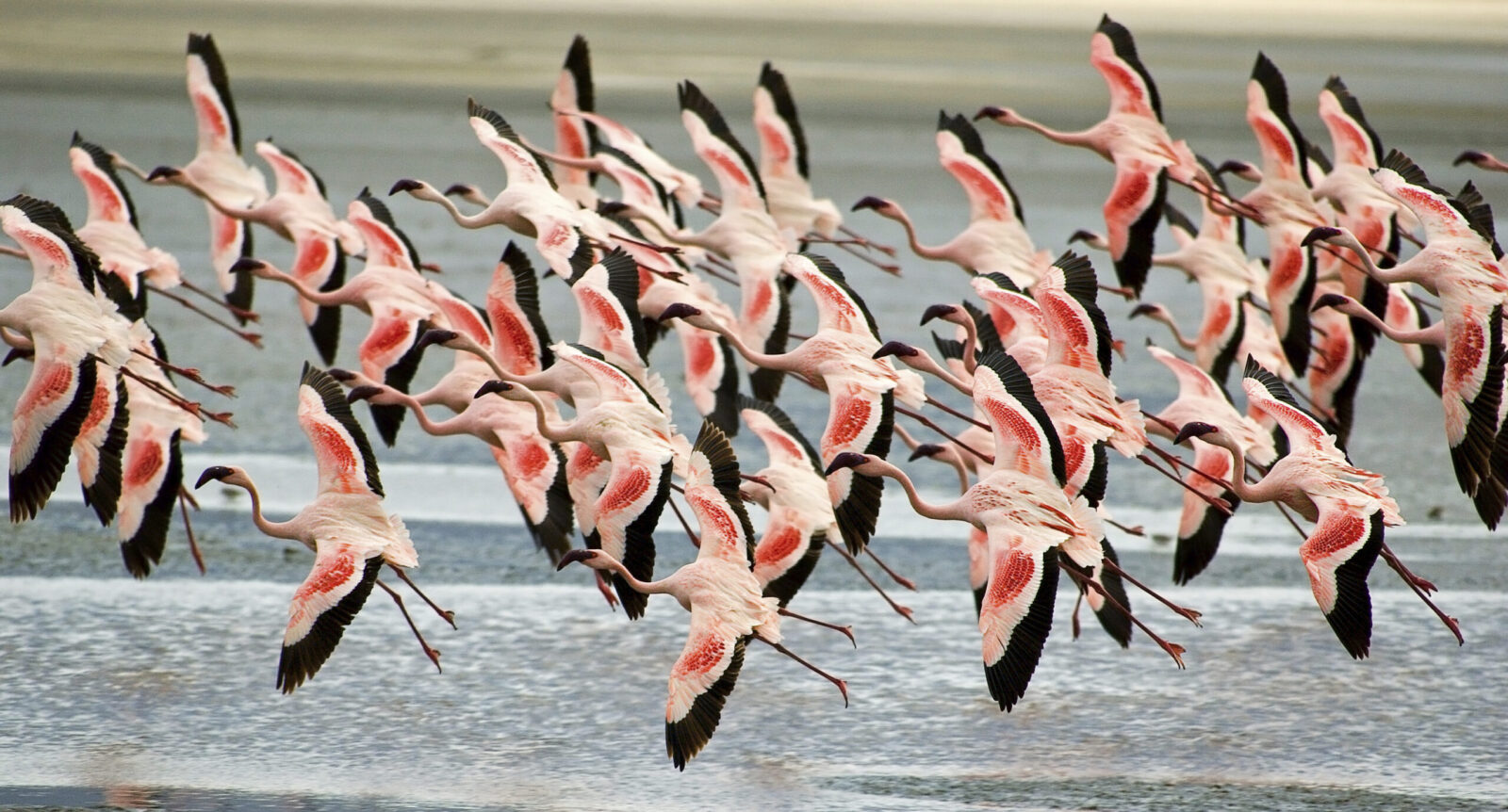
With more than 1,080 recorded bird species packed into a relatively compact country, Uganda holds one of the richest bird lists anywhere in Africa, a diversity that reflects the country’s unusual position at the crossroads of several distinct biomes, savannah, montane forest, Congo Basin lowland rainforest, and extensive wetland systems. Ten days is enough time to cover a genuinely representative cross-section of this diversity, including a strong showing of the region’s prized Albertine Rift endemics, without the exhausting pace that trying to cover the entire country in less time would demand.
Days One and Two: Mabamba Swamp and Entebbe
Most birding itineraries begin close to Entebbe, and Mabamba Swamp, a short boat ride from the airport area, delivers one of the trip’s most anticipated targets almost immediately. This wetland offers among the most reliable shoebill sightings anywhere in Uganda, with success rates reported well above ninety percent for groups spending a proper morning searching the papyrus channels. Beyond the shoebill itself, Mabamba supports a strong wetland bird community, adding a productive, high-value start to the itinerary before the group moves on toward western Uganda.
Days Three and Four: Kibale Forest and Bigodi Wetland
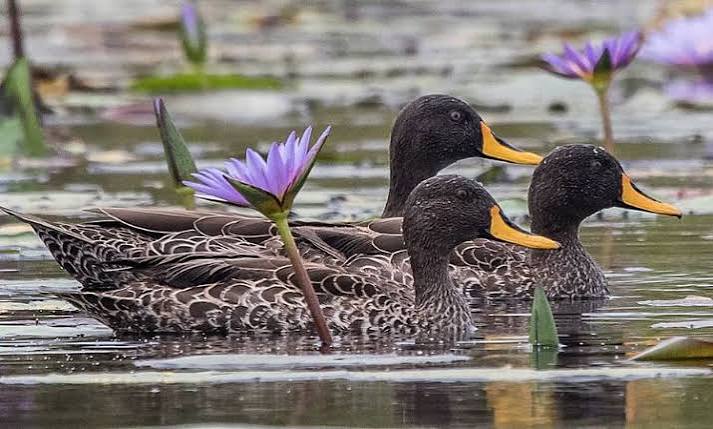
Kibale Forest National Park, better known internationally for chimpanzee tracking, holds its own significant birding credentials, with roughly 375 recorded species including several Albertine Rift endemics found within its forest interior. Adjacent to the park, Bigodi Wetland Sanctuary specialises in papyrus and swamp specialist species, including the White-winged Warbler and Papyrus Canary, birds that demand this specific wetland habitat and are consequently absent from Kibale’s drier forest sections.
Day Five: Queen Elizabeth National Park
Moving south to Queen Elizabeth National Park shifts the itinerary into savannah and wetland habitat, with the Kazinga Channel boat cruise delivering exceptional concentrations of waterbirds alongside the channel’s famous hippo and crocodile populations. Pelicans, storks, herons, and a wide range of kingfishers feature prominently here, and the channel’s open water and papyrus-fringed banks add yet another distinct habitat type to a trip already covering considerable ecological ground.
Days Six and Seven: Bwindi Impenetrable Forest
Bwindi represents the itinerary’s Albertine Rift centrepiece, holding roughly 350 recorded species including twenty-three Albertine Rift endemics, fourteen of which are not recorded anywhere else in Uganda. This concentration makes Bwindi the single most important stop on the trip for serious Albertine Rift listers, and two full days allow time to properly work the forest’s different trail systems and elevation bands where specific endemic species tend to concentrate. Travellers combining this birding focus with gorilla trekking should note that the two activities are entirely compatible within the same stay, given how differently each is scheduled across a typical Bwindi visit.
Days Eight and Nine: Semuliki National Park
The itinerary’s final major birding destination, Semuliki, delivers something genuinely different from everything preceding it, true Congo Basin lowland rainforest supporting Guinea-Congo forest biome species found nowhere else in Uganda. This concentration of range-restricted species makes Semuliki essential for birders aiming for a genuinely comprehensive Uganda list, since several species recorded here simply cannot be found at any of the trip’s earlier stops, regardless of how much time is spent searching.
Day Ten: Return to Entebbe
The final day covers the return journey to Entebbe, timed around departure flights, bringing a birding-focused circuit spanning wetland, savannah, montane forest, and Congo Basin rainforest habitats to a close.
What Makes This Route Work So Well for Birders
This itinerary is deliberately structured around habitat diversity rather than simply covering geographic distance, since Uganda’s exceptional species count stems directly from the sheer range of ecosystems packed into the country rather than any single location holding disproportionate diversity on its own. Moving methodically through wetland, tropical forest, savannah wetland, montane Albertine Rift forest, and Congo Basin lowland forest in sequence maximises the total species list achievable within ten days far more effectively than concentrating time in any single habitat type, however productive that single location might be in isolation.
Guides and Equipment
A specialist birding guide, rather than a general safari guide, makes a substantial difference to this kind of itinerary, given how much identification skill and specific site knowledge is required to track down some of Uganda’s more elusive endemic and range-restricted species. Quality binoculars are essential rather than optional equipment on a trip built specifically around birding, and a spotting scope, while not essential for every stop, adds real value at open wetland sites like Mabamba and the Kazinga Channel where distant waterbirds are common.
Best Time of Year for This Itinerary
Uganda’s equatorial position means birding remains rewarding throughout the year, though the presence of Palearctic migrants between roughly November and April adds an additional layer of species to an already rich resident bird community during those months. Breeding season timing varies by species and habitat, and birders with specific target species in mind should research seasonal timing for those particular birds when planning exact travel dates, since some species are considerably easier to locate during specific windows tied to their own breeding and movement patterns.
A Genuinely Rewarding Country for Serious Birders
Few countries in Africa pack this much habitat diversity and species richness into a landmass small enough to properly cover within a single ten-day trip, and Uganda’s combination of accessible infrastructure, knowledgeable specialist guides, and genuinely world-class sites like Mabamba, Bwindi, and Semuliki makes it one of the continent’s most rewarding birding destinations for travellers willing to structure their itinerary specifically around the country’s birdlife rather than treating birding as a secondary activity alongside a more conventional wildlife safari.
Accommodation Along a Birding-Focused Route
Most of the lodges and camps positioned near this itinerary’s key sites cater specifically to birders and wildlife enthusiasts, often employing staff with genuine birding knowledge who can supplement a dedicated guide’s expertise with local, site-specific tips about where particular species have been seen recently. Bwindi and Semuliki in particular offer accommodation options ranging from simple, comfortable lodges to more elevated properties, giving birding travellers flexibility to match accommodation standard to budget without sacrificing proximity to the specific trailheads and habitat access points that matter most for a trip built around species targeting.
Photography Considerations for a Birding Trip
Bird photography demands different equipment and technique than general wildlife photography, and travellers serious about capturing this itinerary’s highlights should consider a telephoto lens capable of reaching distant or small subjects, along with fast shutter speeds suited to capturing birds in flight or moving quickly through dense forest cover. Forest interior sites like Bwindi and Semuliki present particular lighting challenges given the dense canopy overhead, while open wetland sites like Mabamba and the Kazinga Channel offer more forgiving light and easier subject tracking for photographers still building their bird photography technique.
Building a Target Species List Before You Go
Birders serious about maximising this itinerary’s value benefit from researching and prioritising specific target species before arrival, particularly Albertine Rift endemics with narrow, specific habitat requirements that a general itinerary might otherwise miss. Sharing this target list with a specialist guide in advance allows the itinerary to be fine-tuned around specific priorities, whether that means extra time on a particular Bwindi trail known for a specific hard-to-find endemic or an adjusted schedule at Semuliki to maximise chances with a particular Congo Basin specialist species.
Combining Birding With Uganda’s Other Wildlife
While this itinerary is structured specifically around birding priorities, nearly every stop along the route also delivers strong general wildlife viewing as a natural byproduct, chimpanzees and monkeys in Kibale, savannah mammals and hippos at Queen Elizabeth, and the possibility of forest elephants and other large mammals at Semuliki. Birders travelling with non-birding companions will find this itinerary genuinely works for mixed groups, delivering enough general wildlife interest alongside the birding focus to keep everyone engaged throughout the full ten days.
For travellers building this itinerary around Semuliki’s exceptional Congo Basin birdlife and the wider Uganda birding circuit, this ten-day structure delivers one of the most complete, habitat-diverse birding itineraries available anywhere on the African continent.
Logistics and Getting Between Sites
This itinerary covers considerable ground, and most travellers arrange the route through a single operator handling transport between all five major stops, avoiding the complexity of coordinating separate transfers independently. Road conditions across most of the route are reasonably well maintained, though the more remote stretches near Semuliki in particular can involve longer, rougher driving sections, worth factoring into daily schedules to avoid arriving at a birding site too fatigued to make the most of prime early-morning activity windows, when many species are most active and vocal.
Final Preparation Checklist
Beyond binoculars and a field guide, a reliable notebook or digital checklist app for logging sightings proves genuinely useful across a ten-day trip spanning this many distinct sites and habitats, helping travellers keep track of a rapidly growing list without relying purely on memory. A basic understanding of bird calls specific to key target species, built through pre-trip listening and preparation, can also meaningfully improve the odds of locating especially shy or well-camouflaged forest species that are heard far more often than they are actually seen.