
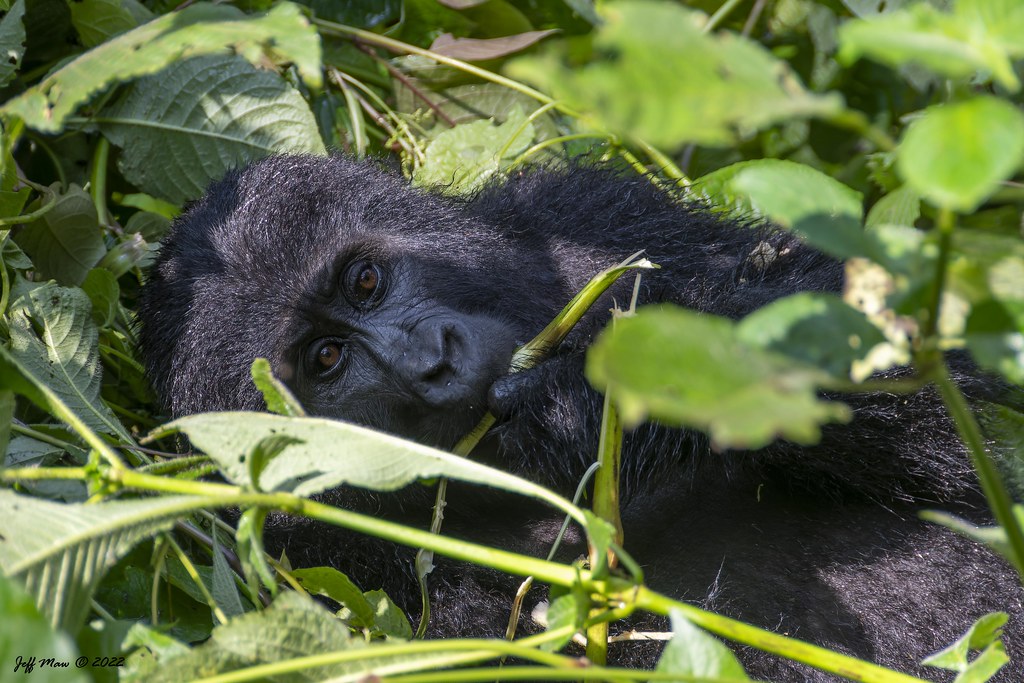
Understanding the Role of Rangers in Gorilla Protection
The role of rangers in gorilla protection is the backbone of successful mountain gorilla conservation in Africa. While policies, funding, and community programs are essential, it is rangers who work on the front lines every day to ensure gorillas remain safe in their natural habitats. Their dedication, training, and constant presence in protected areas have been instrumental in transforming gorillas from a critically endangered species into one with a steadily growing population.
Daily Patrols and Habitat Surveillance
One of the most important responsibilities of rangers is conducting daily patrols within gorilla habitats. In parks such as Bwindi Impenetrable National Park, Mgahinga Gorilla National Park, Volcanoes National Park, and Virunga National Park, rangers patrol dense forests to detect illegal activities and maintain security. These patrols help prevent poaching, illegal logging, charcoal burning, and encroachment, all of which threaten gorilla survival.
By maintaining a constant presence on the ground, rangers act as both deterrents and rapid responders, ensuring that threats are addressed before they escalate into serious harm to gorilla families.
Anti-Poaching and Snare Removal Efforts
Rangers play a critical role in anti-poaching operations and snare removal. Although gorillas are rarely targeted directly, wire snares set for other wildlife often cause severe injuries or death to gorillas. Rangers regularly locate and remove these traps during patrols, significantly reducing the risk of accidental injury.
When injured gorillas are discovered, rangers coordinate closely with veterinary teams to provide urgent medical intervention. Many gorillas alive today owe their survival to early detection by rangers working deep in the forest.
Monitoring Gorilla Families
Continuous monitoring of habituated and unhabituated gorilla families is another key ranger responsibility. Rangers track gorilla movements, group composition, births, and behavior patterns on a daily basis. This information helps conservation authorities understand population dynamics and respond quickly to changes that may indicate illness, injury, or external threats.
Monitoring also ensures that gorilla groups remain within safe zones and reduces the likelihood of human–gorilla conflict along park boundaries.
Managing Gorilla Tourism Responsibly
Rangers are essential to the safe and responsible management of gorilla trekking tourism. They guide visitors to gorilla families, enforce strict trekking rules, and ensure that viewing time limits and distance regulations are respected. This protects gorillas from stress, behavioral disturbance, and disease transmission.
Through professional visitor management, rangers help balance conservation needs with tourism revenue, ensuring that gorilla trekking remains sustainable and beneficial to long-term protection efforts.
Supporting Veterinary and Research Teams
Rangers act as the critical link between gorillas, veterinarians, and researchers. Their deep knowledge of forest terrain and gorilla behavior allows veterinary teams to reach injured or sick animals efficiently. Rangers also assist researchers by collecting field data that supports scientific studies on gorilla health, reproduction, and habitat use.
This collaboration strengthens evidence-based conservation strategies and improves long-term planning for gorilla protection.
Community Engagement and Conflict Prevention
Beyond the forest, rangers contribute to community conservation and conflict prevention. They work with local communities to reduce illegal activities, educate residents about conservation laws, and promote coexistence between people and wildlife. Rangers often respond to incidents where gorillas stray near community land, guiding them safely back into protected areas.
This role helps maintain positive relationships between parks and surrounding communities, which is essential for sustained conservation success.
Personal Risk and Dedication of Rangers
The work of gorilla rangers involves significant personal risk and sacrifice. Rangers operate in challenging terrain, face dangerous wildlife, and, in some regions, confront armed poachers or insecurity. Despite these risks, they remain committed to protecting gorillas and preserving biodiversity.
Their professionalism and courage are a defining factor in why gorilla populations continue to recover.
Rangers as the Guardians of Gorilla Survival
The role of rangers in gorilla protection cannot be overstated. From daily patrols and anti-poaching work to tourism management and community engagement, rangers are the guardians of gorilla survival. Their tireless efforts ensure that conservation policies translate into real protection on the ground.
As gorilla populations continue to grow, the success stands as a testament to the dedication of rangers who protect these endangered primates every single day. Supporting ranger programs is not only an investment in gorillas but also in the future of Africa’s natural heritage.