
What to Expect on a Safari in Africa and East Africa
Going on a safari in Africa is more than just a trip—it is an immersion into a world where nature reigns supreme and every day offers an encounter with some of the planet’s most iconic wildlife. From the sprawling savannahs of Kenya and Tanzania to the misty mountain forests of Uganda and Rwanda, Africa offers a range of safari experiences that are both exhilarating and unforgettable. A safari is an adventure that awakens all the senses: the sight of lions stalking prey, the sound of birds calling over vast plains, the scent of the earth after rain, and the feeling of connection with a landscape that has remained largely unchanged for centuries.
In this article, we explore what travelers can hope to see and experience on safaris in Africa and East Africa, covering wildlife, birdlife, scenic landscapes, seasonal events, cultural interactions, different safari types, and practical considerations. Whether you are a first-time safari-goer or a seasoned traveler, this guide will prepare you for the extraordinary experiences that await.
Spotting the Big Five and Other Iconic Mammals
The Big Five—lion, leopard, elephant, buffalo, and rhinoceros—are the ultimate safari highlights. Originally named by big-game hunters for being the most challenging animals to hunt, the Big Five are now the most sought-after animals for wildlife enthusiasts and photographers.
In East Africa, the Maasai Mara in Kenya and the Serengeti in Tanzania provide some of the best opportunities to see these majestic animals. Lions can be observed lounging in the shade, patrolling their territories, or hunting in coordinated groups, offering dramatic photographic opportunities. Leopards, though more elusive, can often be spotted resting in trees, scanning for prey below. Elephants, symbols of strength and intelligence, roam in family herds, teaching their young the ways of the wild. Buffaloes move in tight, protective herds, while rhinos—rare and critically endangered—can be seen in specialized reserves such as Ngorongoro Crater or Lake Nakuru National Park.
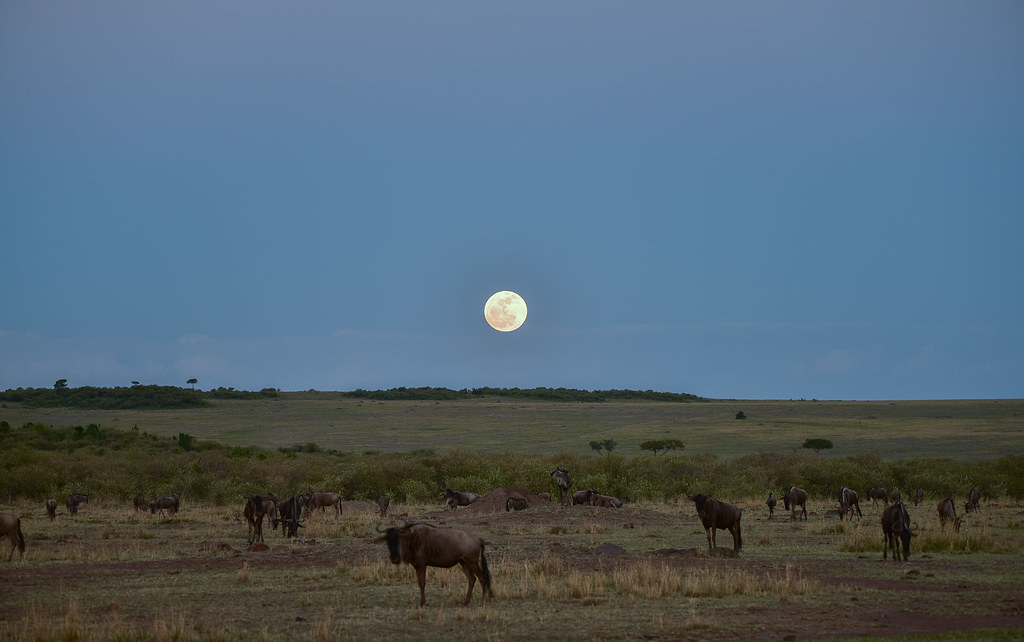
Beyond the Big Five, East Africa’s savannahs are teeming with life. Cheetahs sprint across open plains in breathtaking bursts of speed, giraffes stretch their long necks to feed on acacia leaves, zebras migrate in perfect formation, and wildebeest graze in seemingly endless herds. Hippos can be seen submerged in rivers or wallowing in mud to regulate their temperature, while warthogs and antelopes dart across the landscape in playful bursts. Every game drive reveals a new tableau of predator-prey interactions and animal behaviors, making each day on safari unique.
Uganda and Rwanda offer additional opportunities for mammal encounters in forested and mountainous environments. Mountain gorillas, endemic to these regions, provide some of the most profound wildlife experiences in the world. Trekking through the misty forests of Bwindi Impenetrable Forest or Mgahinga National Park allows travelers to witness gorilla families up close—their social interactions, playful infants, and gentle demeanor create unforgettable memories. Chimpanzees in Kibale Forest or Mahale Mountains are equally captivating, showcasing intelligence, communication, and social hierarchy in their natural habitats.
Birdlife and Other Unique Species
East Africa is one of the world’s richest regions for birdwatching. The combination of lakes, rivers, savannahs, wetlands, and forests supports an extraordinary variety of species. Visitors can spot brightly colored lilac-breasted rollers perched on branches, African fish eagles soaring overhead, and flocks of flamingos turning shallow lakes into vivid pink canvases. Shallow lakes such as Lake Naivasha in Kenya or Lake Bogoria provide excellent viewing platforms for birdlife, while wetlands and forests offer a more secluded and intimate experience.
Forest habitats host some of Africa’s rarest birds. In Uganda and Rwanda, the mist-covered mountain forests are home to species such as the African green broadbill, Rwenzori turaco, and the elusive shoebill stork. These birds are not only visually striking but also represent some of the continent’s most specialized ecosystems. Bird enthusiasts will find hours of enjoyment following their songs, plumage, and behaviors through dense forest trails or along tranquil lakeshores.
Primates are another highlight of East African wildlife. Besides mountain gorillas and chimpanzees, Uganda and Rwanda also host other primate species, including golden monkeys, colobus monkeys, and vervet monkeys. Observing primates in their natural environment provides a deeper understanding of their intelligence, communication skills, and social structures. The behavior of a silverback gorilla or a troop of chimpanzees interacting naturally can be as emotionally moving as any encounter with larger mammals.
Scenic Landscapes and Natural Wonders
A safari is as much about landscapes as it is about wildlife. The variety of East Africa’s landscapes is staggering. Vast savannahs stretch as far as the eye can see, interrupted by iconic acacia trees, rocky kopjes, and distant volcanoes. The snow-capped peak of Mount Kilimanjaro in Tanzania or Mount Kenya in Kenya provides a dramatic backdrop to wildlife viewing. Rivers meander through plains, creating natural watering holes where animals congregate. Crater lakes, such as those in the Ngorongoro Conservation Area, create unique ecosystems supporting both mammals and birds.
Forests and wetlands offer a contrasting experience. Misty, dense forests like Bwindi and Kibale in Uganda are rich with biodiversity, from towering trees to hidden streams, offering a different rhythm of exploration. Waterfalls, such as Sipi Falls in Uganda, and winding rivers add visual variety and serenity to safari journeys.
Sunrises and sunsets on the African plains are extraordinary. Early mornings reveal dew-covered grasslands, gentle mists, and the first movements of wildlife. Sunset transforms the landscape with golden light, casting silhouettes of giraffes, elephants, and acacia trees against a vivid sky. These moments provide both photographers and nature lovers with unforgettable experiences that go beyond simply spotting wildlife.
Seasonal Wildlife Spectacles
The timing of a safari greatly influences the experiences you can have. East Africa is known for dramatic seasonal events, including migrations, births, and predator-prey interactions.
The Great Migration, occurring between July and October, is one of the most remarkable wildlife events on Earth. Millions of wildebeest, zebras, and gazelles traverse the plains of the Serengeti and Maasai Mara in search of fresh grazing. Predators follow closely behind, leading to river crossings where crocodiles lie in wait. Witnessing this spectacle is a dramatic and unforgettable highlight of any safari.
The wet season brings its own wonders. From March to May, East Africa’s landscapes turn lush and green, attracting migratory birds and encouraging the birth of calves, lambs, and other young wildlife. Dry seasons, from June to October, concentrate animals around water sources, making wildlife easier to spot and photograph. Each season offers unique insights into Africa’s natural rhythms, predator-prey dynamics, and survival strategies.
Cultural and Local Encounters
Safari experiences often extend beyond wildlife, incorporating human culture. Visiting Maasai villages in Kenya, for example, provides insight into the customs, dress, and traditions of one of East Africa’s most iconic communities. Travelers can learn about Maasai cattle herding, traditional dances, and rituals that have endured for generations.
In Uganda, encounters with Batwa communities near Bwindi and Mgahinga National Parks allow visitors to understand the lives of forest-dwelling people who have coexisted with wildlife for centuries. These interactions enrich the safari experience, offering a deeper appreciation of how humans and nature interact in these landscapes.
Local guides are invaluable for cultural insight. Their knowledge of traditions, history, and folklore adds layers of meaning to wildlife encounters, helping travelers connect with the land, its animals, and its people.
Different Safari Types and Experiences
Game drives remain the most popular safari format. Conducted in specially designed 4×4 vehicles, they allow visitors to cover vast areas, tracking wildlife while benefiting from the expertise of professional guides. Early morning and late afternoon drives offer the best chances for spotting predators and observing wildlife behavior.
Walking safaris provide a more intimate experience. Accompanied by trained guides, travelers walk through savannahs, forests, or wetlands, learning about smaller fauna, tracks, and plants that are often overlooked from vehicles. This hands-on approach allows for a deeper connection to the environment.
Specialty safaris enhance the experience. Birdwatching safaris focus on avian diversity, photography safaris emphasize capturing wildlife in perfect light, and gorilla or chimpanzee trekking safaris offer close encounters with primates. Hot air balloon safaris in the Maasai Mara or Serengeti provide a bird’s-eye view of the landscape and herds, combining adventure with breathtaking scenery.
Luxury and lodge-based safaris often include private guides, exclusive access, and high-end accommodations, offering comfort while maintaining immersion in nature. Budget and mid-range safari options provide accessible ways to experience the same wildlife and landscapes, proving that safaris can suit a variety of traveler preferences.
Practical Considerations for a Successful Safari
Planning is key to maximizing safari experiences. Choosing the right park or region, timing the visit according to seasonal wildlife patterns, and selecting appropriate accommodations all impact what you will see and experience.
Health and safety are crucial. Vaccinations such as yellow fever are often required, and travel insurance is highly recommended. Proper clothing—lightweight, breathable fabrics, neutral colors, hats, and sturdy footwear—ensures comfort and minimizes disturbance to wildlife.
Photography and observation tips enhance the experience. Binoculars, telephoto lenses, and cameras with fast shutter speeds help capture fleeting moments. Maintaining patience and silence often results in the most rewarding wildlife encounters.
Sustainable and responsible tourism ensures that wildlife is protected for future generations. Respecting park rules, avoiding littering, and supporting community-based initiatives help preserve these ecosystems and promote ethical travel.
Regional Highlights of East African Safaris
Kenya: Known for the Maasai Mara, Amboseli, and Tsavo, Kenya offers classic savannah safaris, abundant Big Five sightings, and the Great Migration spectacle. Lakes such as Naivasha and Bogoria provide birdwatching opportunities, while Mount Kenya adds dramatic scenery.
Tanzania: The Serengeti and Ngorongoro Crater offer unmatched predator-prey interactions, vast wildlife concentrations, and diverse landscapes. Tarangire and Lake Manyara are home to elephants, tree-climbing lions, and flamingos, while the Great Migration reaches its climax in northern Serengeti plains.
Uganda: Bwindi and Mgahinga are premier destinations for gorilla trekking, while Kibale Forest offers chimpanzee tracking. Queen Elizabeth National Park and Murchison Falls provide classic safari drives with lions, elephants, hippos, and abundant birdlife.
Rwanda: Volcanoes National Park is famous for gorilla trekking, with gorilla families living in dense montane forests. Akagera National Park offers savannah game drives with elephants, lions, and giraffes, complementing Rwanda’s forested primate experiences.
Conclusion: A Transformative Adventure
A safari in Africa and East Africa is more than sightseeing—it is an immersive, transformative journey. From spotting the Big Five and rare primates to experiencing breathtaking landscapes, seasonal wildlife spectacles, and rich cultural encounters, every moment on safari is designed to leave a lasting impression.
Whether walking through misty forests, watching a pride of lions in the golden sunset, or flying over vast plains in a balloon, a safari connects travelers with the raw beauty of the natural world. It is an adventure that awakens curiosity, inspires awe, and creates memories that last a lifetime.
By carefully choosing your destination, season, and type of safari, you can experience the full depth of Africa’s wildlife, scenery, and cultural richness, making your safari not just a trip but a once-in-a-lifetime journey into the heart of the wild.