

East Africa
East Africa – Countries, Wildlife, Culture, Landscapes and Travel Experiences
Overview of East Africa
East Africa is one of the most captivating regions in the world, known for its extraordinary wildlife, dramatic landscapes, deep cultural heritage, and diverse tourism experiences. The region is commonly understood to include countries such as Uganda, Kenya, Tanzania, Rwanda, Burundi, South Sudan, and sometimes coastal and Horn nations like Ethiopia and Somalia depending on geographical definitions.
This region is globally recognized as the birthplace of the safari, home to iconic wildlife spectacles such as the Great Migration, mountain gorilla trekking, and some of Africa’s most famous national parks. However, East Africa is more than wildlife; it is a mosaic of cultures, ecosystems, languages, and histories that together create one of the richest travel destinations on Earth.
This comprehensive guide explores East Africa in depth, including detailed country profiles, landscapes, tourism opportunities, wildlife highlights, and cultural significance across the region.
Uganda – The Pearl of Africa
Uganda stands out as one of East Africa’s most biodiverse countries, often referred to as the Pearl of Africa due to its lush vegetation, fertile landscapes, and incredible wildlife diversity. Located along the equator, Uganda combines savannah plains, tropical forests, wetlands, lakes, and mountains within a relatively small geographical area.
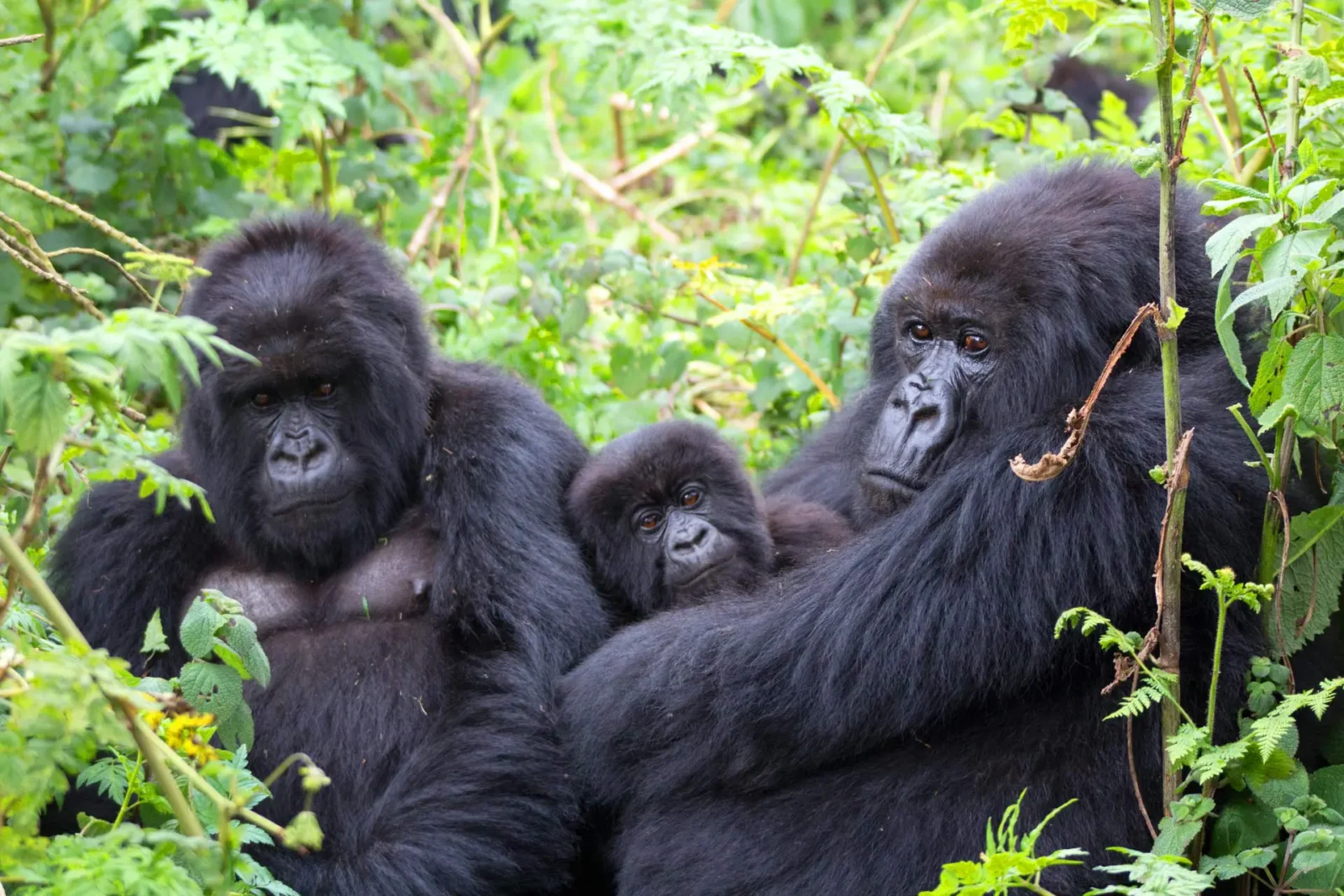
One of the country’s greatest attractions is Bwindi Impenetrable National Park, home to nearly half of the world’s remaining mountain gorillas. Visitors also explore Queen Elizabeth National Park, famous for tree-climbing lions and boat safaris along the Kazinga Channel, as well as Murchison Falls National Park, where the Nile River explodes through a narrow gorge creating dramatic waterfalls.
Uganda also offers chimpanzee tracking in Kibale Forest, hiking in the Rwenzori Mountains, and cultural encounters with diverse ethnic communities. Its relatively moderate tourism density compared to neighboring countries creates a more intimate safari experience.
Kenya – The Birthplace of Safari
Kenya is synonymous with classic African safaris, offering vast savannah ecosystems filled with wildlife and dramatic scenery. The country’s tourism industry is well developed, making it one of Africa’s most accessible safari destinations.
The world-famous Maasai Mara National Reserve hosts the Great Migration, where millions of wildebeest cross rivers filled with crocodiles in search of fresh grazing lands. Other major attractions include Amboseli National Park, known for large elephant herds with the backdrop of Mount Kilimanjaro, and Tsavo National Park, one of the largest protected wildlife areas in the world.
Kenya’s coastline along the Indian Ocean offers pristine beaches, coral reefs, and historic Swahili towns such as Mombasa. The country also features unique cultural experiences with the Maasai and Samburu communities.
Tanzania – Vast Wilderness and Natural Wonders
Tanzania offers some of Africa’s largest and most untouched wilderness areas, making it a dream destination for wildlife enthusiasts and adventure travelers. The country hosts iconic landscapes and extraordinary biodiversity across multiple ecosystems.
The legendary Serengeti National Park is central to the Great Migration ecosystem, while Ngorongoro Crater provides one of the highest densities of wildlife in Africa within a collapsed volcanic caldera.
Tanzania is also home to Africa’s highest mountain, Mount Kilimanjaro, attracting climbers worldwide. Coastal destinations such as Zanzibar combine tropical beaches with rich cultural heritage influenced by Arab and Swahili history.
Rwanda – The Land of a Thousand Hills
Rwanda is known for its scenic beauty, conservation success, and modern tourism infrastructure, making it one of Africa’s fastest-growing travel destinations. The country’s mountainous terrain creates breathtaking landscapes of rolling green hills and volcanic peaks.
The highlight of tourism is Volcanoes National Park, famous for mountain gorilla trekking and conservation research initiated by primatist Dian Fossey. Rwanda also offers chimpanzee tracking in Nyungwe Forest and wildlife safaris in Akagera National Park.
The capital city, Kigali, is widely regarded as one of Africa’s cleanest and safest cities, reflecting Rwanda’s rapid development and strong governance.
Burundi – Hidden Cultural and Natural Gems
Burundi remains one of East Africa’s least explored destinations, offering authentic cultural experiences and scenic landscapes for adventurous travelers. Despite its small size, the country features rolling hills, lakeshores, and national parks with unique biodiversity.
Lake Tanganyika dominates Burundi’s western border, providing fishing communities, beaches, and birdlife habitats. Cultural traditions, including drumming performances and royal heritage, play an important role in Burundi’s identity.
While tourism infrastructure is still developing, Burundi holds potential for future eco-tourism growth.
South Sudan – Emerging Wilderness Frontier
South Sudan represents one of Africa’s newest and least explored nations, offering vast wilderness areas and remarkable wildlife migrations that remain largely undocumented. The country gained independence in 2011 and continues to develop its infrastructure and tourism sector.
Wildlife migrations in areas such as Boma National Park rival those of the Serengeti in scale, though political and logistical challenges currently limit tourism accessibility. As stability improves, South Sudan could become an important frontier for conservation tourism.
Ethiopia – Ancient Civilization and Highlands
Ethiopia is often included in broader East African discussions due to geographic proximity and cultural influence, though it has its own unique identity shaped by ancient civilizations and highland landscapes.
The country is famous for historical sites such as Lalibela’s rock-hewn churches and the Simien Mountains, which host rare wildlife including gelada monkeys and Ethiopian wolves. Ethiopia’s cultural diversity, cuisine, and traditions differ significantly from other East African nations, adding to the region’s richness.
Somalia – Coastal Heritage and Cultural Depth
Somalia occupies the Horn of Africa, with one of the longest coastlines on the continent along the Indian Ocean. Historically, Somalia was a major trading hub connecting Africa, the Middle East, and Asia.
Despite political challenges that have limited tourism, Somalia possesses significant cultural heritage, ancient ports, and marine resources that may support future tourism development.
Wildlife and Biodiversity Across East Africa
The ecological diversity across East Africa is extraordinary, ranging from savannah plains and wetlands to montane forests and deserts. The region supports iconic species such as lions, elephants, giraffes, rhinos, cheetahs, and primates, including endangered mountain gorillas.
National parks and reserves across multiple countries form interconnected ecosystems that allow wildlife migration and genetic diversity. Conservation initiatives across East Africa have contributed significantly to protecting endangered species and habitats.
Cultural Diversity and Traditions
East Africa is home to hundreds of ethnic groups and languages, creating a vibrant cultural landscape shaped by migration, trade, and historical interactions. Pastoral communities, agricultural societies, and fishing cultures coexist across the region.
Traditional music, dance, storytelling, crafts, and ceremonies remain central to community identity. Cultural tourism provides opportunities for visitors to engage with local traditions while supporting economic development.
 Tourism Experiences in East Africa
Tourism opportunities across East Africa are incredibly diverse, ranging from wildlife safaris and gorilla trekking to mountain climbing, beach holidays, cultural tours, and adventure sports.
Travelers can combine multiple countries in one itinerary, experiencing savannah wildlife in Kenya and Tanzania, primate encounters in Uganda and Rwanda, and coastal relaxation along the Indian Ocean.
Luxury lodges, eco-lodges, and budget accommodations cater to different travel styles, making East Africa accessible to a wide range of visitors.
Conservation and Sustainable Tourism
Conservation plays a critical role in East Africa’s global importance, with tourism revenue supporting national parks, wildlife protection, and community development. Programs focused on anti-poaching, habitat preservation, and community engagement help ensure long-term sustainability.
Gorilla conservation success in Uganda and Rwanda demonstrates how tourism can directly contribute to species recovery and local livelihoods.
East Africa remains one of the world’s most remarkable regions, offering unmatched wildlife encounters, stunning landscapes, deep cultural heritage, and meaningful travel experiences. Each country contributes unique characteristics that together create a diverse and unforgettable destination for travelers.
From the gorilla forests of Uganda and Rwanda to the savannah plains of Kenya and Tanzania, and from the ancient cultures of Ethiopia to the emerging frontiers of South Sudan, East Africa continues to inspire exploration and discovery.
Its combination of natural beauty, biodiversity, and cultural richness ensures that East Africa will remain one of the most sought-after travel destinations for generations to come.